

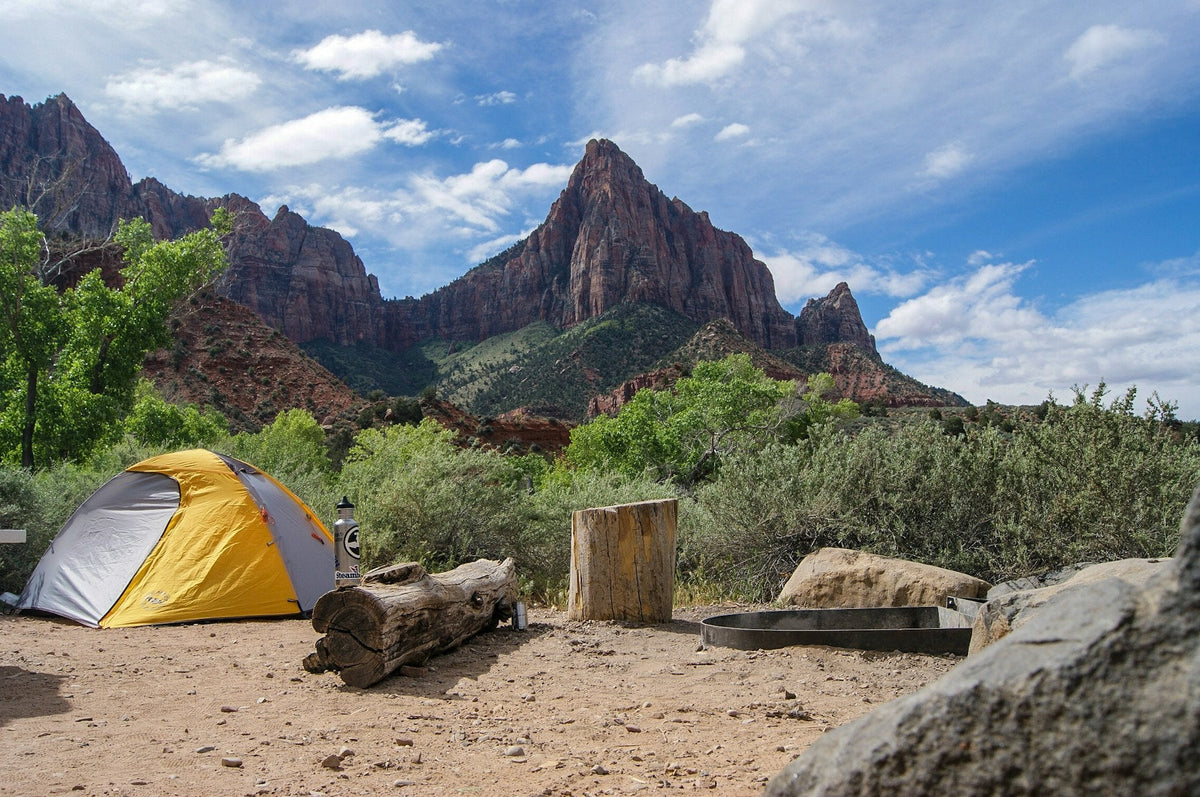
The tent buying process has gotten more confusing, not less. There are hundreds of options across dozens of online retailers, a spectrum of prices that runs from under $50 to well over $1,000, and enough marketing language—"bomber," "bomber construction," "expedition-grade"—to make any reasonable person give up and just sleep in their car. This guide is meant to cut through the noise.
We're not a sponsored media outlet. We're Camping Store Deals—a store that sells camping gear at prices lower than our competitors and stands behind what we carry. When we talk about tent categories and what to look for, it's because we actually use this equipment. That perspective changes the recommendations.
How to Choose a Camping Tent: The Variables That Actually Matter
Sleeping Capacity (and How to Read It)
Tent manufacturers rate capacity optimistically. A "four-person" tent typically fits four people lying flat with no gear inside. Real-world use of a four-person tent is two to three people with their gear. If you're shopping for a solo trip, a two-person tent gives you room to sleep plus store your pack. For couples, a three-person works well. For families of four, look at five- or six-person tents. This single adjustment will prevent most first-time tent buyers from making an expensive mistake.
Three-Season vs. Four-Season
A three-season tent handles spring, summer, and fall camping in most of North America. That means temperatures above freezing, rain, and moderate wind. The vast majority of campers need a three-season tent and nothing more. Four-season tents are heavier, more expensive, and built for conditions involving significant snow loads, high winds, and sustained below-freezing temperatures. Unless you're winter camping deliberately and regularly, three-season is the right call.
Freestanding vs. Non-Freestanding
A freestanding tent stands on its own with its poles and doesn't require stakes to hold its shape. This means you can set it up on rocky ground, move it after setup, and shake debris out by lifting it. Non-freestanding tents require stakes and tension lines to hold their shape—they're lighter but more setup-dependent. For first-time and casual campers, freestanding is strongly recommended.
Rain Fly Coverage
A full-coverage rain fly that reaches close to the ground is not optional in wet conditions. Partial fly designs that leave mesh walls exposed might offer better stargazing but actively fail in rain. Check fly coverage before purchasing any tent. Seam taping—where the factory has sealed the stitching with waterproof tape—is what separates tents that stay dry from tents that develop slow leaks by morning.
Best Camping Tent Categories in 2026
Best Budget Two-Person Tent (Under $120)
For two people on a budget, a freestanding dome tent with a full rain fly, two doors (one per side—this matters for not climbing over your partner at night), and color-coded poles for easier setup hits every reasonable requirement. Setup time of under fifteen minutes in the field is achievable with color-coded poles and a little practice. We carry options in this range that have been used by our team across multiple seasons without failure.
What to look for: pole diameter of 8.5mm or higher, YKK zippers or comparable quality, bathtub-style floor (where the waterproof material wraps up the sides a few inches), and packed weight under eight pounds for car camping use.
Best Family Camping Tent (Four to Six People)
Family tents are a different category. They prioritize livable space over weight and packability. The best family tent designs offer a center height where adults can stand (6 feet or more), divided interior spaces if you have kids who need separate sleeping areas, multiple doors, and a large enough vestibule for wet gear storage outside the sleeping area. Cabin-style tent designs with near-vertical walls maximize usable floor space and make a real difference for multi-day trips.
Look for a footprint (tent floor) that's been reinforced, because family tents take more abuse. Storage pockets inside the tent multiply in value when you're camping with kids. A tent that takes two adults twenty minutes to set up is fine. One that takes one adult forty-five minutes of frustration is not.
Best Backpacking Tent (Under Three Pounds)
Once you're carrying your shelter on your back, weight becomes the primary variable. A two-person backpacking tent under three pounds total (tent body, fly, and poles) is achievable at non-luxury prices in 2026. The tradeoffs are livable space and setup complexity. A well-designed ultralight tent uses thinner fabrics, lightweight pole materials, and a more complex stake-and-tension system. Learn the setup before the trip—there's no room for confusion on a trail at sunset.
For most backpackers, a semi-freestanding design that uses two stakes at one end and poles at the other represents a good balance of weight savings and setup ease. We carry options in this category that genuine backpackers use on multi-day trips.
Best Car Camping Tent for One Person
The solo camping market has grown significantly. More people are weekend car camping alone—for work trips, personal trips, or just the freedom of going wherever with no coordination. A one-person tent that frees you from sleeping in your car needs to be easy to pitch, provide genuine weather protection, and pack into a bag that doesn't take up your entire trunk. We carry designs that meet this standard and have been through both rain and wind in real conditions.
What We Actually Care About When We Evaluate Tents
We don't run our gear through laboratory simulations. We use it at campsites, in varied weather, across multiple seasons. The questions we ask when evaluating a tent are the ones that come up in real camping: Can one person set this up alone without reading the instructions twice? Does the rain fly actually keep the interior dry when rain comes sideways? Do the zippers work smoothly after the tent has gotten wet and been repacked a few times? Is there enough ventilation to prevent significant condensation on calm, cold nights?
These are harder questions to answer than measuring waterproof ratings in millimeters. But they're the questions that matter when you're at a campsite at 7 PM in light rain wondering if tonight's going to be comfortable or a test of character.
The Camping Store Deals Tent Buying Recommendation
Buy for the trips you're planning in the next year, not for the theoretical expedition five years from now. If you're car camping at designated campgrounds in moderate weather, you need a solid three-season freestanding tent in the right size for your group—and you don't need to spend more than $150 to get one. If you find yourself doing that for two or three seasons and wanting more, then you'll know specifically what you'd upgrade and why.
Our inventory covers the full range: budget options that outperform their price point, mid-range family designs that handle real use by real families, and backpacking shelters that don't require a second mortgage. Every tent we carry comes with our lowest-price guarantee—meaning if you find it cheaper elsewhere, we want to know about it. Start there, get outside, and figure out the rest from experience.
Pro tip: go deeper with these related guides: How to Set Up a Tarp Shelter While Camping, Best Mountaineering Tents for Extreme Weather, Roof-Top Tents, Best Shade Shelters for Sunny Campsites, Bivy Sack vs Tent.


 Tents & Shelter
 Sleep Systems
 Packs & Hiking
 Camp Kitchen
 Light & Power
 Survival & Skills
 Camping 101
 Fishing