

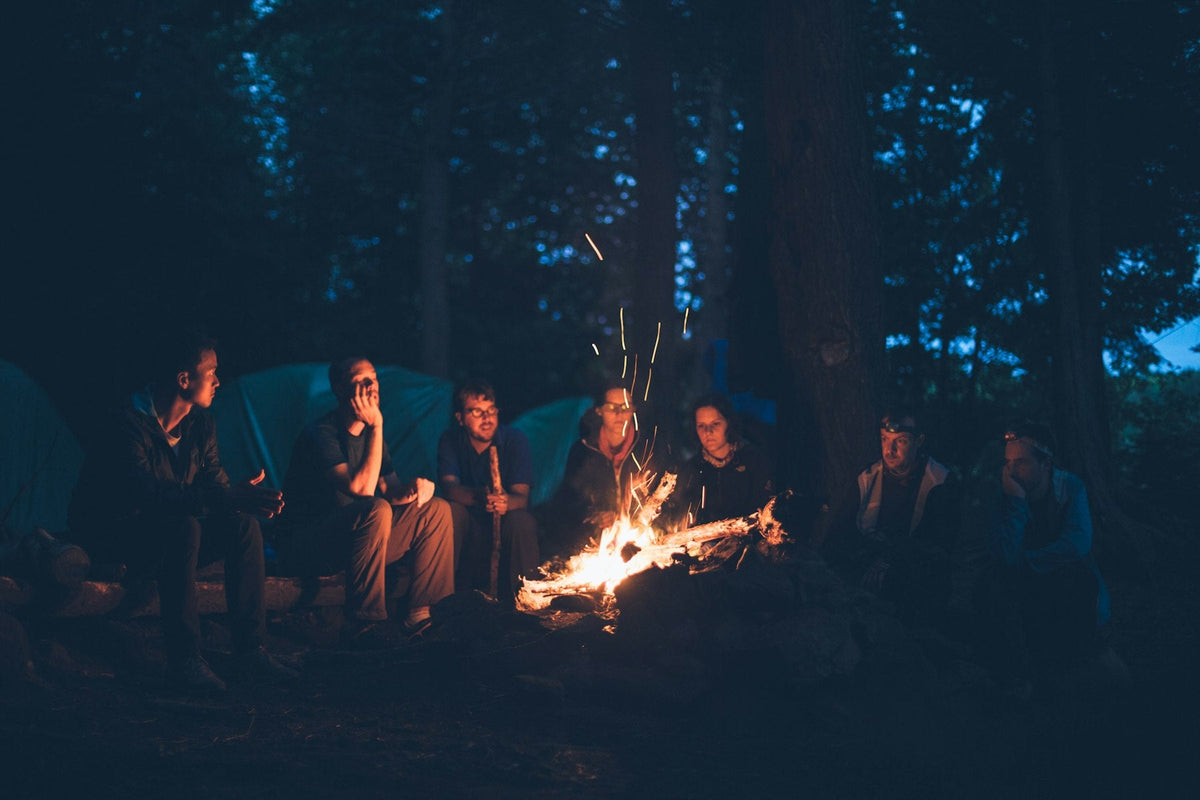
Family camping done right is one of the best things you can give children. Not the version where everyone's miserable and wet and the tent flooded and the hamburgers burned and someone cried for two hours because they forgot their tablet. The version where the kids are so tired from hiking and swimming and roasting marshmallows that they fall asleep by 8:30, and you and your partner sit by the fire in the quiet and feel genuinely good about things. That version is achievable. It just requires the right gear and the right planning.
At Camping Store Deals, we've helped a lot of families get their first camping trips right. The gear matters—not because you need expensive gear, but because the right gear removes the sources of frustration that turn camping with kids from an adventure into an ordeal. This guide covers what actually matters for family camping, what you don't need to spend on, and where Camping Store Deals can save you money without cutting corners.
The Family Camping Mindset Shift
Before the gear list: a mindset note. Family camping with young children is not backpacking. It is not car camping with adults. It is its own category of activity that runs at a different pace and has different success metrics. A successful family camping trip means everyone had moments of genuine fun, no one got hurt, and you're open to doing it again. That's it. You don't need to hike ten miles. You don't need to cook elaborate meals. You don't need to be perfectly organized. Lower the bar to "everyone had good moments" and nearly every trip succeeds.
The Family Camping Tent: Size Up More Than You Think
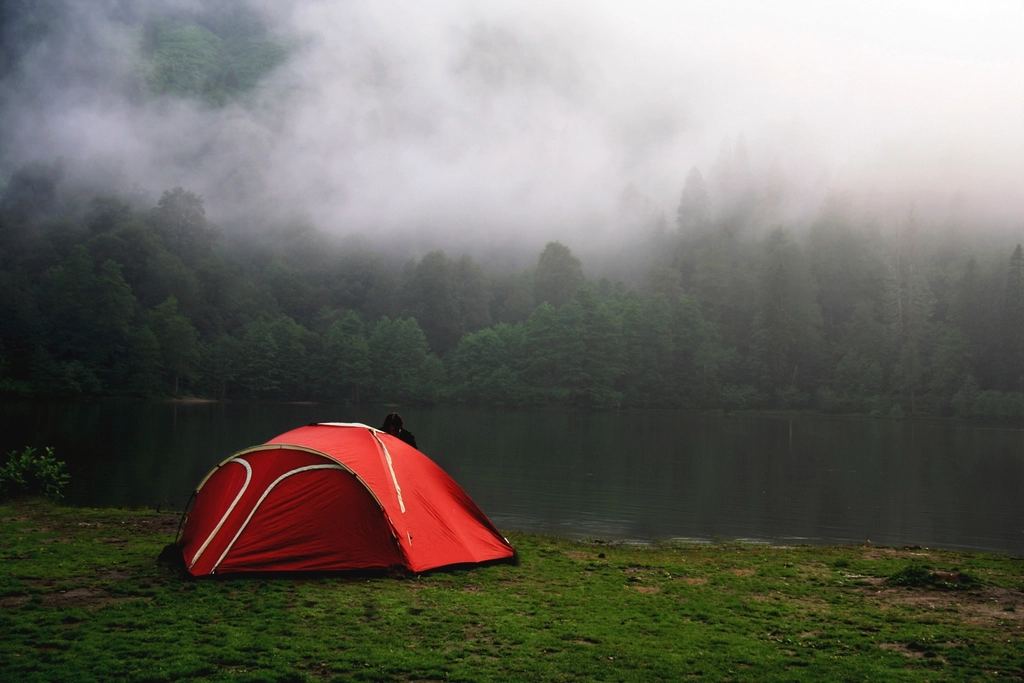
A family of four needs at minimum a six-person tent for car camping. An eight-person cabin tent is not excessive. Here's why: children in tents at night are chaos. They thrash. They nest. They drag stuffed animals and snack bags and wet swimsuits into the sleeping area. They need space around their sleeping pad or they'll end up half on yours. A tent that feels like plenty of space during the day feels like a crowded submarine at 2 AM.
For family tents specifically, look for: a center height where adults can stand upright (this matters for getting children dressed and for sanity during unexpected rain days), multiple doors so parents can exit without crawling over children, a divider or second sleeping area for older kids who want independence, and a vestibule for wet gear and shoes. Camping Store Deals carries family cabin tents in five- to eight-person sizes at prices that don't require agonizing over the purchase.
Sleep Systems for Children
Kids' Sleeping Bags
Children need sleeping bags sized for their actual height. An adult-size bag is not a deal on a sleeping bag—it's a tent inside a tent that your child will disappear into and spend the night fighting. Properly sized youth sleeping bags are available for under $35 at Camping Store Deals, rated for three-season temperatures, with zippers children can operate themselves. Buy one bag per child, sized for their current height. Do not buy "room to grow."
Sleeping Pads for Kids
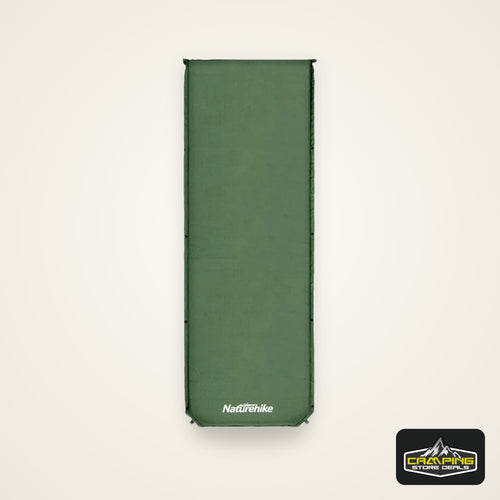
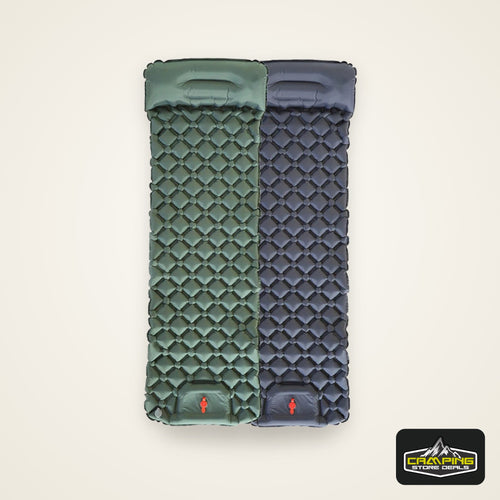
Children need sleeping pads as much as adults do, and they're more bothered by cold from the ground because they have less body mass to maintain warmth. A self-inflating foam pad in the $25–$40 range works perfectly for children and will last through years of family camping. If your child rolls off their pad constantly (and they will), a pad with a non-slip bottom surface helps significantly.
Cots for Older Kids
For children over eight or so, a lightweight camp cot elevates the camping sleep experience significantly. They're off the ground, can tuck their gear underneath, and feel like they have their own "bed" at camp. Youth-size camp cots run under $50 and pack into a carry bag for transport. The independence factor alone makes the purchase worthwhile for many families.
Lighting: Every Child Needs Their Own
Children and darkness at a campsite are a combination that produces anxiety—in the parents, in the children, in everyone within earshot. Give every child their own headlamp before the trip, and practice using it at home. A child who can navigate to the bathroom and back on their own headlamp is a child who doesn't wake the entire camp at 3 AM. We carry youth headlamps under $20 with simple controls and appropriate brightness levels for children.
A night light inside the tent also helps younger children who aren't ready to sleep in complete darkness. A small LED lantern on low setting placed near the children's sleeping area removes one source of nighttime anxiety.
Camp Chairs and Outdoor Furniture
Children need their own chairs at a campsite. Not because the ground isn't an option—it's fine—but because a child with a chair feels like a full participant in the camp setup rather than an afterthought. Youth camp chairs in bright colors run under $20 at Camping Store Deals and hold up through seasons of use by actual children. They're smaller, lighter, and designed for the weight and use patterns of kids.
A picnic table at the campsite makes meals dramatically easier than trying to eat from laps or standing. Most designated campgrounds include picnic tables. If yours doesn't, a folding camp table is worth the trunk space.
Camp Cooking With Kids
Keep camp meals simple. This is not the weekend to try new recipes. The meals that work with children at camp are the ones they already eat at home, adapted for outdoor cooking. Foil packet meals—protein and vegetables in foil over coals—involve children in cooking safely and produce food they'll actually eat. Hot dogs on sticks over the fire are not gourmet food but they are legitimately fun for children and reliably consumed. Pancakes on a camp stove in the morning are a special experience that most children remember.
Pre-cut and pre-measured everything at home. Arrive with ingredients in labeled bags rather than whole vegetables and uncut meat. The less camp prep required, the more time you spend with your kids rather than in the camp kitchen.
Safety and Medical Considerations
A trail-appropriate first aid kit stocked with children's pain reliever, antihistamine for potential allergic reactions, more blister supplies than you think you need, and afore-mentioned antiseptic wipes handles the vast majority of child-related camp medical situations. Know the location of the nearest urgent care before you leave, particularly for camping in remote areas.
Bug spray appropriate for children's ages is not optional in most camping regions from May through October. Sun protection matters more at altitude and near water than in typical daily life. A child-appropriate sun shirt and a wide-brim hat are better than sunscreen reapplication every two hours. Pack both.
The Gear That Makes Family Camping Better Specifically
Beyond the basics, a few pieces of gear make family camping specifically better: a portable camp shower for rinsing off muddy children before they get back in the tent; a mesh laundry bag for collecting wet swimsuits and towels without contaminating dry gear; a dedicated snack bag that children can access themselves without asking every fifteen minutes; and a rain tarp to extend under above the table or fire area, giving you an outdoor covered space when weather is marginal.
None of these are expensive. All of them make family camping smoother. Camping Store Deals carries everything on this list at prices that let a family outfit themselves without a significant financial stretch. That matters to us, because we believe the outdoors should be accessible to families at every income level—and overpriced gear is one of the things that keeps families from getting outside. We're working on that problem, one trip at a time.
Pro tip: go deeper with these related guides: Best Hiking Child Carriers for Family Trips, Camping Food Ideas That Hit Different, Stargazing While Camping.


 Tents & Shelter
 Sleep Systems
 Packs & Hiking
 Camp Kitchen
 Light & Power
 Survival & Skills
 Camping 101
 Fishing