

The first camping trip is its own kind of event. You're excited, you've watched enough videos to feel prepared, and then you get to the campsite and realize the one thing you forgot is the one thing you actually need. Everyone who camps has a story like this. The trick is minimizing how many stories you collect before you get the kit sorted out.
At Camping Store Deals, we talk to a lot of first-time campers. Some are solo adventurers who've been thinking about getting outside for years. Some are families with kids who finally picked a weekend. Some are couples who want a cheap trip that doesn't involve a hotel. All of them, regardless of their camping style, have the same basic question: what do I actually need to bring?
This checklist is our answer to that question. Not a comprehensive gear catalog—an honest starter list of what gets you through your first night comfortably and safely, without spending more than you need to.
The Non-Negotiables: Gear You Cannot Leave Without
Shelter: A Tent That Fits Your Group
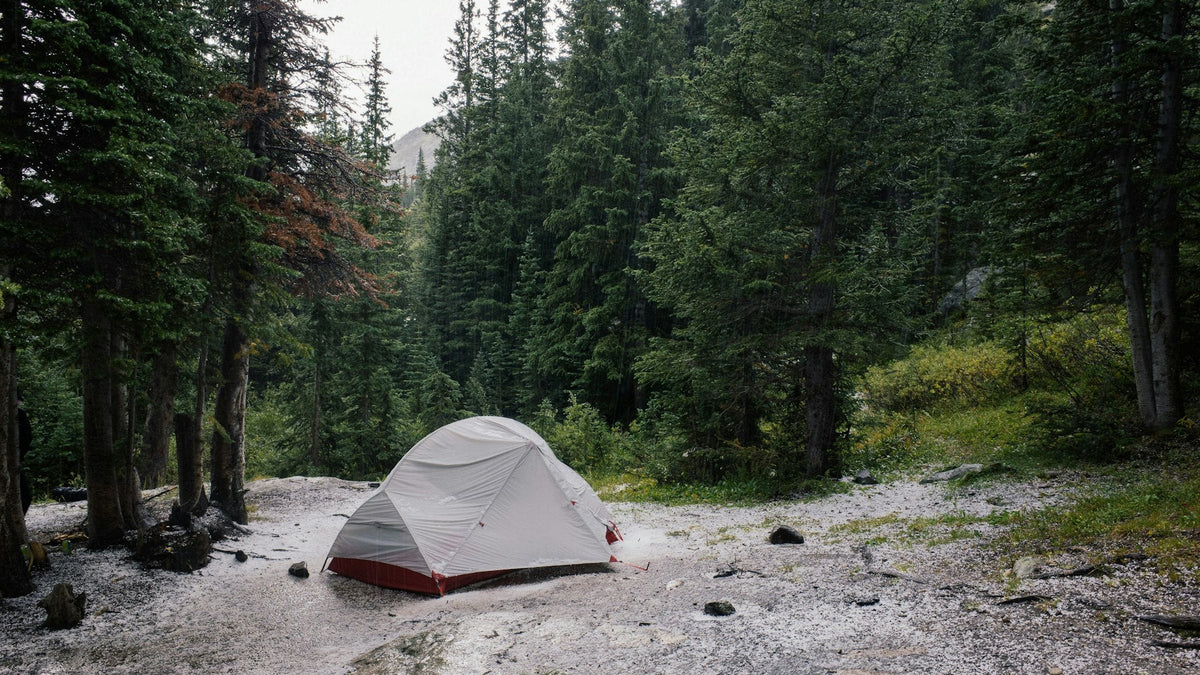
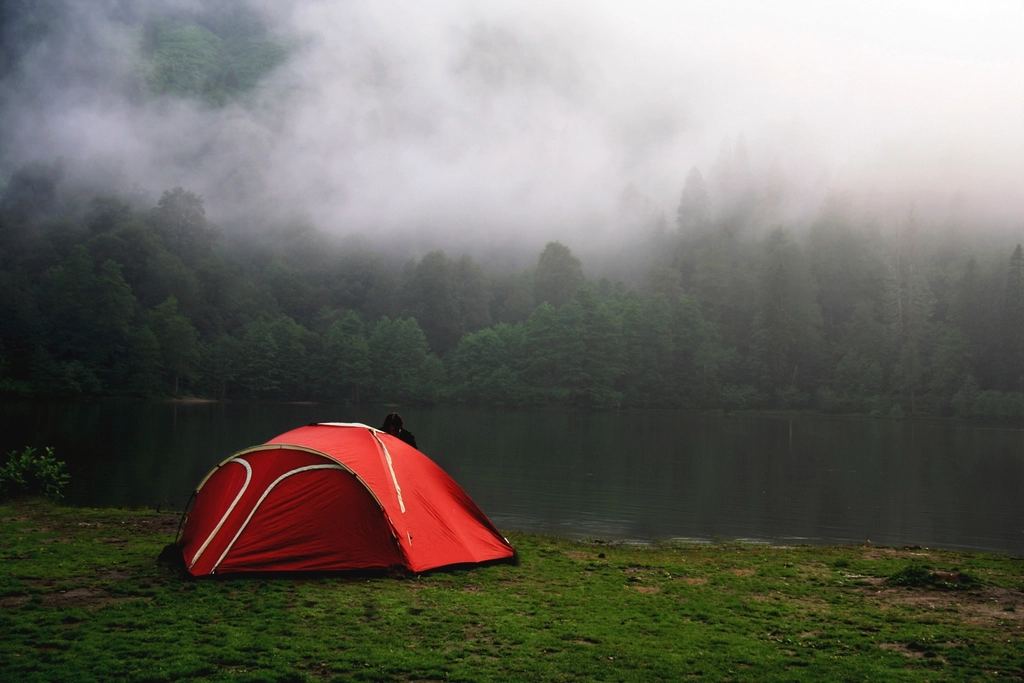
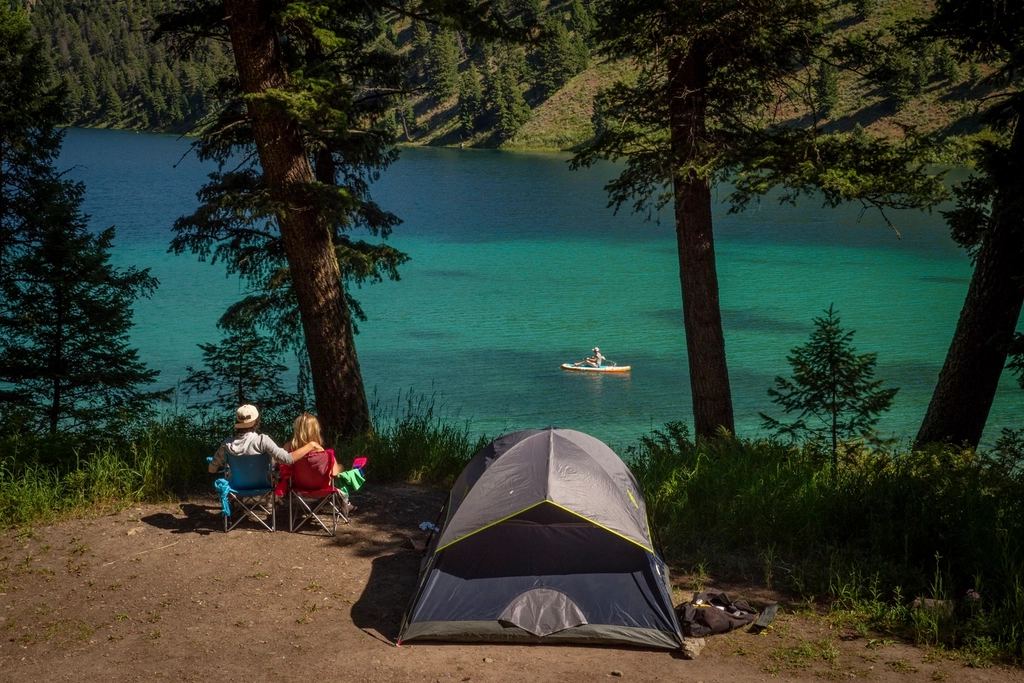
A tent rated for your group size plus one is the rule. A "two-person" tent is genuinely a tight two-person tent. Two people with gear need a three-person tent. Look for freestanding designs (no stakes required just to stand up), a full rain fly that reaches the ground, and taped seams. Setup time matters—find a tent with a setup video you can watch before the trip. Practice in the backyard. Don't make a campsite at dusk your first attempt. Camping Store Deals carries three-season tents from compact two-person options up to family cabin-style designs, all at prices that make the starter purchase feel manageable.
Sleep System: Bag and Pad Together
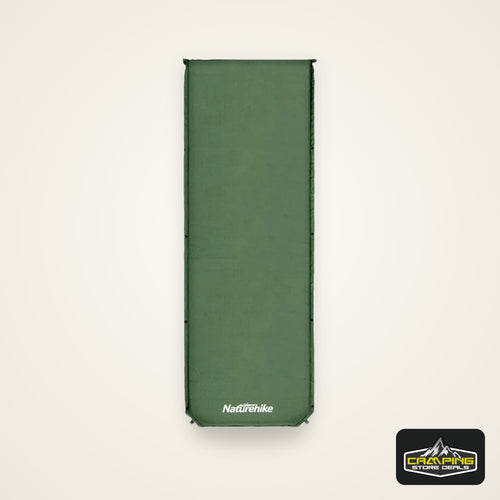
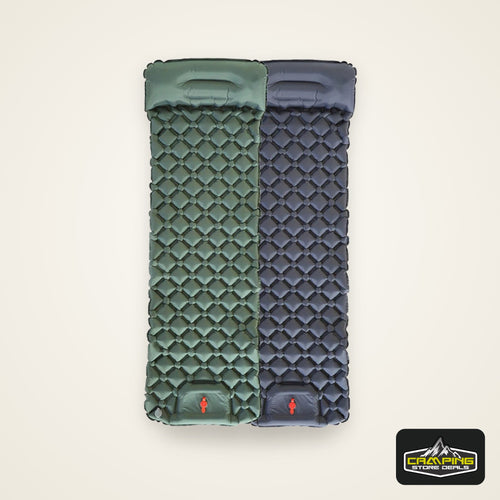
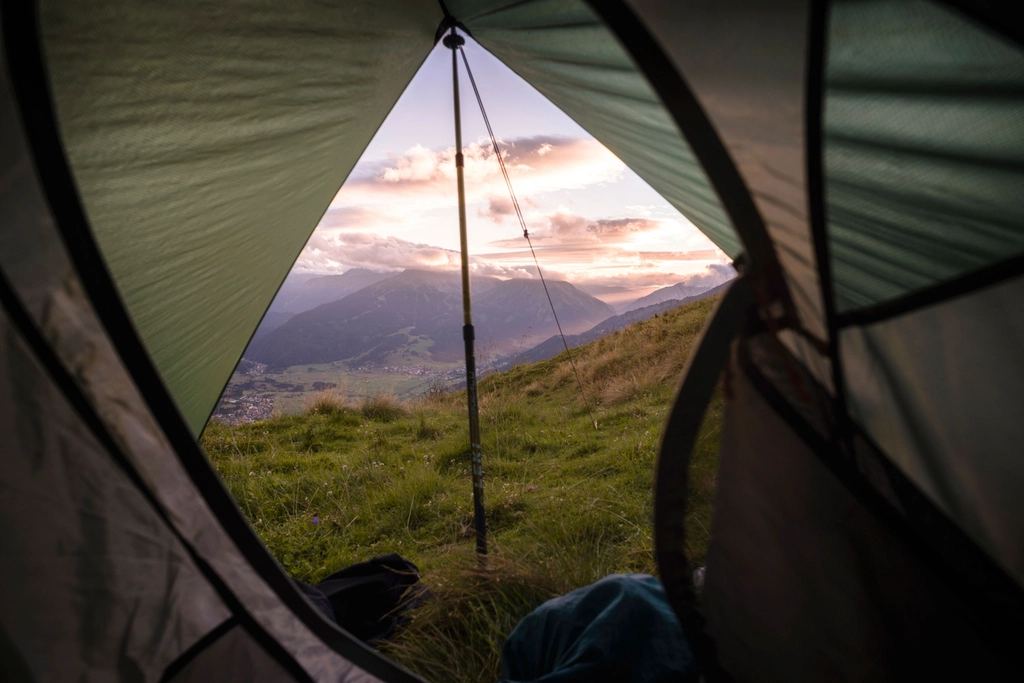
A sleeping bag without a sleeping pad is cold and uncomfortable regardless of the bag's temperature rating. The ground pulls heat away from your body faster than the air does. Your sleep system is two pieces: bag and pad. For a sleeping bag, match the temperature rating to the lowest overnight temperature you'll realistically face, then go a few degrees lower as a buffer. For a sleeping pad, a self-inflating foam pad in the $50–$70 range handles car camping and most first-time trips without issue. Spend appropriately here—cheap sleep leads to miserable mornings, and miserable mornings make people quit camping.
Lighting: One Headlamp Per Person
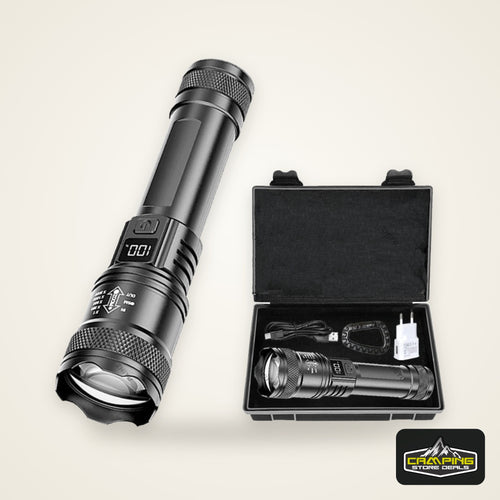
This is one of the most overlooked items for first-timers. A single flashlight is not enough. Every person at camp needs their own headlamp. They need it to navigate to bathrooms at 2 AM, to read in their sleeping bag, to rummage through gear bags without waking others. Budget headlamps in the 150–200 lumen range are completely adequate for campground camping and cost under $25. Buy one per person. Don't share.
Fire and Cooking
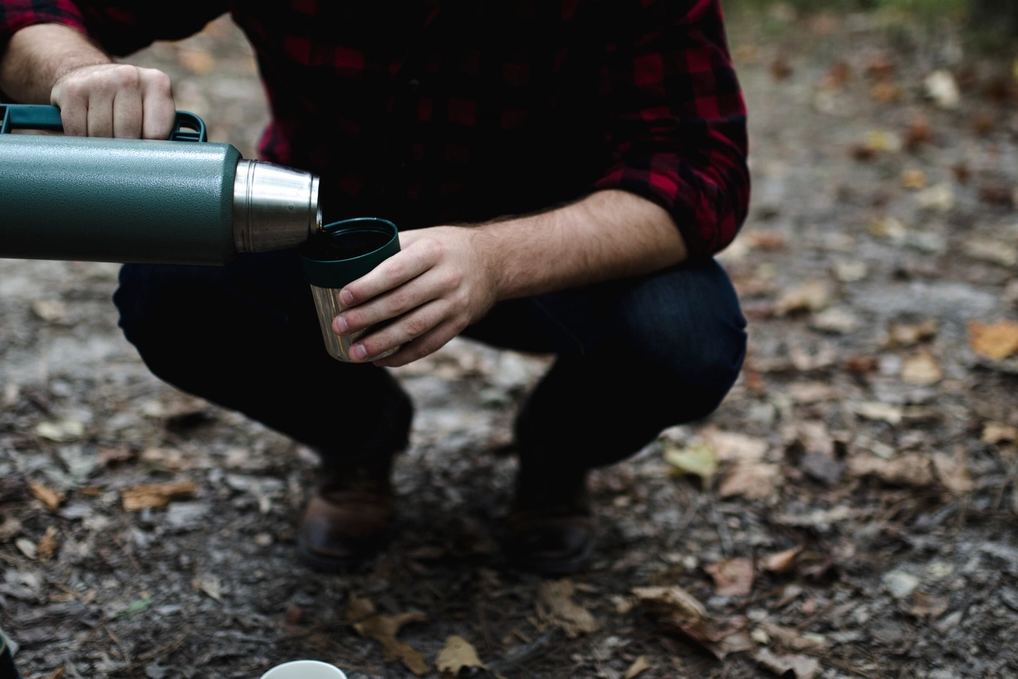
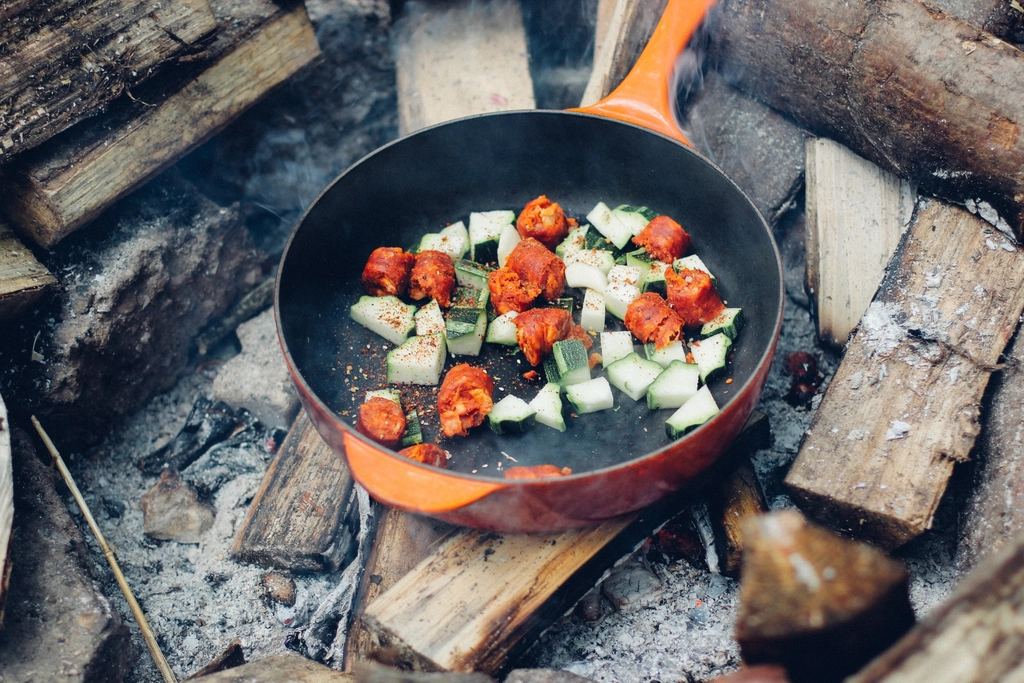
If you're at a campground with fire rings, you'll need fire starters (matches or a lighter—bring both, stored in a waterproof bag), a way to collect or buy firewood (many campgrounds sell it on-site), and basic camp cookware if you plan to cook. A simple two-burner camp stove handles most camp cooking more reliably than a campfire and doesn't depend on fire bans. Bring a pot, a pan, camp-appropriate utensils, and a biodegradable soap for cleanup.
Water: Filter or Treatment
At developed campgrounds, water stations usually exist. Know before you go. If you're dispersed camping or at a primitive site, bring water or bring a filter. A water filter straw or squeeze filter handles backcountry water effectively and costs under $25. Even at developed sites, bring at least two liters of water per person per day as baseline. Dehydration at camp is preventable and ruins trips.
The High-Value Additions: Things Worth Bringing Even Your First Trip
Camp Chairs
Sitting on logs is romantic in concept. After six hours, it's a back problem. Bring camp chairs. Folding chairs in the $30–$45 range pack small enough to fit in a trunk alongside everything else and make evenings at camp significantly more enjoyable. If you're camping with children, this matters even more—kids who are comfortable in chairs are kids who stay at camp rather than wandering.
A Camp Table
Food prep at a campsite without a flat surface is the kind of struggle that makes you feel like you're roughing it in the wrong way. A folding camp table under $60 provides a cooking surface, eating surface, and organization hub for all the gear that tends to pile up at a campsite. It's worth the trunk space.
First Aid Kit
A trail-appropriate first aid kit covers the things that actually happen at camp: blisters, cuts, minor burns from the campfire, splinters, and the occasional sprained ankle. Don't bring a home kit—bring a kit designed for field use with moleskin, antiseptic wipes, bandages in multiple sizes, and basic pain relief. Camping Store Deals carries kits built for this purpose under $50.
Navigation: Know Where You Are
At a designated campground, a map isn't strictly necessary—but knowing your campsite number, the location of bathrooms, and the nearest emergency exit is. If you're hiking from your campsite, bring a downloaded offline map (apps like AllTrails work without cell service), know the trailhead coordinates, and tell someone at home your plans and expected return time. This takes ten minutes and matters a great deal if something goes wrong.
Bear and Wildlife Protocols
Know the rules of your campground before you arrive. Most campgrounds in bear country require food stored in a vehicle or bear box overnight. Leaving food out isn't just against the rules—it's dangerous for the wildlife. A quick call or website check before your trip tells you what's required and what containers are approved. Camping Store Deals carries bear canisters and hang systems for both car camping and backcountry use.
The Comfort Layer: Nice to Have, Not Essential
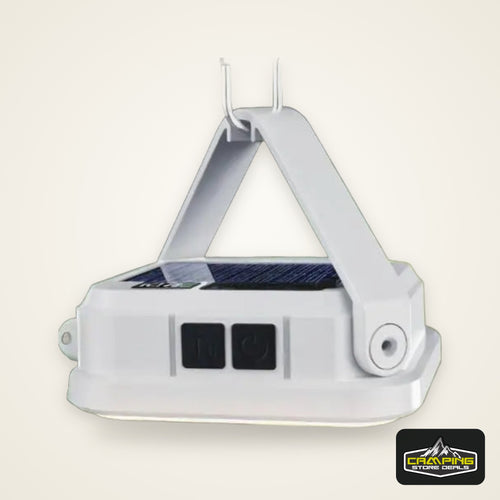
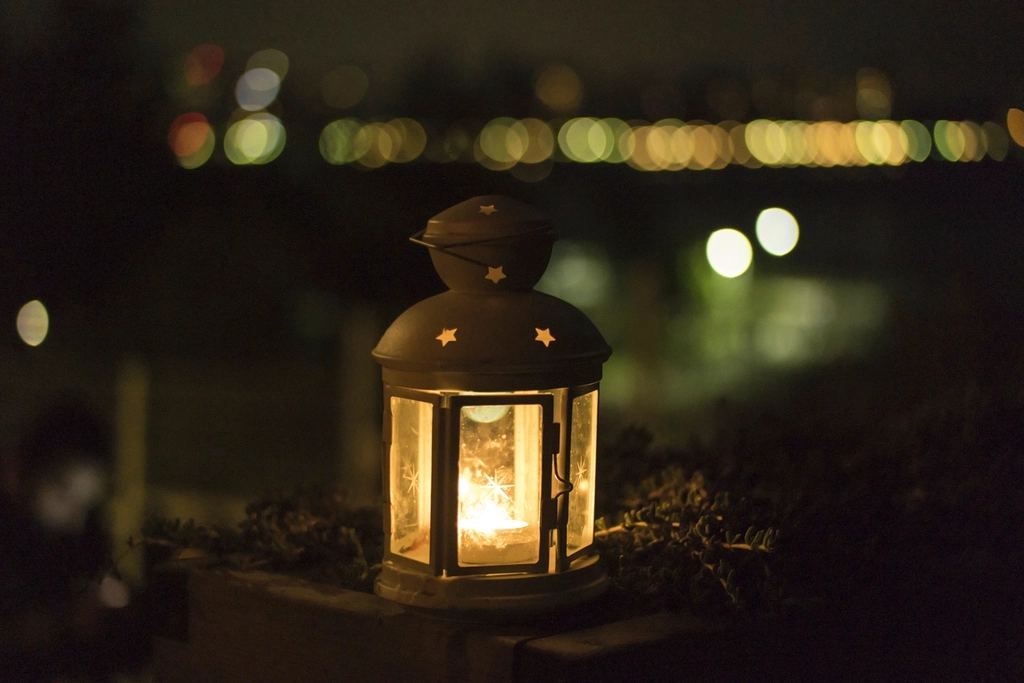
Once the non-negotiables are covered, comfort additions make the difference between a trip you remember fondly and one that's merely survived. Camp pillows pack smaller than home pillows and dramatically improve sleep. A camp lantern lights the whole site rather than just your headlamp beam. Bug spray and sunscreen are obvious but easy to forget. Camp coffee equipment—a simple pour-over or French press designed for camping—turns the morning into a reason to get up.
None of these are necessary for your first trip. All of them make subsequent trips better. Camp slowly—add what you actually wish you'd had, not what looks good in someone else's haul video.
The Master Beginner Camping Checklist
Shelter & Sleep: Tent (sized for group plus one), sleeping bag (rated below expected low temp), sleeping pad (self-inflating, 3.0+ R-value), tent footprint or ground cloth.
Kitchen: Camp stove with fuel, cookware set (pot and pan), utensils and camp plates, biodegradable soap, camp coffee maker, cooler with ice, food and water for full trip plus extra.
Lighting: Headlamp per person with spare batteries, camp lantern for group light, fire starters and matches.
Clothing: Layering system (base, insulating, shell), rain jacket, sturdy closed-toe shoes or boots, wool or synthetic socks (bring more than you think you need), hat and gloves for cold nights.
Safety: First aid kit, water filter or treatment, navigation map or downloaded offline map, emergency whistle, emergency contact informed of itinerary.
Camp Comfort: Camp chairs (one per person), camp table, camp pillow, bug spray, sunscreen, trash bags for pack-out.
One Last Thing Before You Go
Check the weather for the three days before and after your trip. Check campground reviews for recent conditions. Make sure your camping stove fuel is compatible with your stove. Set up your tent in the backyard at least once before the trip. These four things will prevent 80 percent of first-trip disasters. The other 20 percent are stories you'll tell later.
Camping Store Deals exists to make the gear side of this easier and less expensive than it needs to be. Everything on this checklist is available from us at prices lower than you'll find at the big outdoor retailers. When you're ready to put together your first kit, we're here—and our lowest-price guarantee means you don't need to shop around to know you're getting a fair deal.
Pro tip: go deeper with these related guides: Camping Food Ideas That Hit Different, Leave No Trace, 25 Camping Hacks That Actually Work.


 Tents & Shelter
 Sleep Systems
 Packs & Hiking
 Camp Kitchen
 Light & Power
 Survival & Skills
 Camping 101
 Fishing