


Every campsite we love was left in good shape by the people who came before us. Leave No Trace is a simple set of principles that helps keep it that way. It is not about strict rules or perfection. It is about small choices that add up when millions of people head outdoors every year.
Here are the seven principles, with practical examples you can use on your next trip.
1. Plan ahead and prepare
Good planning prevents most problems. Check regulations, permits, fire restrictions and the weather forecast. Know the size of your group and choose campsites that can handle it. Repackage food to reduce trash, and bring the right gear so you are not tempted to improvise in ways that damage the area. Our camping checklist is a good place to start.
2. Travel and camp on durable surfaces
- Stay on established trails, even when they are muddy, rather than widening them.
- Use existing campsites and tent pads where possible.
- In more remote areas, choose durable surfaces such as rock, gravel, sand or dry grass.
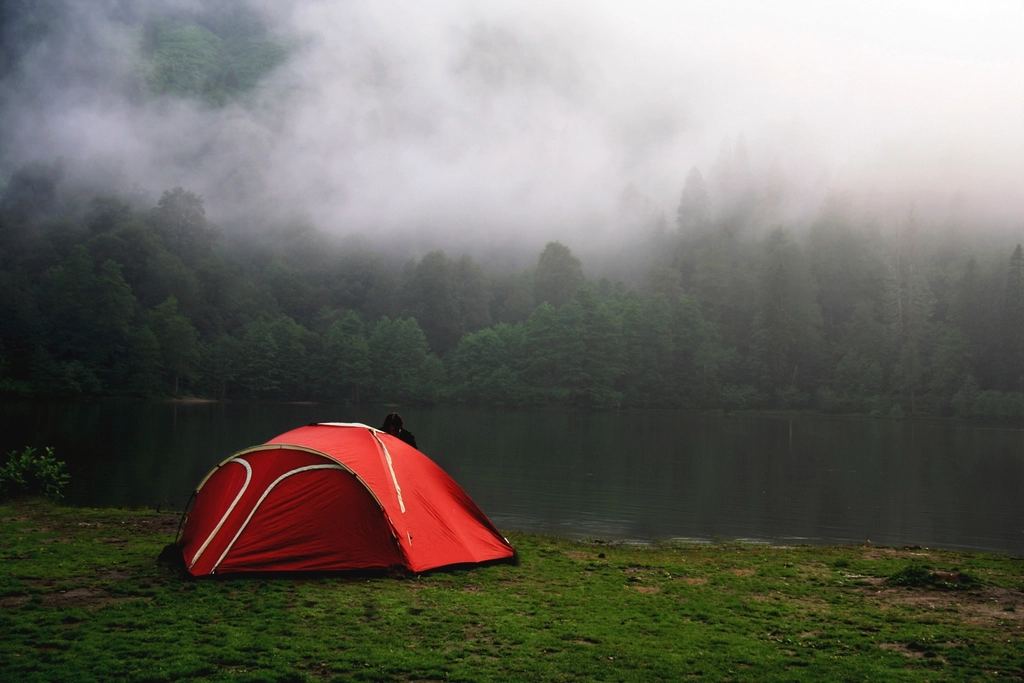
- Camp at least 200 feet, about 70 adult steps, from lakes and streams unless you are at a designated site.
- Keep your campsite compact so vegetation is not trampled.
3. Dispose of waste properly
"Pack it in, pack it out" applies to everything: wrappers, food scraps, fruit peels and toilet paper where required.
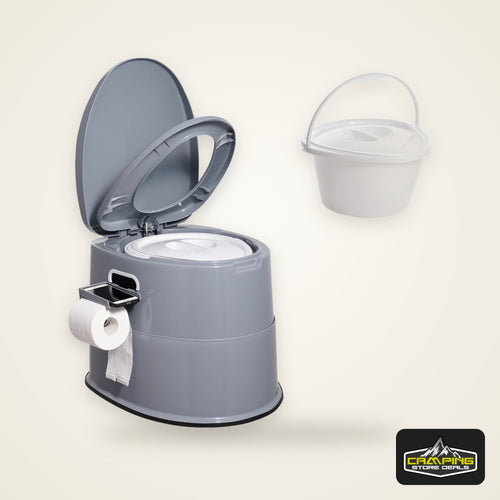
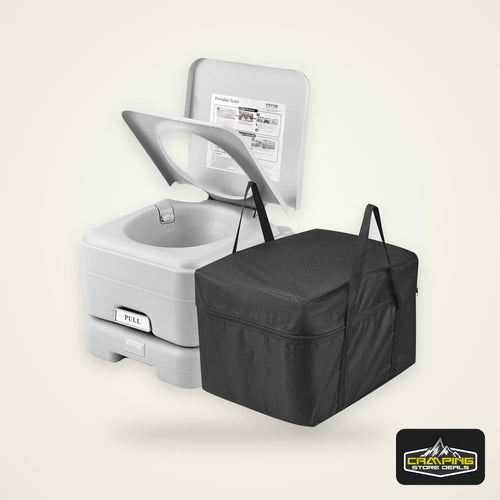
Where toilets are not available, dig a cathole 6 to 8 inches deep and at least 200 feet from water, trails and camp, then cover and disguise it. Some areas, such as deserts, canyons and high alpine zones, require packing out human waste entirely. Wash dishes and yourself at least 200 feet from water, using small amounts of biodegradable soap, and scatter strained wash water. A trowel and hand sanitizer from our hygiene and sanitation range make this easy.
4. Leave what you find
Leave rocks, plants, antlers, artifacts and other natural or cultural objects where they are, so the next visitor can enjoy them too. Avoid building structures, digging trenches around tents or carving into trees.
5. Minimize campfire impacts
Campfires can leave lasting scars. Use a stove for cooking, and if fires are allowed, use existing fire rings, keep fires small and burn only small dead and down wood or firewood bought locally. Burn wood to ash, put the fire out completely and scatter cool ashes where appropriate. Learn the full method in our campfire guide.
6. Respect wildlife
- Observe animals from a distance and never feed them.
- Store food, trash and scented items securely at night and whenever you leave camp.
- Keep pets under control or leave them at home where required.
- Avoid wildlife during sensitive times such as mating, nesting and raising young.
Pro tip: if an animal changes its behavior because of you, you are too close.
7. Be considerate of other visitors
Keep noise down, especially early and late. Yield to other users on the trail, take breaks away from the trail and choose campsites that give neighbors some space. Let nature's sounds be the soundtrack.
Quick reference
| Principle | One habit to start with |
|---|---|
| Plan ahead | Check fire restrictions and permits before every trip |
| Durable surfaces | Use existing campsites and stay on the trail |
| Waste | Carry a dedicated trash bag and a trowel |
| Leave what you find | Take photos, not souvenirs |
| Campfires | Cook on a stove and keep fires small |
| Wildlife | Store food securely every night |
| Other visitors | Respect quiet hours |
Bottom line
Leave No Trace is about leaving places better than you found them. Plan ahead, stay on durable ground, pack out everything and respect wildlife and other campers. Small habits, multiplied across every trip, keep our favorite places wild.
![[Portable Shower] 6000mAh Portable Camping Shower | 5 Gallon Foldable Bucket & Filtered Shower Head - Battery/USB Powered Outdoor Shower for Hiking, Beach, Travel, Pet Bath, Car Washing, Surf & Boat Cleaning, Highquality Comp](http://www.campingstoredeals.com/cdn/shop/files/portable-shower-6000mah-portable-camping-shower-5-gallon-fol-csd-studio.jpg?v=1791156450&width=500)


 Tents & Shelter
 Sleep Systems
 Packs & Hiking
 Camp Kitchen
 Light & Power
 Survival & Skills
 Camping 101
 Fishing