

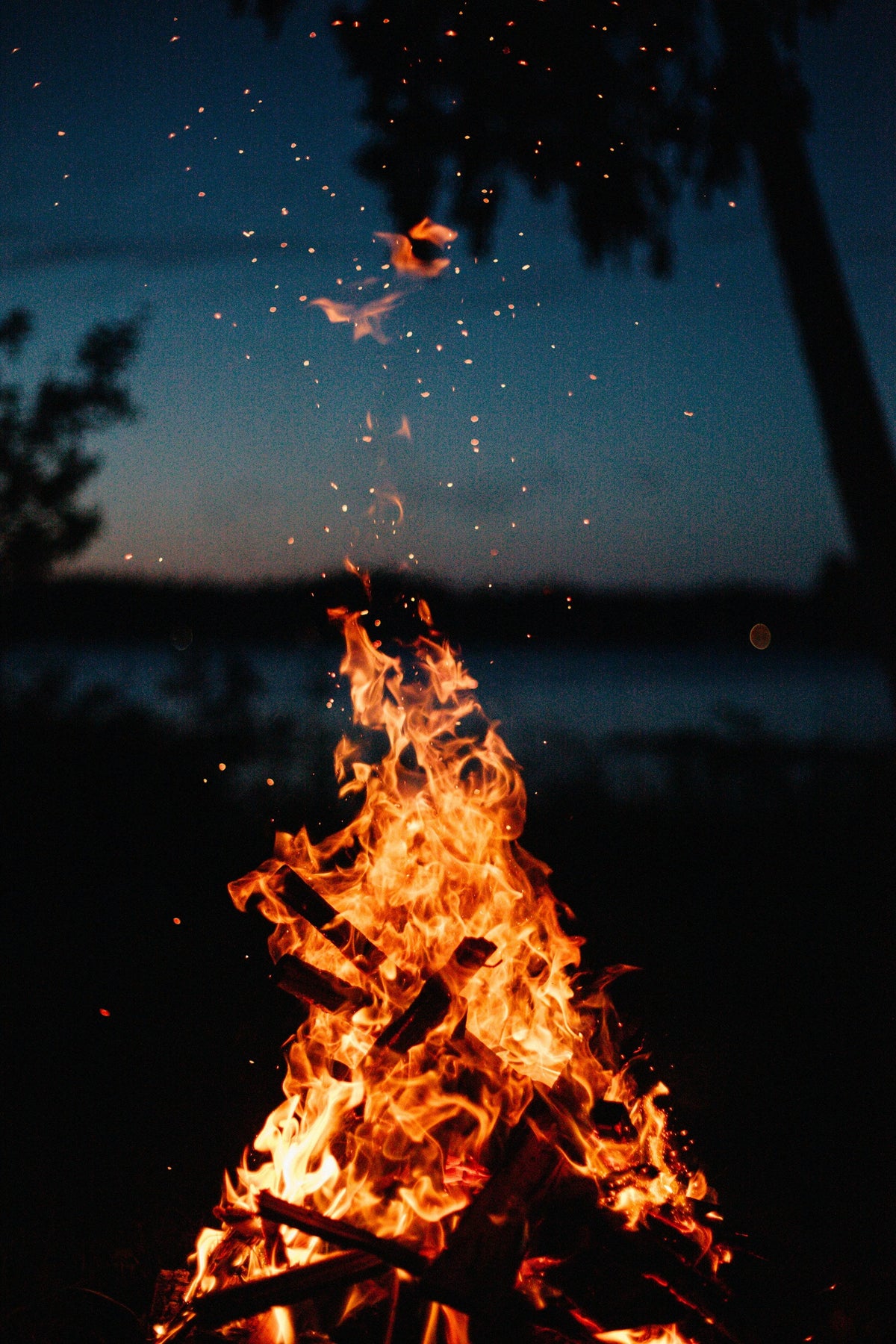
A campfire is the centerpiece of camp: warmth, light, cooking and the best conversations of the trip. Building one reliably is a skill, and like every outdoor skill it comes down to preparation and a few fundamentals. Master them and you will get a fire going quickly, even when conditions are less than perfect.
Before you light anything, check current fire restrictions for your area. Many parks and forests limit or ban campfires during dry periods. Stock up on reliable ignition in our lighters and fire starters collection.
Understand the fire triangle
Fire needs three things: heat, fuel and oxygen. Most failed fires are short on one of them. People often smother a fire with big logs too early, or pack fuel so tightly that air cannot flow. Keep the triangle in mind and troubleshooting becomes easy.
Ignition: carry two ways to make fire
| Tool | Strengths | Weaknesses |
|---|---|---|
| Butane lighter | Easy, fast, cheap | Struggles in cold, can fail when wet |
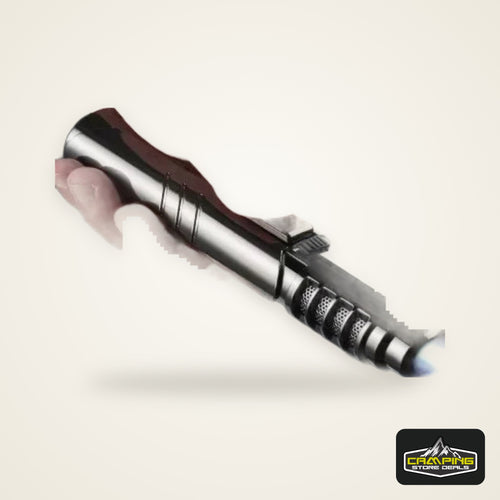
| Windproof or torch lighter | Handles wind, hot flame | Uses fuel quickly, still dislikes cold |
| Stormproof matches | Burn in wind and rain | Limited supply, need a striker |
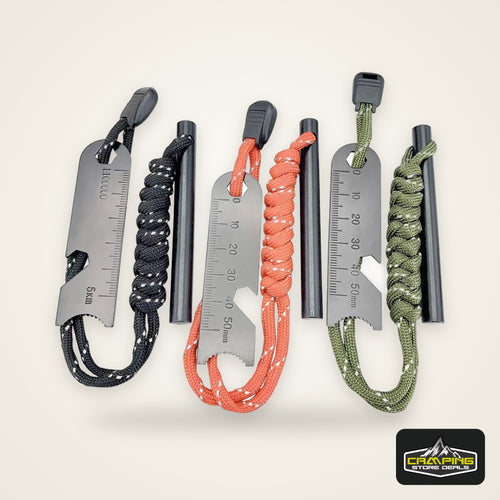
| Ferro rod | Works wet and cold, thousands of strikes | Needs fine dry tinder and practice |
Pro tip: in cold weather, keep your lighter in an inside pocket. Cold butane does not vaporize well, and a warm lighter lights first time.
Gather three sizes of fuel before you start
- Tinder: fine, fluffy, dry material that catches a spark or flame. Dry grass, birch bark, pine needles, wood shavings, cotton balls with petroleum jelly or commercial fire starters.
- Kindling: dry sticks from match-thin to thumb-thick. You need more than you think, at least two big handfuls.
- Fuel wood: wrist-thick and larger pieces that keep the fire going once it is established.
Collect only dead and down wood where gathering is allowed, or buy local firewood to avoid spreading invasive pests.
Two fire lays that always work
The teepee
Place a loose ball of tinder in the center. Lean small kindling around it in a cone, leaving a doorway on the upwind side. Light the tinder through the doorway. Flames rise up the cone quickly, making this the best lay for getting a fire started.
The log cabin
Build a small teepee, then stack pairs of larger sticks around it in alternating layers like a cabin. This creates a stable fire that burns down into a great bed of coals for cooking.
Starting a fire in wet conditions
- Look for dead branches still attached to standing trees; they are often drier than wood on the ground.
- Split wood to reach the dry core.
- Carve feather sticks: thin curls of wood still attached to a stick catch flame easily.
- Build on a platform of sticks or bark so the fire is not sitting in moisture.
- Use a long-burning starter to dry and ignite damp kindling.
Campfire safety and Leave No Trace
Use established fire rings where they exist, keep fires small, never leave a fire unattended and keep water nearby. Burn wood completely to ash. Follow the principles in our Leave No Trace guide.
Safety: to put a fire out, drown it with water, stir the ashes, drown it again and feel for heat near the ashes with the back of your hand. Repeat until everything is cold to the touch.
Bottom line
Carry two ways to light a fire, gather plenty of tinder and kindling first, build a loose teepee and feed it gradually. And always leave your fire dead out. Your camp, and the forest, will thank you.
Pro tip: go deeper with these related guides: Camping Food Ideas That Hit Different.


 Tents & Shelter
 Sleep Systems
 Packs & Hiking
 Camp Kitchen
 Light & Power
 Survival & Skills
 Camping 101
 Fishing