


Most camping injuries are small: a cut from a knife, a blister on day two, a burn from the stove or a twisted ankle on a root. Having the right supplies turns those moments into minor inconveniences instead of trip-ending problems. A well-built kit also gives you a head start if something more serious happens far from help.
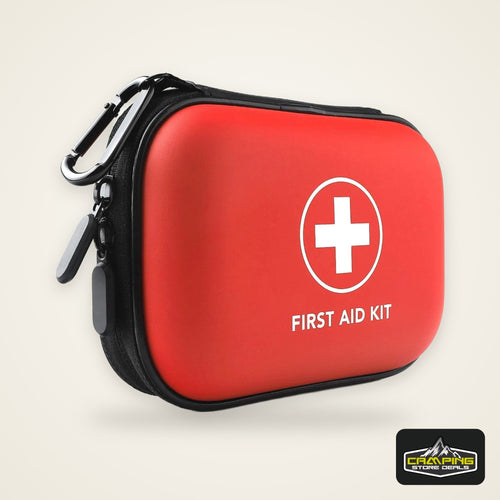
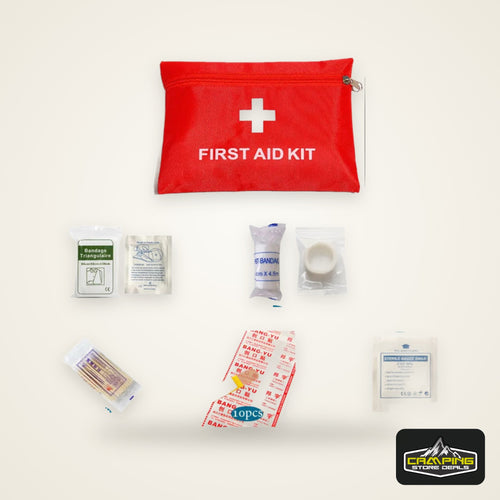
This checklist covers what to pack, how to organize it and how to adapt it for different trips. You can start with a ready-made kit from our first aid collection and customize from there.
Important: this guide is general information, not medical advice. Seek professional care for serious injuries, and talk to a doctor about medications for your group.
Start with your trip profile
Before you pack, consider three things: how many people you are caring for, how long you will be out and how far you are from medical help. A family car camping near town needs a different kit than two backpackers a day's walk from the nearest road.
Wound care
- Adhesive bandages in assorted sizes, including knuckle and fingertip shapes
- Sterile gauze pads and a roll of gauze
- Medical tape
- Non-stick dressings
- Antiseptic wipes and antibiotic ointment
- Wound closure strips
- An irrigation syringe for cleaning debris from wounds with clean water
Blister and foot care
For hikers, blisters are the most common problem by far. Treat hot spots early, before they become blisters.
- Moleskin or molefoam
- Blister dressings
- Athletic or leukotape
- Small scissors to cut dressings to size
Pro tip: pre-cut a few pieces of tape and stick them to wax paper so you can apply them instantly on the trail.
Medications
- Pain and fever relievers
- Antihistamine for allergic reactions and bug bites
- Anti-diarrheal medication
- Hydrocortisone cream for rashes and stings
- Personal prescriptions, plus a few extra days' supply
- Epinephrine auto-injector for anyone with a known severe allergy
Tools
- Fine-point tweezers for splinters and ticks
- Trauma shears or scissors
- Nitrile gloves
- Safety pins
- Digital thermometer
- Small mirror and a headlamp for light
Sprains, burns and the unexpected
- Elastic compression wrap
- Moldable splint
- Triangular bandage
- Instant cold pack
- Burn gel or burn dressings
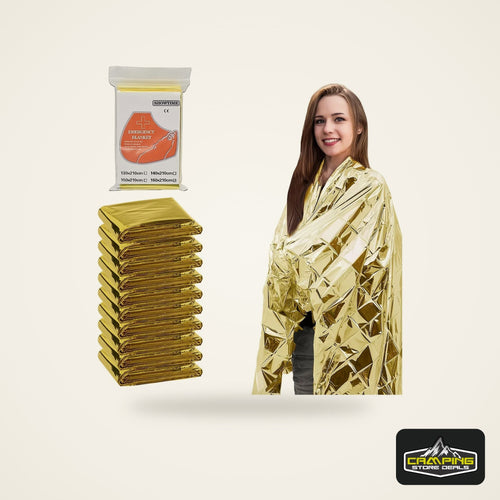
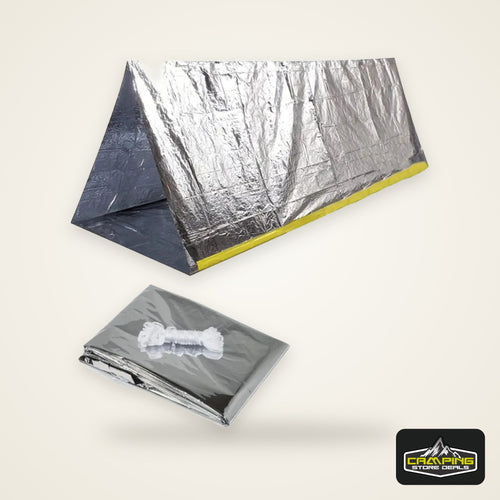
- Emergency blanket
- Whistle
- Oral rehydration salts
Kit size by trip type
| Trip type | Focus | Size |
|---|---|---|
| Day hike | Blisters, small cuts, allergy meds, emergency blanket | Pocket or hip-belt pouch |
| Backpacking | Full wound care, foot care, sprain support, meds for the whole trip | Compact pouch, weight-conscious |
| Car camping and families | Larger quantities, burns, kids' medications, comfort items | Bin or large organized bag |
| Remote or group trips | Splinting, extra dressings, communication device, trained leader | Larger kit split between people |
Organize it so you can find things fast
Use a brightly colored bag so it is easy to spot. Group supplies into small labeled pouches, such as wounds, blisters and meds, and keep a simple contents list inside. Store it where everyone in your group knows to find it, and pack it near the top of your car or backpack.
Maintain it every season
- Restock anything you used on your last trip.
- Check expiry dates on medications and ointments.
- Replace damp, torn or damaged packaging.
- Update for new group members, allergies or destinations.
Your first aid kit pairs naturally with the rest of your emergency and survival gear: a light, a way to make fire, a navigation tool and a way to call for help.
Bottom line
Start with a quality base kit, add plenty of blister care and your group's personal medications, and check it every season. Then invest in the most valuable item of all: training, so you know how to use what you carry.


 Tents & Shelter
 Sleep Systems
 Packs & Hiking
 Camp Kitchen
 Light & Power
 Survival & Skills
 Camping 101
 Fishing