

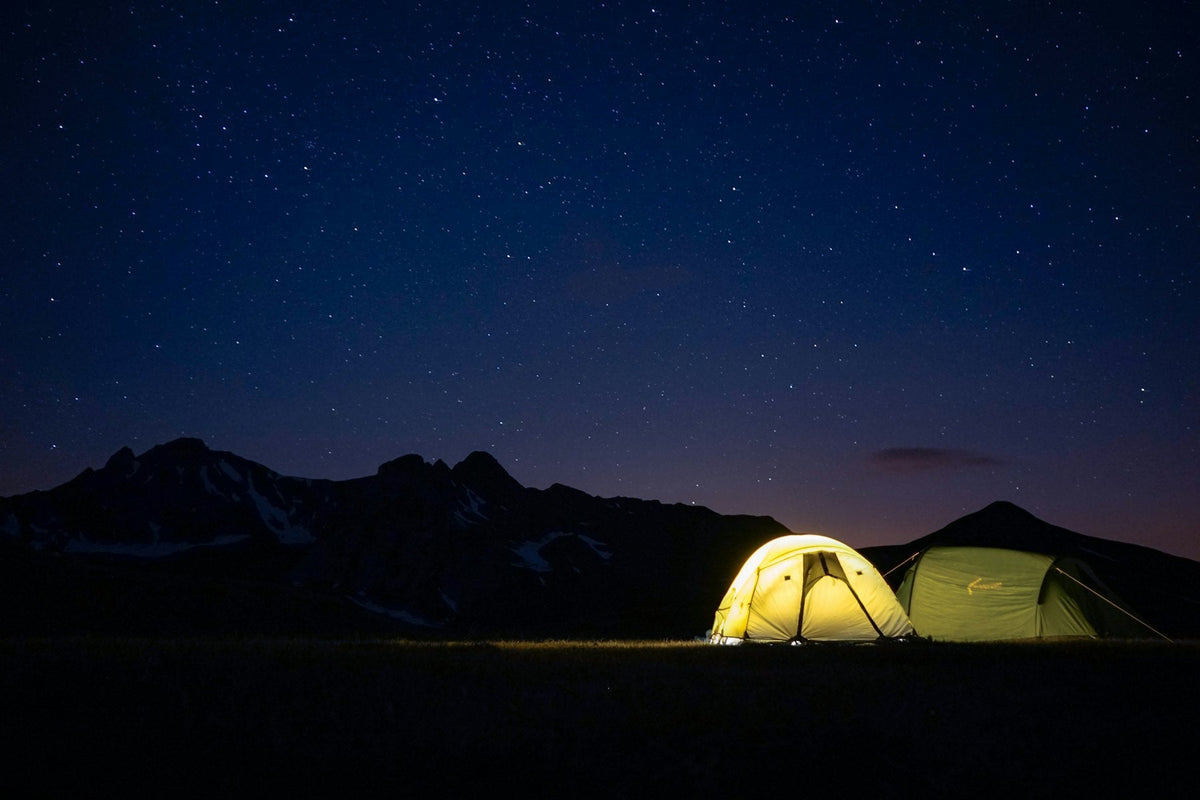
A headlamp is the most-used piece of lighting you will own. It lights the trail before sunrise, finds the tent stakes after dark and keeps both hands free for cooking, reading or setting up camp. Choosing one is easy once you understand a handful of specs that actually matter.
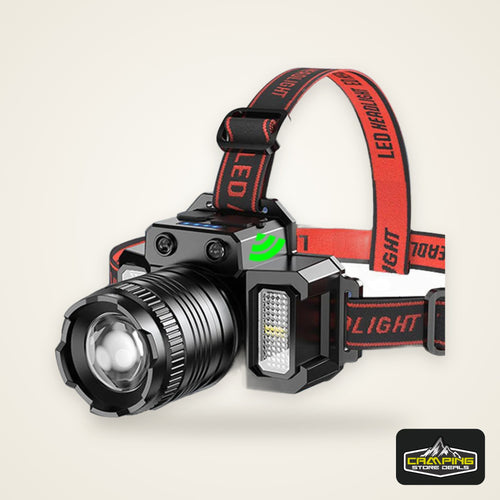
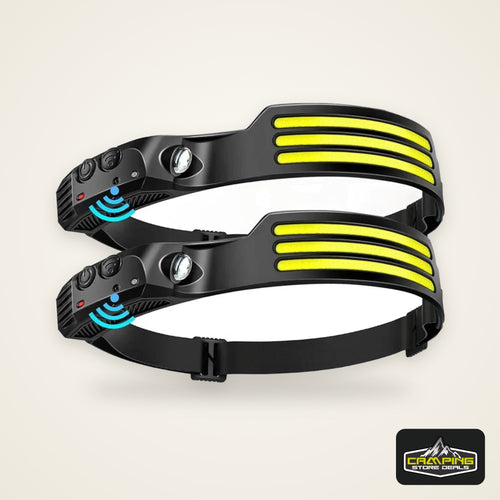
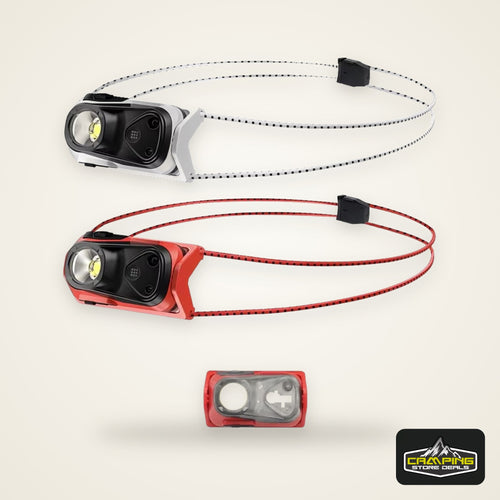
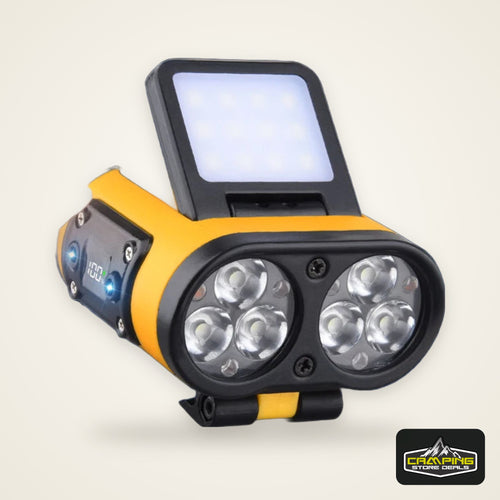
Below we break down brightness, beam patterns, batteries and durability in plain language. Compare models in our headlamp collection.
Lumens: how bright is bright enough?
Lumens measure the total light a lamp produces. More is not always better, because high output drains batteries fast and can be harsh at close range. Think about what you will do most often:
- Around camp (100 to 300 lumens): cooking, reading, finding gear and walking to the restroom.
- Night hiking (300 to 600 lumens): following trails, spotting markers and judging footing.
- Fast movement or route finding (600+ lumens): trail running, search situations or technical terrain.
Pro tip: the brightest mode often only lasts a short time before the lamp steps down. Check the runtime chart for the setting you will actually use most.
Beam distance and beam pattern
Beam distance tells you how far the light reaches. Beam pattern tells you how it is shaped. A flood beam spreads light wide for close-up tasks. A spot beam concentrates light into a narrow, far-reaching cone. The best headlamps for camping give you both, or blend them, so you can switch between cooking and scanning the trail ahead.
Red light and night vision
Your eyes take a while to fully adapt to darkness, and one blast of white light resets the clock. Red light mode lets you move around camp, read a map or check on kids without wrecking your night vision or blinding the people around you. It is a must for stargazing.
Batteries: rechargeable, AAA or both
| Power type | Pros | Cons |
|---|---|---|
| Built-in rechargeable | Cheaper to run, less waste, often steadier brightness | Needs a power source on long trips |
| Disposable AAA | Easy to replace anywhere | Ongoing cost and waste, can dim as they drain |
| Hybrid (rechargeable pack or AAA) | Maximum flexibility | Slightly heavier and more expensive |
For longer trips, pair a rechargeable lamp with a small power bank or a portable power station for the car.
Water resistance ratings
Most outdoor lights use the IP rating system. IPX4 means splash resistant, so rain is fine. IPX7 means the lamp is rated to survive temporary immersion, typically up to 1 meter for 30 minutes. For paddling, fishing or very wet climates, IPX7 is worth it.
Comfort and features worth paying for
- Fit and weight. A lighter lamp with a soft, wide strap is far more comfortable for hours of wear. Higher-output lamps sometimes add a top strap or a rear battery pack for balance.
- Tilt. A housing that tilts down lets you light your feet without craning your neck.
- Lockout mode. Prevents accidental activation in your pack.
- Battery indicator. Takes the guesswork out of whether you need to charge before a trip.
- Easy controls. Big buttons you can use with gloves on and a simple way to reach red light without cycling through full brightness.
Which headlamp is right for you?
For car camping and family trips, a comfortable 200 to 400 lumen lamp with red light and a rechargeable battery is perfect. Backpackers should prioritize light weight and runtime. Night hikers and anglers who start before dawn should look for higher output, a strong spot beam and IPX7 waterproofing. And always carry a backup light, even a small one, in your emergency kit.
Bottom line
Choose your headlamp by how you will use it, not by the biggest number on the box. Comfortable fit, useful brightness, red light and reliable power will serve you far better than maximum lumens you rarely use.


 Tents & Shelter
 Sleep Systems
 Packs & Hiking
 Camp Kitchen
 Light & Power
 Survival & Skills
 Camping 101
 Fishing