

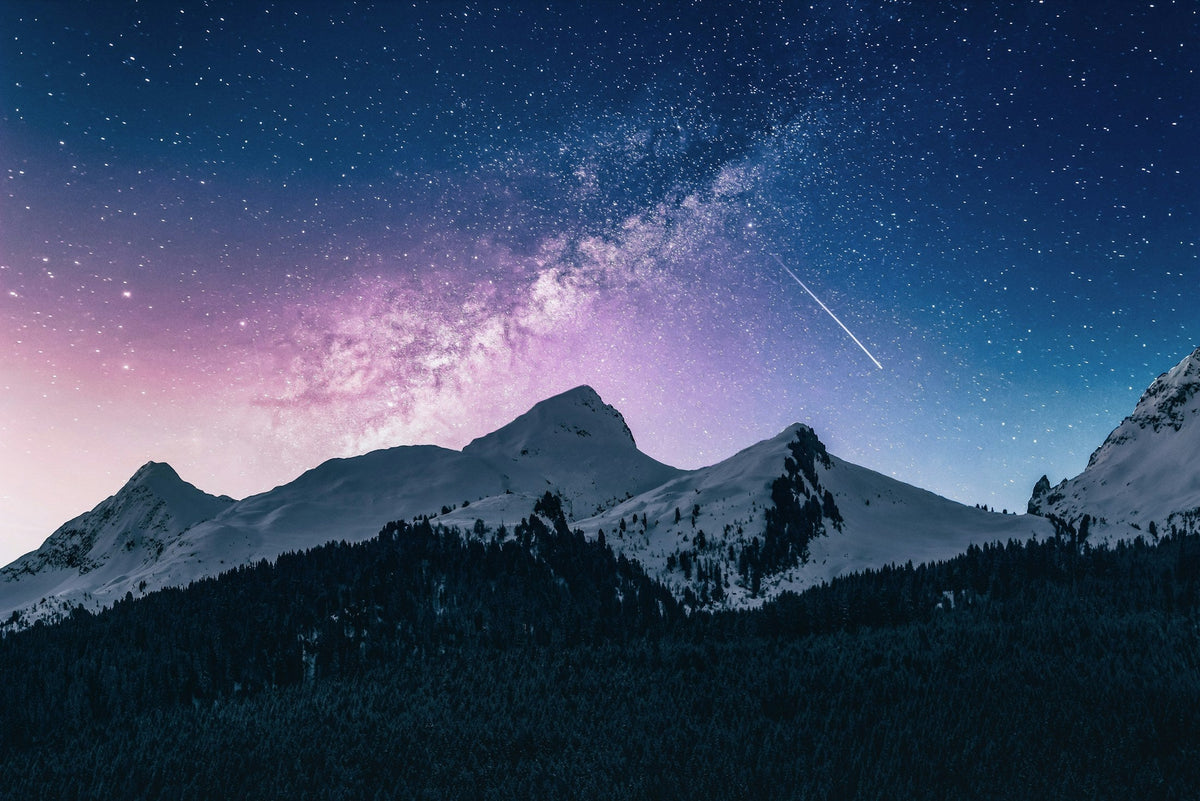
For many people, the first night under a truly dark sky is unforgettable. Away from city lights, the stars do not just appear; they crowd the sky, and the Milky Way stretches overhead like a river of light. Camping is one of the easiest ways to experience it.
Here is how to plan a stargazing night, protect your night vision and get the most from simple gear.
Find dark skies
Light pollution is the biggest barrier to seeing stars. The further you get from towns and cities, the more you will see. Many national and state parks have excellent dark skies, and some are certified dark sky places. Light pollution maps online make it easy to find dark areas near you.
Time it with the moon
A bright moon washes out faint stars. For the best views, plan your trip around the new moon, or a few days either side. If the moon is up, it is still a great time to look at the moon itself through binoculars.
Protect your night vision
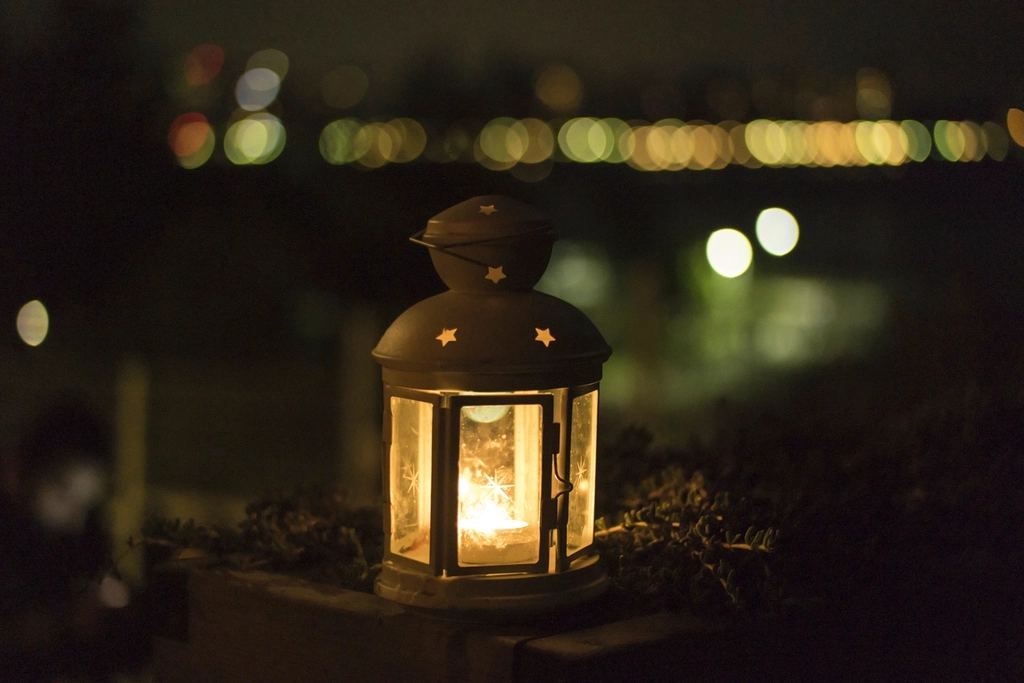
Your eyes need around 20 to 30 minutes in darkness to adapt fully, and a single bright white light resets the clock. Use red light on your headlamp, dim your phone screen to the lowest setting with a red filter if possible, and turn campsite lanterns down low.
Pro tip: set up chairs or sleeping pads facing the darkest part of the sky before sunset, so you are not fumbling around once your eyes have adjusted.
What to look for
- The Milky Way: in the Northern Hemisphere, its bright core is best seen from roughly late spring through early fall on moonless nights.
- Planets: bright, steady points of light that do not twinkle the way stars do.
- Satellites: steady moving points of light, often visible in the first hours after sunset.
- Star clusters: the Pleiades is a beautiful sight in fall and winter skies.
- Meteor showers: see below.
Catching a meteor shower
| Shower | Approximate peak | Why it is great |
|---|---|---|
| Perseids | Mid-August | Warm summer nights, often bright and frequent meteors |
| Geminids | Mid-December | Often one of the strongest showers of the year |
| Orionids | Late October | A good fall camping shower |
| Lyrids | Late April | A spring shower that kicks off the season |
Check a current astronomy calendar for exact peak dates and the moon phase. Lie back, look at a wide area of sky and be patient; meteors often come in bursts.
Gear that helps
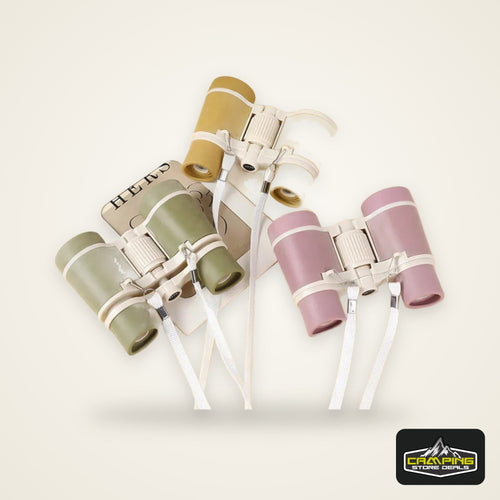
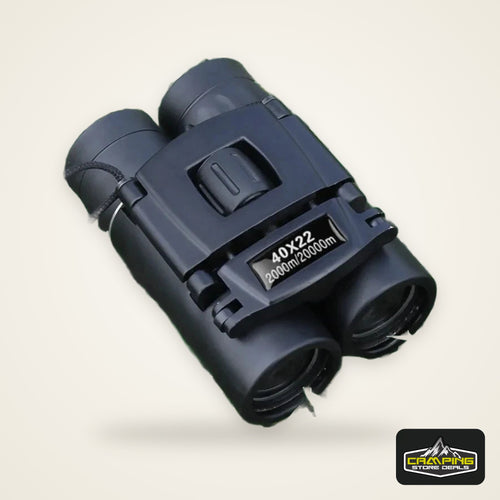
- Binoculars: a 7x50 or 10x50 pair reveals star clusters, the moon's craters and more. Browse our binoculars.
- Sky map app: point your phone at the sky to identify stars and planets, with a red night mode.
- Warm layers: clear nights get cold quickly. A sleeping bag or blanket makes long sessions comfortable.
- Reclining chair or pad: lying back saves your neck.
Photographing the night sky
Modern phones with night modes can capture surprisingly good star photos. Use a small tripod, turn on the night or long exposure mode and keep the phone perfectly still. With a dedicated camera, a wide-angle lens, a wide aperture and exposures of around 15 to 25 seconds are a common starting point for the Milky Way.
Bottom line
Head somewhere dark, plan around the new moon, protect your night vision with red light and bring binoculars and warm layers. Then just lie back and look up. It is one of the best free shows on earth.


 Tents & Shelter
 Sleep Systems
 Packs & Hiking
 Camp Kitchen
 Light & Power
 Survival & Skills
 Camping 101
 Fishing