

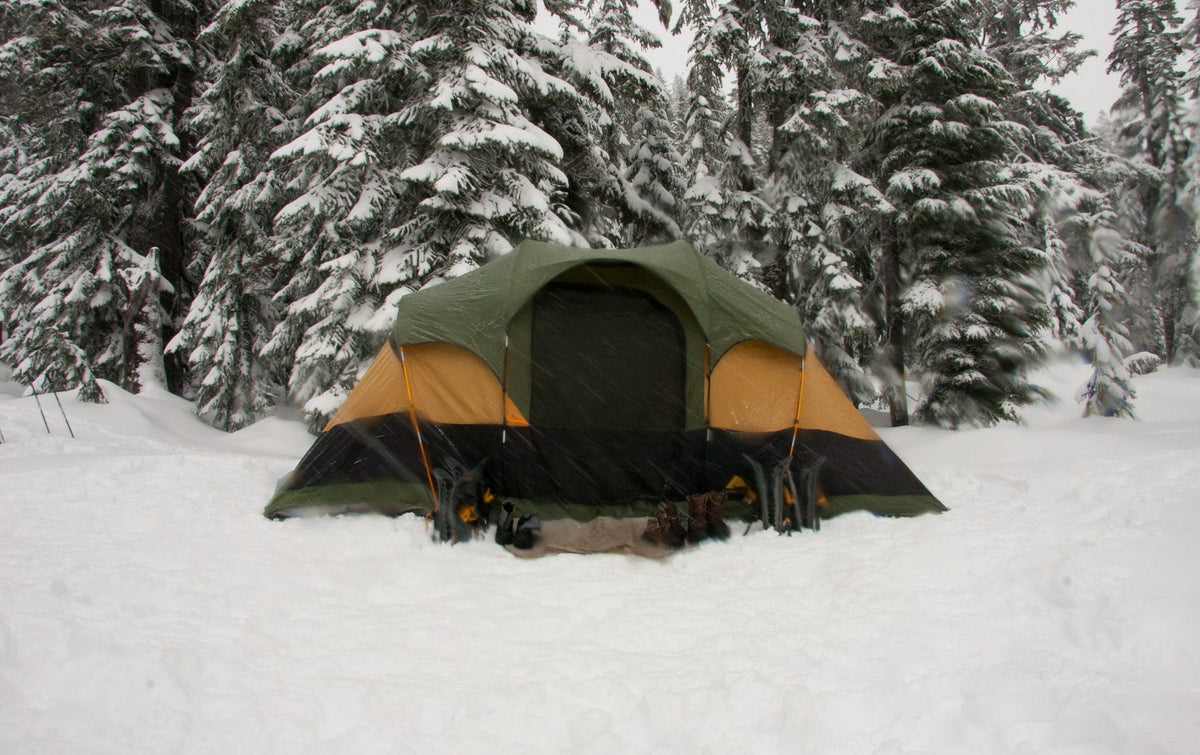
Fall and early winter might be the best camping seasons of all. Campgrounds empty out, bugs disappear, the air is crisp and the stars feel close enough to touch. The trade-off is colder nights and shorter days, which reward a little extra planning.
This guide covers clothing, sleep systems, campsite habits and safety for cold-weather camping. Pack warmth from our heaters and heat packs and sleeping bags.
Dress in layers
- Base layer: merino wool or synthetic fabric that wicks sweat away from your skin.
- Mid layer: fleece or an insulated puffy jacket to trap warmth.
- Shell: a wind and waterproof jacket and pants to keep weather out.
Add a warm hat, gloves or mitts and wool socks. Avoid cotton, which holds moisture and pulls heat from your body.
Pro tip: start hiking or working slightly cool. If you overheat and sweat into your layers, you will be cold the moment you stop.
Build a warm sleep system
Staying warm at night depends on several pieces working together:
- Sleeping bag: look at the comfort rating, not just the lower limit, and choose one rated at or below the night's expected low.
- Sleeping pad: cold ground steals heat fast. Use a pad with enough R-value, or stack a foam pad underneath. See our R-value guide.
- Liner: a sleeping bag liner adds warmth and keeps your bag clean.
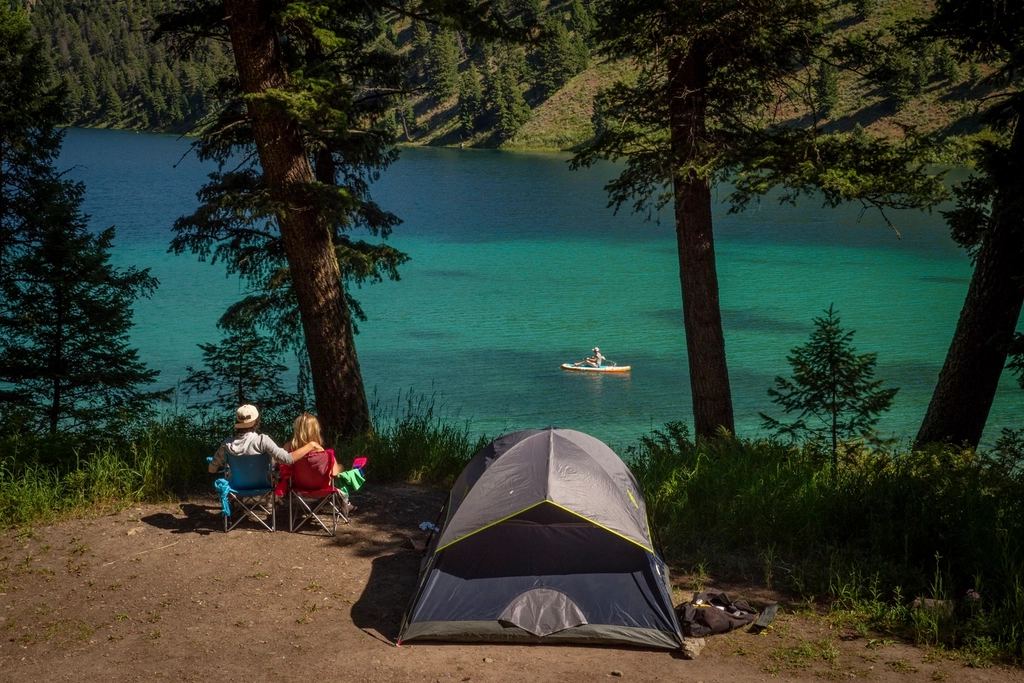
- Tent: a smaller tent heats up faster with body warmth than a large one.
Warm-up tricks that work
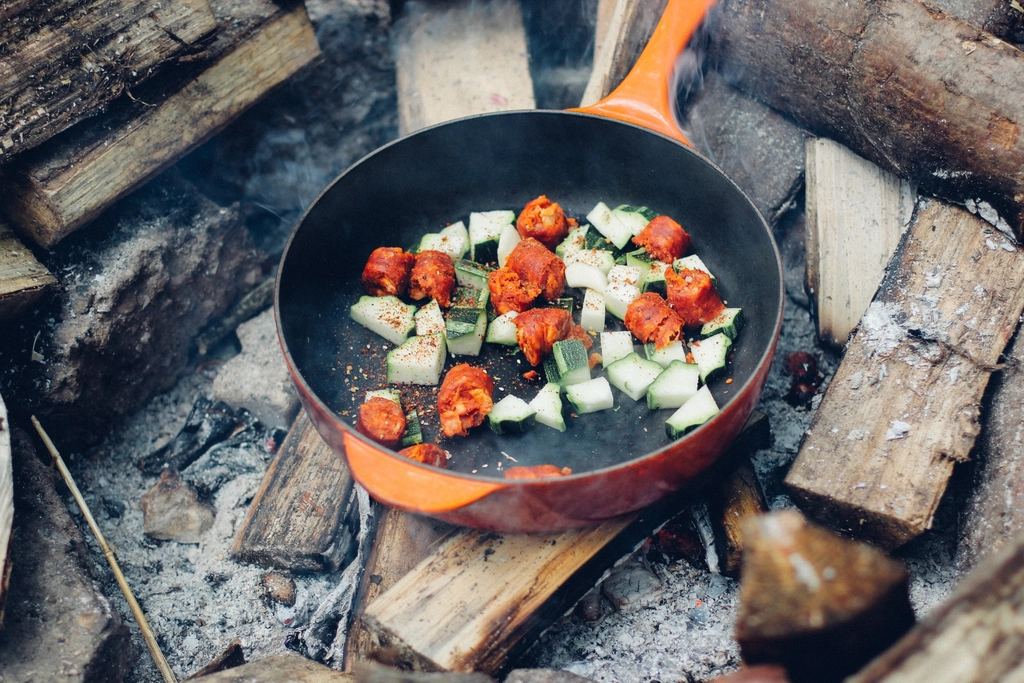
- Eat a hot, calorie-rich dinner and a snack before bed to fuel your body's furnace.
- Fill a sturdy, leak-proof bottle with hot water, close it tightly and tuck it into your bag.
- Change into dry base layers before bed.
- Use hand and foot warmers in gloves and sleeping bag footboxes.
- Go to the bathroom before bed so your body is not wasting heat.
Handle condensation
Cold nights make condensation worse. Ventilate the tent, keep wet gear out of the inner tent and wipe down the walls in the morning. Air out your sleeping bag in the sun during the day if you can.
Plan for short days
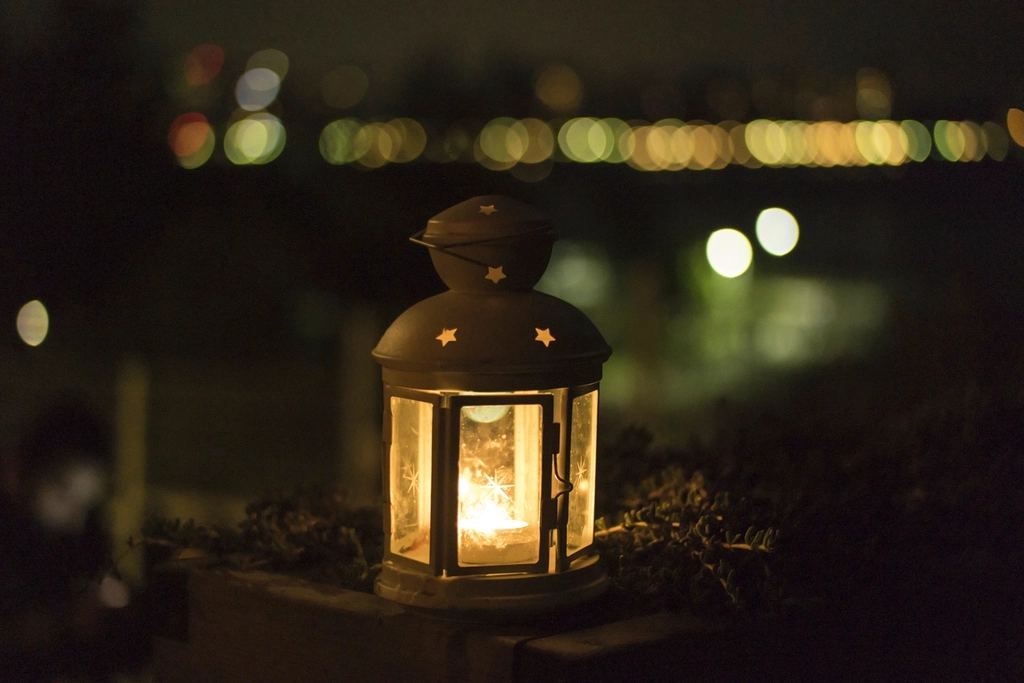
Daylight disappears quickly in fall. Arrive early to set up camp in the light, cook dinner before dark and pack plenty of lighting: a headlamp for everyone and a lantern for camp. Batteries lose capacity in the cold, so keep spares and your phone in an inside pocket.
Stay safe
| Risk | How to manage it |
|---|---|
| Hypothermia | Stay dry, eat and drink regularly, add layers early, watch for shivering and confusion in your group |
| Carbon monoxide | Never use stoves, grills or non-rated heaters inside tents or enclosed spaces |
| Hunting season | Check local seasons and wear blaze orange where hunting is allowed |
| Early darkness | Plan routes and setup times around sunset |
Bottom line
Layer smart, invest in your sleep system and plan around the light. Do that and cold-weather camping trades crowds and bugs for quiet campgrounds, cozy fires and some of the clearest skies of the year.


 Tents & Shelter
 Sleep Systems
 Packs & Hiking
 Camp Kitchen
 Light & Power
 Survival & Skills
 Camping 101
 Fishing