


Many campers blame a cold night on their sleeping bag when the real culprit is underneath them. When you lie down, your body weight crushes the insulation below you flat. That means the ground, which can be far colder than the night air, is pulling heat straight out of your back. Your sleeping pad is the barrier that stops it.
This guide explains R-value, how to choose the right rating and how different pad types compare. Shop our sleeping pads and pair them with the right sleeping bag.
What R-value means
R-value measures thermal resistance, or how well a material resists heat flowing through it. For sleeping pads, a higher R-value means less heat lost to the ground and a warmer night.
In the past, brands tested pads in different ways, so numbers were hard to compare. The industry adopted the ASTM F3340-18 standard, and pads from participating brands are now tested using the same method. When you compare tested ratings, you are comparing like with like.
Which R-value do you need?
| Conditions | Suggested R-value | Notes |
|---|---|---|
| Warm summer nights | About 1 to 2 | Light and packable, can feel cool on damp ground |
| Three-season camping | About 2 to 4 | The sweet spot for most spring, summer and fall trips |
| Cold shoulder seasons | About 4 to 5 | Frosty nights, high elevation and cold sleepers |
| Winter on snow | 5 and up | Often achieved by stacking two pads |
These are general guidelines. Cold sleepers should size up, and the warmth of your bag, tent and clothing all play a part.
The three types of sleeping pad
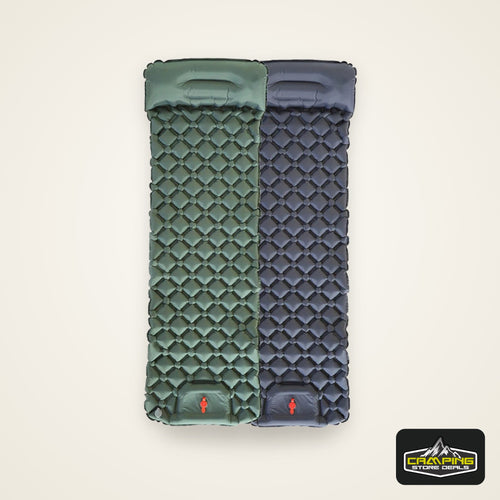
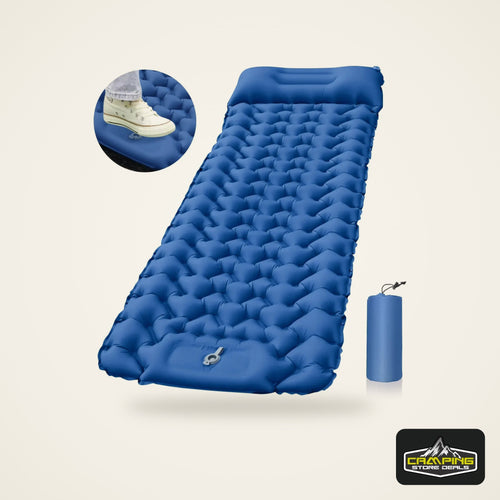
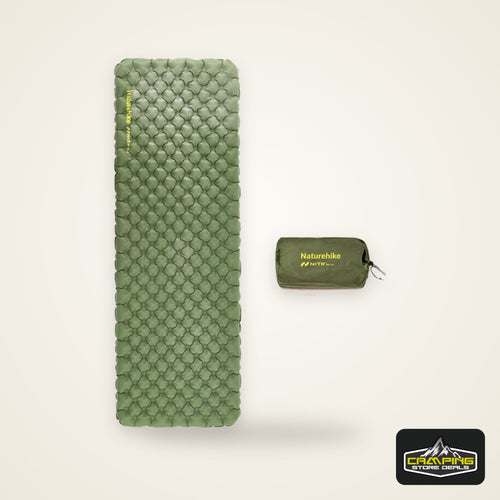
Air pads
Inflatable pads offer the most comfort for their weight and pack down small. Insulated models use reflective layers or synthetic fill to reach high R-values. They can puncture, so carry a repair kit.
Self-inflating pads
Open-cell foam inside an airtight shell expands when you open the valve. They balance comfort, warmth and durability well and are a favorite for car camping, though they are bulkier.
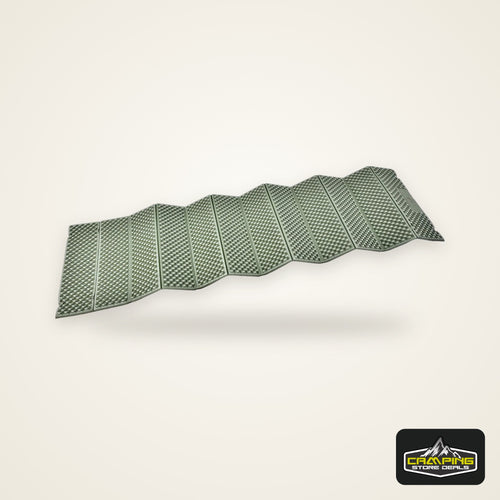
Closed-cell foam pads
Simple foam pads are nearly indestructible, inexpensive and work instantly. They are less cushioned and bulkier to carry but make an excellent base layer for winter or a sit pad around camp.
Stacking pads for extra warmth
R-values are additive. Put a closed-cell foam pad under an inflatable pad and you add their R-values together, while the foam protects the air pad from sharp rocks and frozen ground.
Pro tip: for winter, place the foam pad on the bottom. The air pad on top gives comfort, and if it ever deflates you still have insulation beneath you.
Comfort factors beyond R-value
- Thickness: side sleepers usually want more depth so hips and shoulders do not touch the ground.
- Width and shape: wide or rectangular pads stop you rolling off; mummy shapes save weight.
- Noise: some insulated air pads crinkle; quieter fabrics help light sleepers.
- Valve design: fast inflate and deflate valves make setup and packing easier.
Care and repair
Clear the ground of sharp debris, use a tent footprint where appropriate, store inflatable pads unrolled with the valve open at home, and carry a patch kit. Inflating with a pump sack instead of your breath keeps moisture out of insulated pads.
Bottom line
Choose your pad's R-value for the coldest night you expect, compare tested ratings and stack a foam pad when temperatures drop. Get the ground right and your sleeping bag can finally do its job.


 Tents & Shelter
 Sleep Systems
 Packs & Hiking
 Camp Kitchen
 Light & Power
 Survival & Skills
 Camping 101
 Fishing