

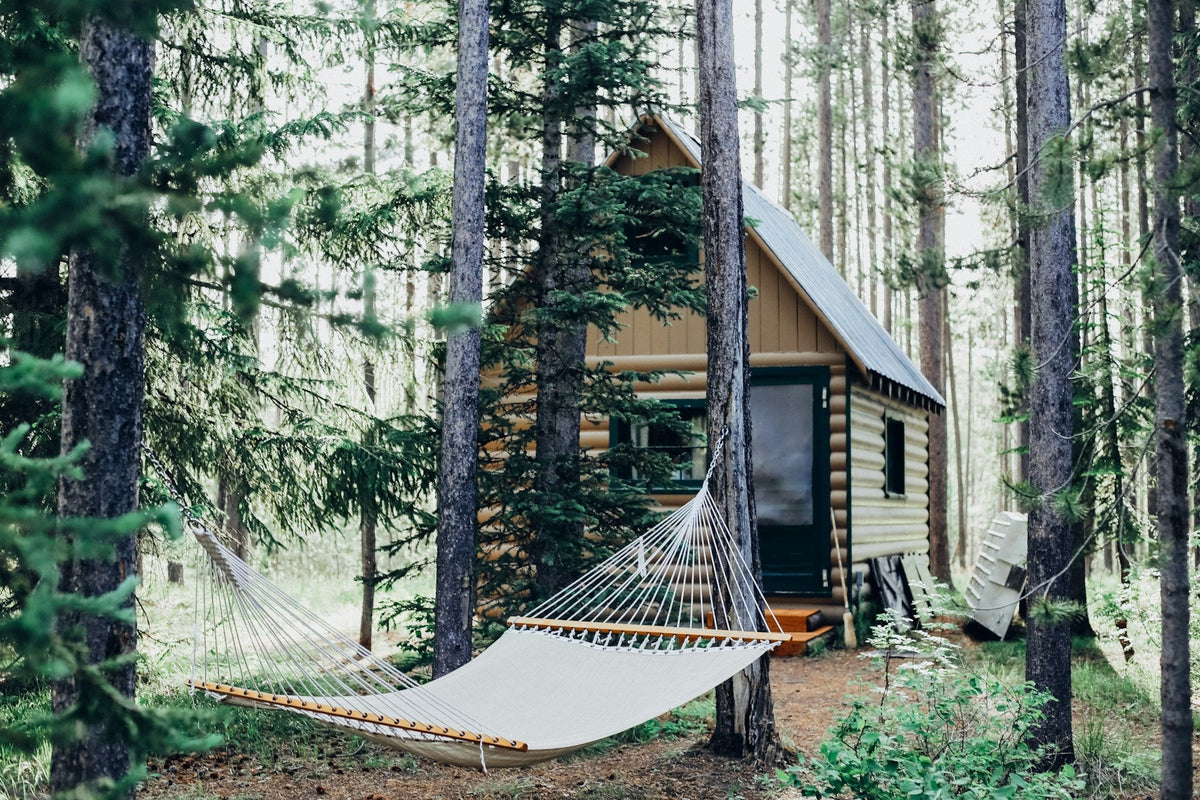
Hammock campers love to say they will never go back to the ground. No rocks, no roots, no sloping tent site and a gentle sway that sends you to sleep. The catch is that hammock camping has its own techniques. Get them right and it is one of the most comfortable ways to sleep outside.
Here is everything you need to know to hang, sleep and stay warm on your first night. Explore our hammock collection.
What you need
- Hammock: gathered-end hammocks are the most common camping style.
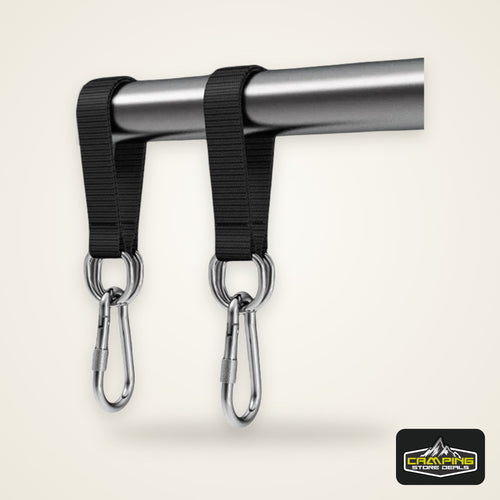
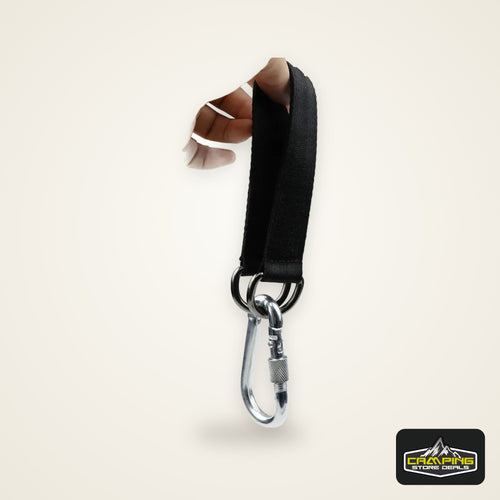
- Suspension: wide tree straps with loops or buckles for easy adjustment.
- Bug net: integrated or separate, essential in warm months.
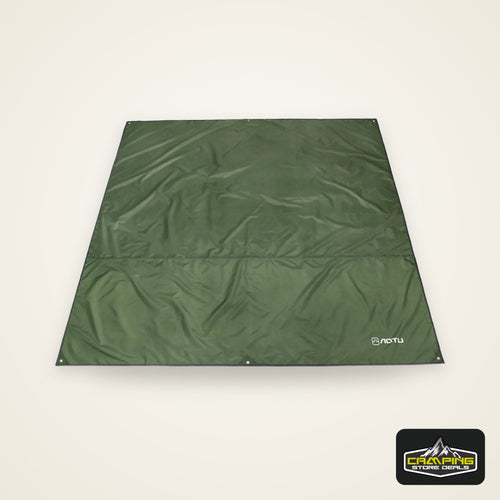
- Rain tarp: pitched over the hammock for weather protection.
- Insulation: an underquilt or sleeping pad, plus a top quilt or sleeping bag.
Choosing your trees
Pick two healthy, living trees thick enough to support your weight, and look up for dead branches before you commit. Many hammocks hang well with trees roughly 12 to 15 feet apart. Avoid hanging over water, slopes you could roll down or game trails.
Important: use wide straps, at least about an inch wide, to protect bark, and follow park rules. Some locations do not allow hammocks on trees at all.
The 30-degree hang
The most common beginner mistake is hanging the hammock too tight. A tight, flat hammock squeezes you like a banana peel. Instead, aim for straps angled about 30 degrees from horizontal, which creates a deep, relaxed sag. Hang the strap attachment points around head height and adjust so the lowest point of the hammock sits roughly at chair height.
Lie diagonally for a flat sleep
In a gathered-end hammock, lying straight along the centerline curves your body. Instead, angle your body about 15 to 30 degrees off center, head on one side and feet on the other. The fabric flattens out and you get a surprisingly flat, back-friendly position. Many people find side sleeping comfortable this way too.
Staying warm: insulate the underside
Hammocks have a well-known problem nicknamed "cold butt syndrome". Air flowing under the hammock steals heat, and the insulation in your sleeping bag is crushed beneath you, so it barely helps.
| Option | Pros | Cons |
|---|---|---|
| Underquilt | Warmest and most comfortable, hangs outside the hammock | Extra cost and weight |
| Sleeping pad inside | Uses gear you may already own | Can slide around; a wider pad helps |
| Top quilt | Easier to use in a hammock than a zipped bag | Pairs with underside insulation, not a replacement |
Pro tip: even in summer, nights can feel cool in a hammock. Bring more underside insulation than you think you need, and learn what R-value to look for.
Pitching the tarp
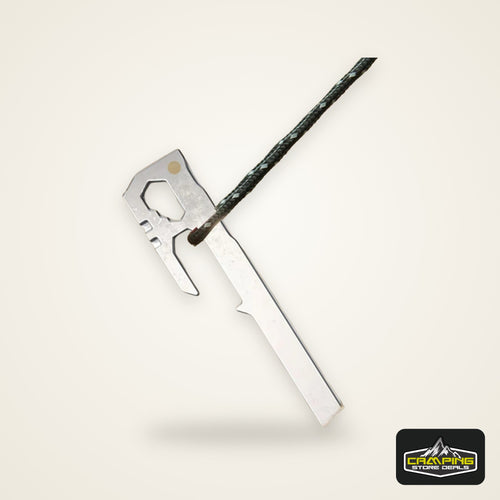
Hang a ridgeline above the hammock and drape the tarp over it, angled down on each side. Stake the corners low in wind and rain, or pitch it high for views in fair weather. Tie short drip lines on the hammock suspension so rain running down the straps falls off before reaching you.
Packing and practice
Practice your hang in the backyard or a local park first. Keep a small stuff sack clipped to the ridgeline for your phone, glasses and headlamp. Pack the hammock and straps where you can reach them first, so camp is up in minutes.
Bottom line
Hang loose at about 30 degrees, lie diagonally and insulate underneath. Nail those three and hammock camping will be one of the best nights of sleep you have outdoors.


 Tents & Shelter
 Sleep Systems
 Packs & Hiking
 Camp Kitchen
 Light & Power
 Survival & Skills
 Camping 101
 Fishing