

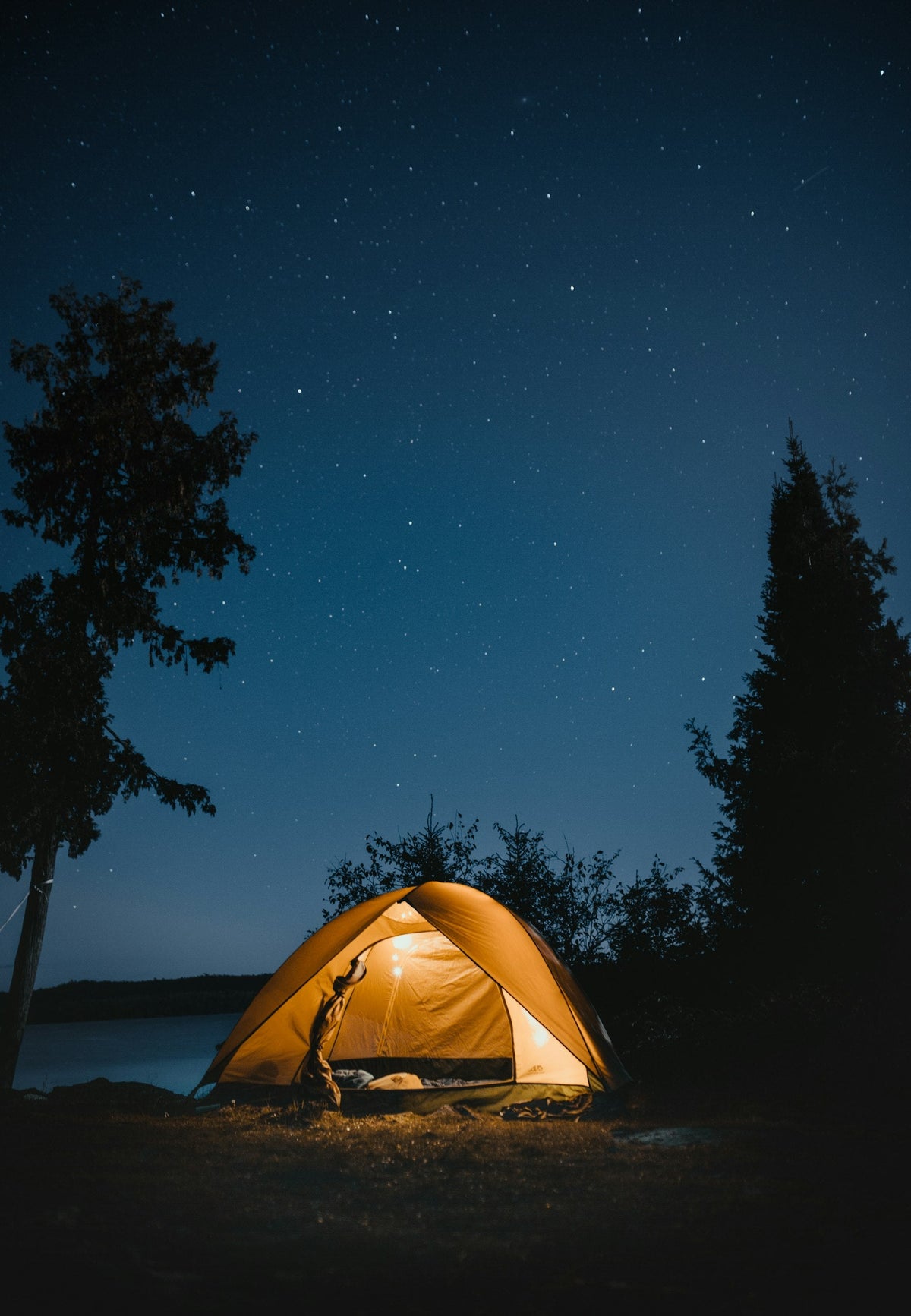
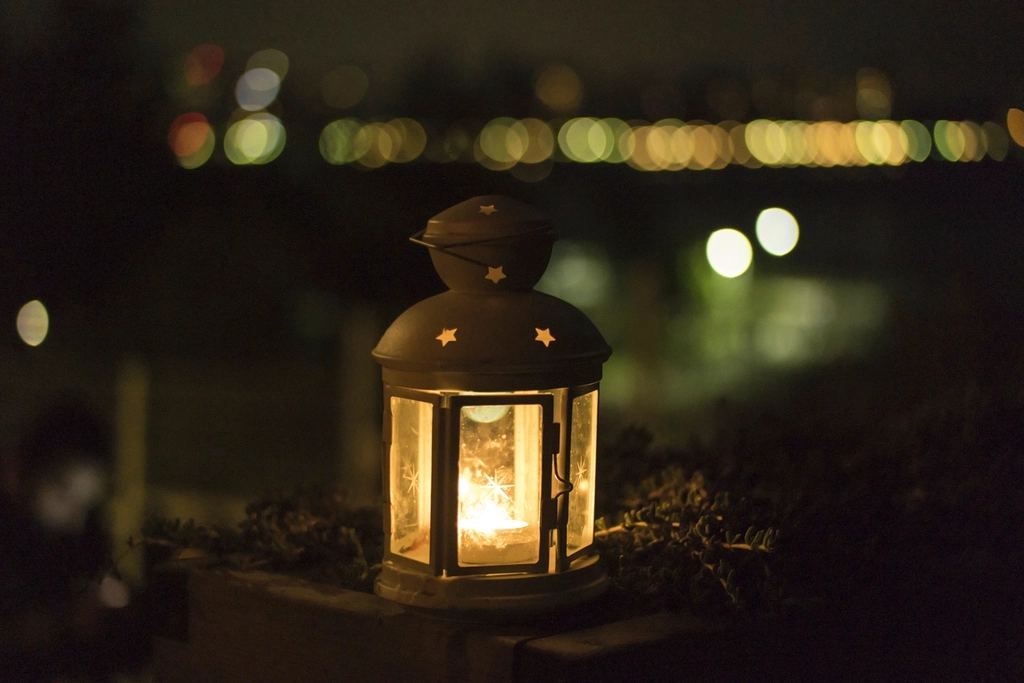
Good lighting changes how a campsite feels. Too little and you are hunting for the bottle opener with your phone. Too much and the site feels like a parking lot, the bugs swarm and nobody can see the stars. The answer is layered lighting, the same approach designers use in a home, adapted for the outdoors.
Here is how to choose the right lanterns and arrange them for a site that is practical, cozy and easy on everyone's eyes. Shop our camping lanterns and lighting collection.
The three layers of campsite light
- Ambient light: a soft lantern that lights the general area, hung or placed centrally.
- Task light: focused light where you cook, clean and prep, so you can see what you are doing.
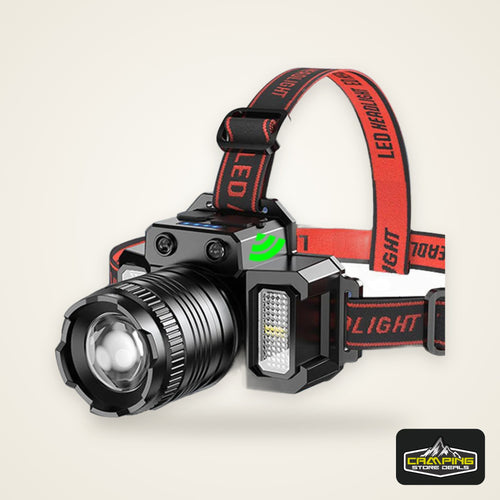
- Personal light: a headlamp for every person to move around, find gear and visit the restroom.
With all three, you never need to blast a single bright light across the entire site.
Choosing a lantern: what to look for
- Brightness range: 100 to 300 lumens covers most needs. A dimmer is more useful than a huge maximum.
- Color temperature: warm light, roughly 2700 to 3000K, is relaxing and flattering. Some lanterns let you switch between warm and cool.
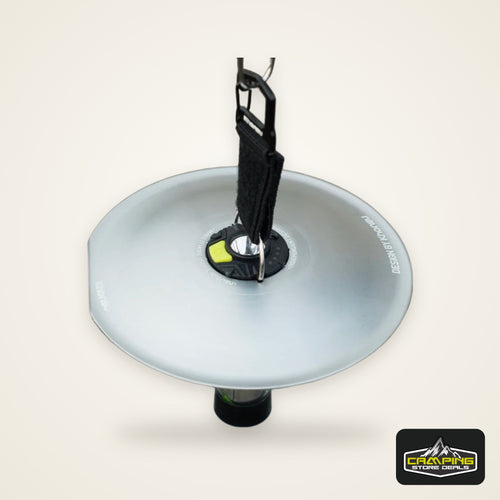
- Diffusion: frosted globes spread light evenly and reduce glare.
- Power: rechargeable lithium batteries are convenient and economical. Look for USB charging and a battery indicator.
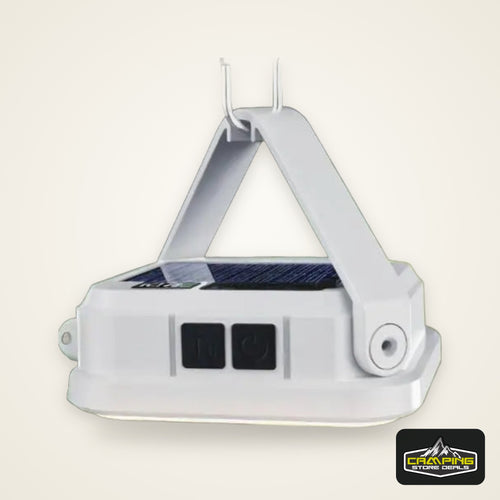
- Hanging options: a hook or loop lets you hang it from a tent ceiling, tarp ridgeline or branch.
- Durability: water resistance and an impact-resistant body survive real camp life.
LED vs fuel lanterns
| Type | Strengths | Watch-outs |
|---|---|---|
| Rechargeable LED | Safe in tents, no fumes, long runtime, quiet | Needs charging on long trips |
| Battery LED | Easy to power anywhere | Ongoing battery cost |
| Propane or liquid fuel | Very bright, adds a little warmth | Hot, noisy, produces carbon monoxide, outdoor use only |
Safety: never use a fuel-burning lantern inside a tent, camper or any enclosed space. Carbon monoxide gives no warning.
Where to place your lights
Hang your ambient lantern a little above head height near the center of the site, or on a pole beside the table. Put task lighting right over the cook area. Keep bright lights out of people's eye line, and if you want to stargaze, switch everything to its lowest setting or red mode.
Pro tip: put a second small lantern a short distance from where you are sitting. It draws curious insects away from the table while you enjoy softer light.
Keeping bugs away from the light
Many flying insects are drawn to blue and ultraviolet light, so warm or amber light generally attracts fewer of them. Combine warm lighting with smart placement, clean cooking areas and repellent from our bug and sun protection range for a far more pleasant evening.
String lights and tent lights
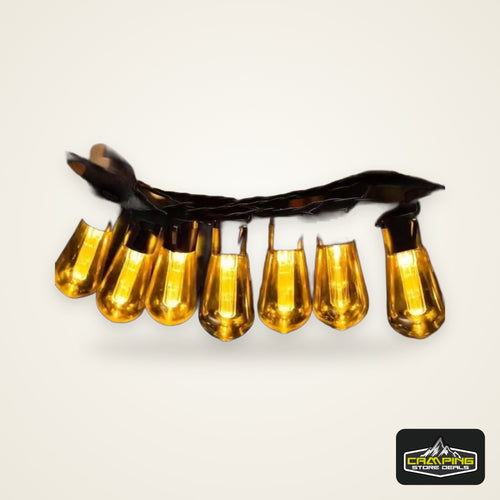
LED string lights make a campsite feel magical and help people find guylines and the tent door in the dark. Solar or USB string lights are easy to pack. Inside the tent, a small dimmable lantern hung from the ceiling loop is perfect for reading and changing.
Keep everything charged
Charge every light before you leave and pack USB cables in one pouch. For longer trips, a power bank or a portable power station in the car keeps lanterns, headlamps and phones topped up.
Bottom line
Use warm, dimmable LED lanterns, layer your light and keep it low and out of people's eyes. Your campsite will be easier to live in, kinder to your neighbors and much better for watching the stars.


 Tents & Shelter
 Sleep Systems
 Packs & Hiking
 Camp Kitchen
 Light & Power
 Survival & Skills
 Camping 101
 Fishing