

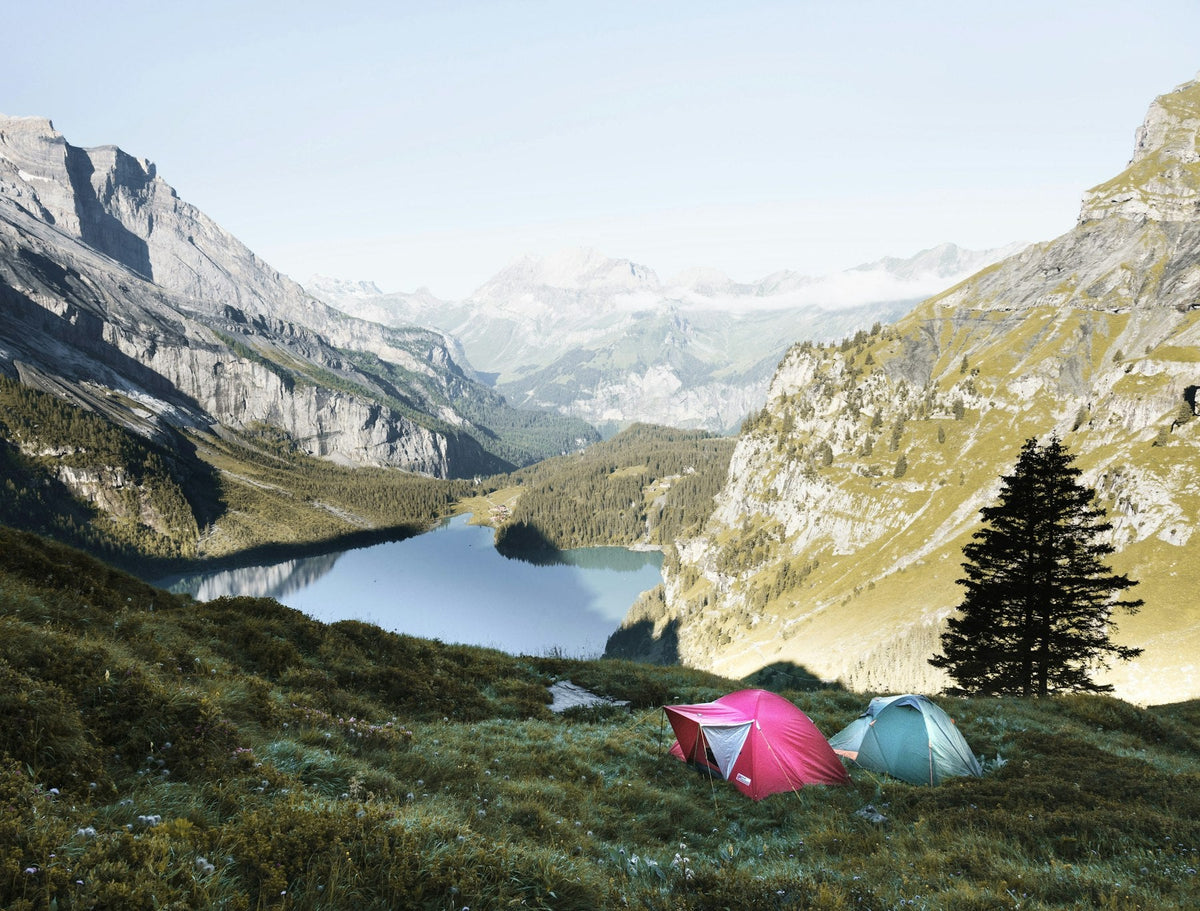
A clear mountain stream looks like the cleanest water on earth, but appearance tells you very little. Microorganisms that cause stomach illness are invisible, and they can come from wildlife, livestock or people upstream. Treating your water is one of the simplest habits that keeps a great trip from turning into a miserable one.
This guide explains what each treatment method actually removes, how they compare in the field and how to build a simple, reliable water system. You can compare options in our water treatment collection.
What you are protecting against
Waterborne threats fall into three groups, and they matter because different methods handle them differently:
- Protozoa such as Giardia and Cryptosporidium are relatively large and are removed by most filters. Cryptosporidium is notably resistant to some chemical treatments.
- Bacteria such as E. coli and Salmonella are smaller but are still removed by quality microfilters.
- Viruses such as norovirus and hepatitis A are far smaller and pass through typical filters. You need a purifier, chemical treatment, UV light or boiling.
Chemical pollutants, such as agricultural runoff or mine tailings, are a separate issue. Most portable systems are not designed for them, so the best defense is choosing a cleaner source.
Water filters
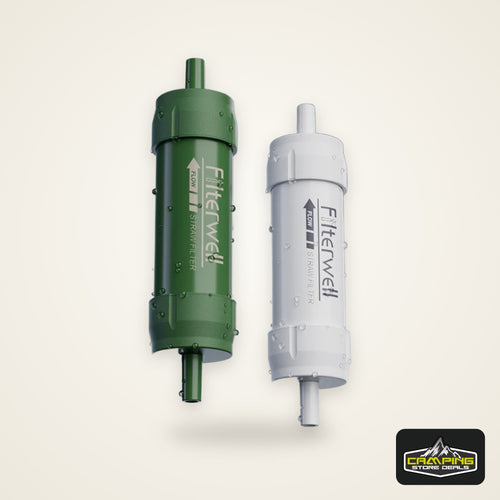
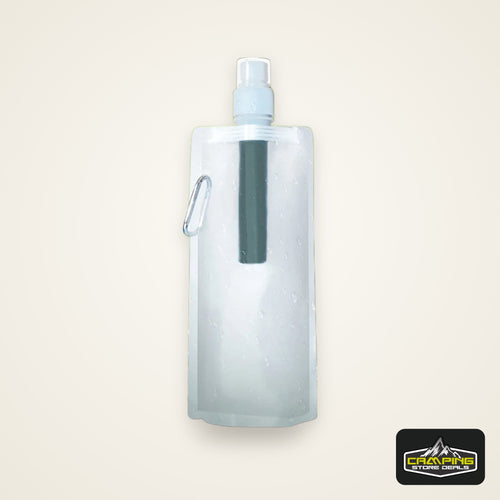
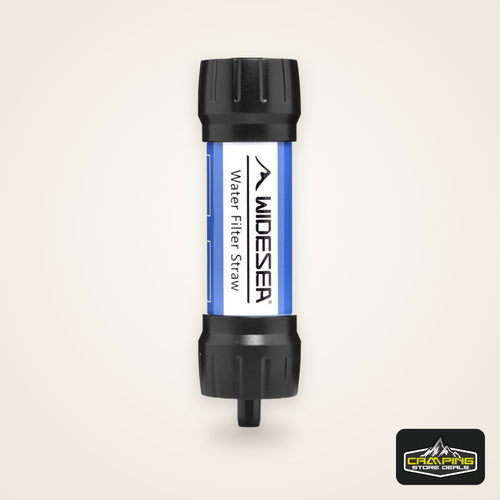
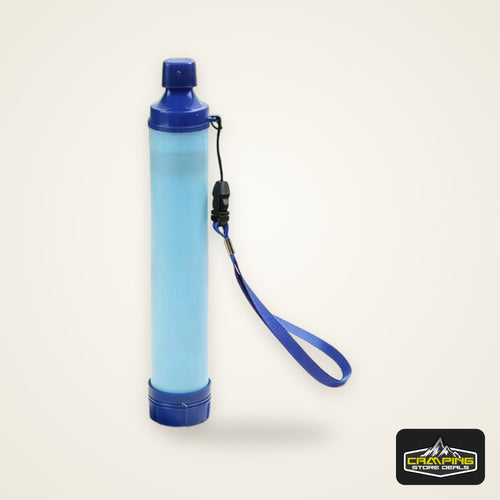
Most popular backcountry filters use hollow-fiber membranes with tiny pores, often around 0.1 to 0.2 microns. Water passes through and protozoa and bacteria are left behind. They come as squeeze filters that thread onto soft bottles, inline filters for hydration systems, gravity filters that work while you set up camp and pump filters for shallow or awkward sources.
Filters work instantly, add no taste and are reusable for thousands of liters when maintained. Their limits are viruses, freezing and clogging in silty water.
Pro tip: pre-filter murky water through a bandana or let it settle in a pot for a few minutes first. Your filter will flow faster and last much longer.
Water purifiers
A purifier is rated to remove or inactivate viruses as well as bacteria and protozoa. Some use much finer membranes, some combine a filter with a chemical stage and some use electrically charged media. They are the right call for international travel, areas with heavy human use upstream and anyone who wants maximum peace of mind.
Chemical treatment: tablets and drops
Chlorine dioxide tablets and drops are light, cheap and handle bacteria and viruses well. They also work against protozoa, but some, especially Cryptosporidium, need a much longer contact time, often up to four hours depending on the product. Cold water slows everything down, so always follow the label.
Chemical treatment is a perfect backup to carry even if you use a filter, because it weighs almost nothing and covers you if your filter clogs or freezes.
UV light pens
UV purifiers scramble the DNA of microorganisms so they cannot reproduce. They are fast, usually treating a liter in about a minute, and leave no taste. They need clear water to work, depend on batteries, and do nothing to remove sediment, so pair them with a pre-filter in murky conditions.
Boiling
Boiling is the gold standard for killing pathogens. The CDC recommends a rolling boil for one minute, or three minutes above about 6,500 feet. It needs no special gear beyond a stove and pot, but it costs fuel and time and leaves you waiting for water to cool.
Comparison at a glance
| Method | Protozoa | Bacteria | Viruses | Speed | Best for |
|---|---|---|---|---|---|
| Hollow-fiber filter | Yes | Yes | No | Instant | Most North American backcountry |
| Purifier | Yes | Yes | Yes | Instant to minutes | Travel, high-use areas |
| Chlorine dioxide | Yes, with long wait for Crypto | Yes | Yes | 30 min to 4 hrs | Backup, ultralight |
| UV pen | Yes | Yes | Yes | About 1 min per liter | Clear water, fast treatment |
| Boiling | Yes | Yes | Yes | Minutes plus cooling | Camp kitchens, cold weather |
Build a simple, reliable water system
- Choose the clearest, fastest-moving source you can safely reach, away from trails and campsites.
- Collect with a dedicated dirty bottle or bag and keep it separate from clean bottles.
- Pre-filter cloudy water through cloth or let it settle.
- Treat with your main method, and carry tablets as a backup.
- Store treated water in clean bottles or a hydration reservoir.
Important: never let a hollow-fiber filter freeze. In cold weather keep it in a pocket during the day and in your sleeping bag at night.
Bottom line
For most three-season trips in North America, a good filter plus a few backup tablets is a light and dependable setup. Travel or high-use areas call for a purifier, UV or boiling. Whatever you choose, treat every source, keep dirty and clean containers separate and wash or sanitize your hands before you eat.


 Tents & Shelter
 Sleep Systems
 Packs & Hiking
 Camp Kitchen
 Light & Power
 Survival & Skills
 Camping 101
 Fishing