

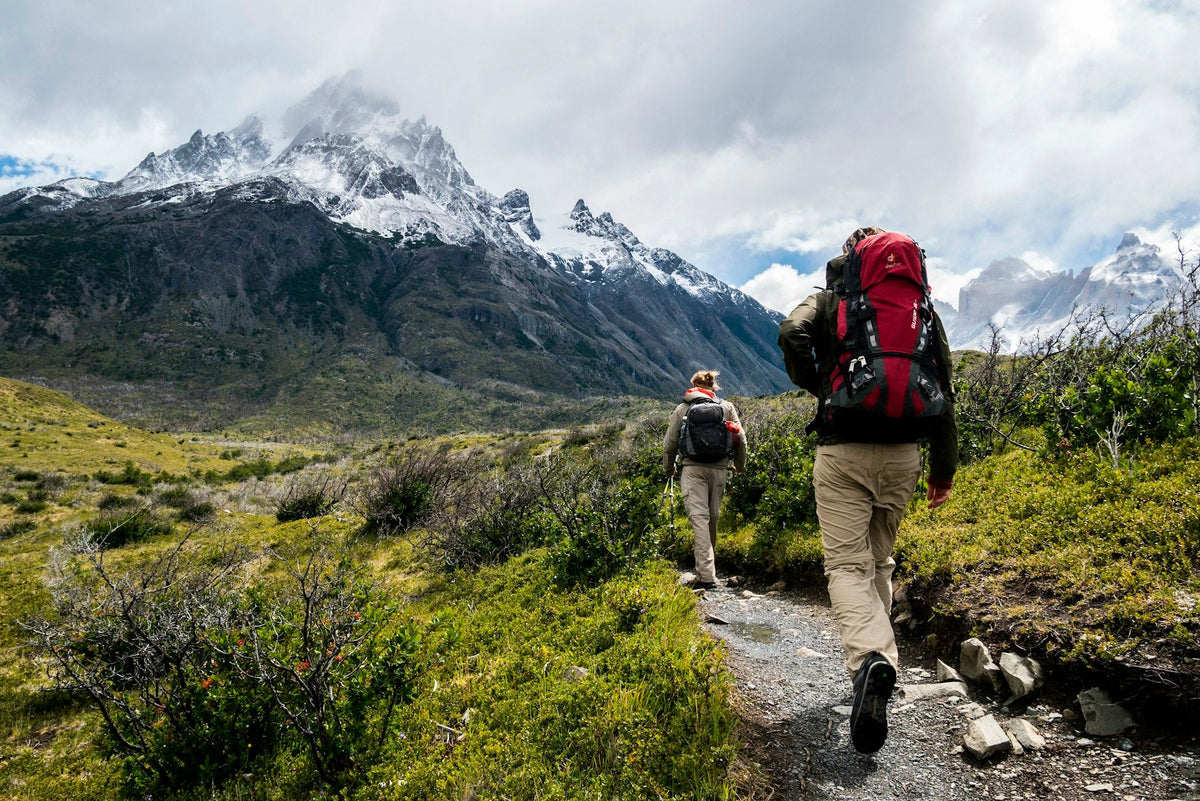
Backpacking is a different commitment than car camping. When you're carrying everything you need for days or weeks in a pack on your back, every decision about what to bring is also a decision about how much weight you're willing to carry up a 3,000-foot climb. The gear conversation becomes specific: ounces matter, packability matters, and the margin between "this works" and "this is a problem" narrows considerably once you're three days from a trailhead.
At Camping Store Deals, we've equipped backpackers from first-timers to multi-season trail regulars. Our position on backpacking gear is the same as it is on all gear: the price tag isn't the quality indicator. There's excellent backpacking gear available at prices well below the flagship products from premium outdoor brands, and we've made it our business to carry it. This guide tells you what to look for and why—and gives you a clear path to a capable backpacking kit at a price that won't keep you out of the backcountry.
The Backpacker's Big Three: Pack, Tent, Sleep System
Every experienced backpacker knows the "big three"—the pack, tent, and sleep system that account for the majority of your pack weight and the majority of your comfort. Optimizing these three categories is where weight savings and money are best spent.
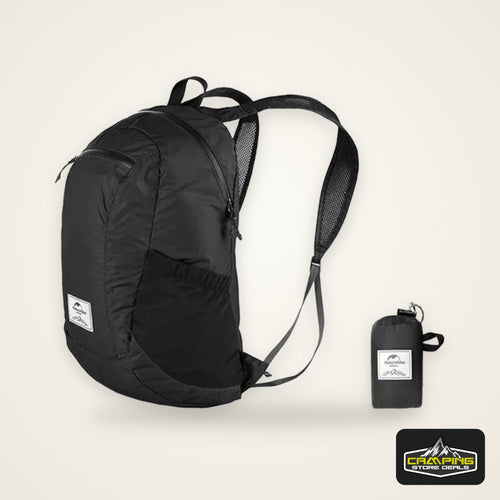
The Backpacking Pack: Fit Over Brand
A backpacking pack that doesn't fit your torso and hip structure will make every mile harder than it needs to be. Torso length—not height—determines pack fit. Measure your torso from the C7 vertebra at the base of your neck to the iliac crest at the top of your hip bone. Most packs come in small, medium, and large based on torso length. Get this right before buying.
For capacity: a 50–65 liter pack handles three to seven day trips for most campers. Under 45 liters is a weekend pack for experienced ultralight hikers. Over 70 liters is for extended expeditions or hikers who haven't learned to pack efficiently yet. Internal frame packs distribute weight better than external frame for technical terrain. Adjust the hip belt to carry 70–80 percent of pack weight on your hips—if your shoulders are taking most of the load, the pack doesn't fit or isn't adjusted properly.
The Backpacking Tent: Weighing Your Options
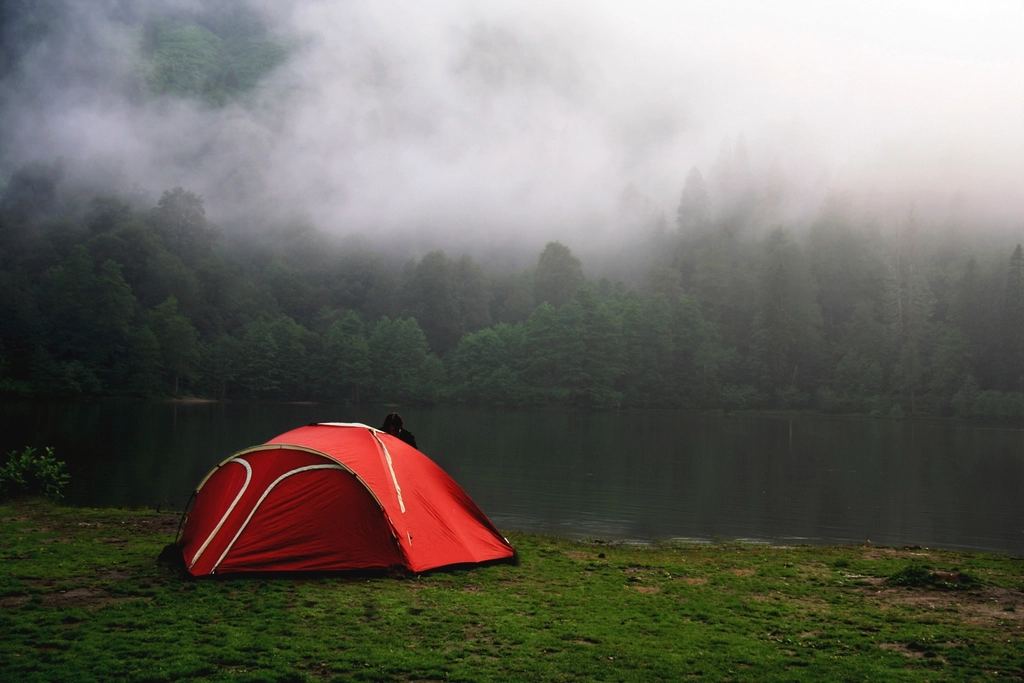
A two-person backpacking tent that weighs under four pounds total (tent body, poles, and fly) is achievable at non-premium prices in 2026. The key variables: freestanding versus semi-freestanding (freestanding is easier; semi-freestanding is lighter), single versus double-wall (single-wall is lighter but more prone to condensation), and vestibule space for wet gear storage.
For most backpackers, a semi-freestanding single-wall design with two vestibules and a center ridgeline that fits two sleeping pads side by side represents the right balance. Setup takes practice—learn it at home before your first backcountry night. We carry backpacking tents in the two-to-four-pound range at prices that make getting into the category financially reasonable.
The Backpacking Sleep System: Matching Insulation to Conditions
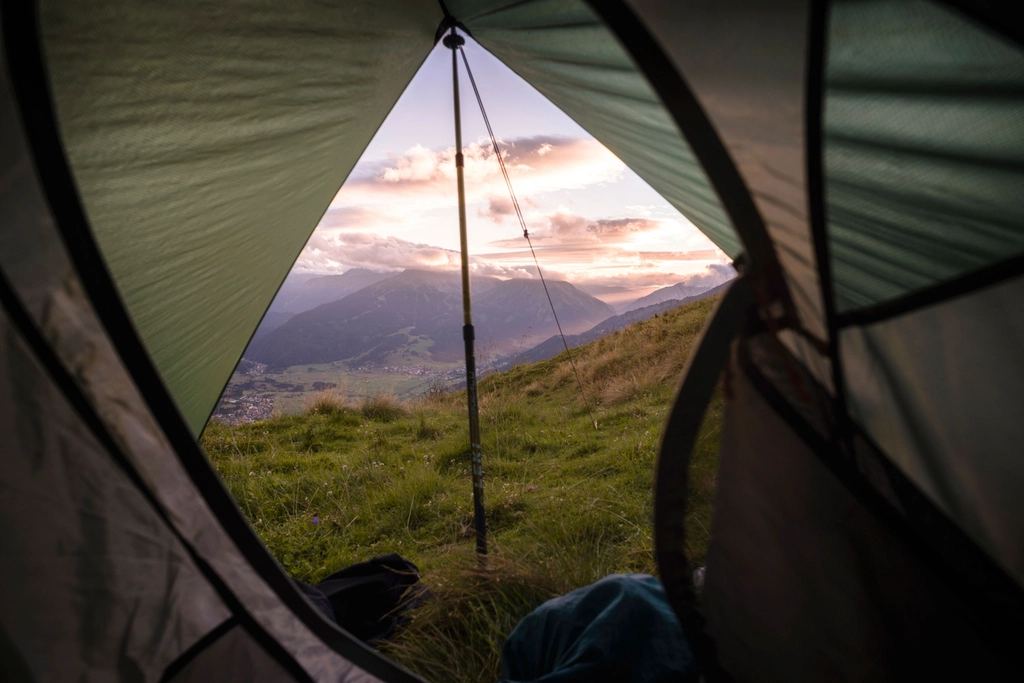
A backpacking sleep system is a sleeping bag and sleeping pad matched to each other and to your expected conditions. The sleeping pad's R-value and the bag's temperature rating work together. A low-R-value pad (1.5–2.0) paired with a 15°F bag might leave you cold at actual 35°F temperatures because ground conduction is stealing your warmth faster than the bag can replace it.
For three-season backpacking in most of North America: a 20–30°F sleeping bag in mummy form, and a sleeping pad with R-value of 2.5–3.5. Down fill bags in this range that pack to the size of a Nalgene bottle are available under $120 at Camping Store Deals. Pair with a self-inflating or compact air pad under 20 ounces. This combination handles late spring through early fall camping with appropriate layering in the bag.
The Backpacking Kitchen
Stove Systems
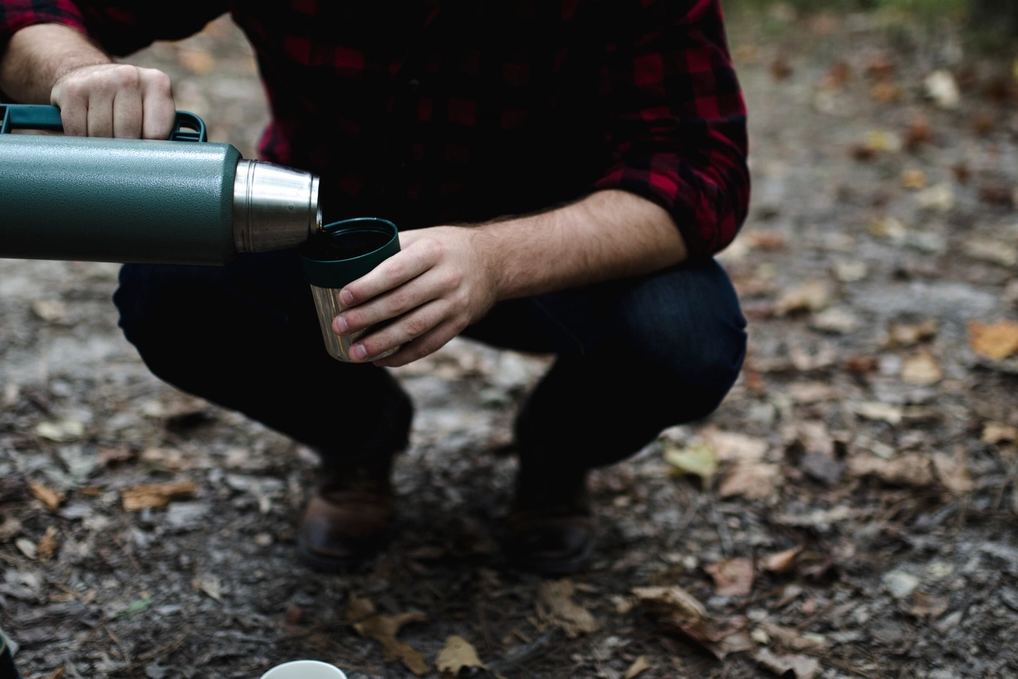
A canister stove—a small burner that threads onto a fuel canister—is the standard backpacking stove for its combination of reliability, simplicity, and weight. Under four ounces for the stove unit, with canisters available in sizes that match trip length. A canister stove boils a liter of water in four to five minutes at sea level, slightly longer at altitude. Combined with a titanium or hard-anodized aluminum cookpot in the 700–900ml range, you have a complete backpacking kitchen under 12 ounces total.
Alcohol stoves are lighter but slower and can't be used in high wind or at elevation without a windscreen. Wood-burning stoves eliminate fuel weight but require dry wood, which isn't always available. For reliability across conditions, the canister stove remains the most sensible choice for backpacking in 2026.
Water Treatment
Every backpacker needs a method for making backcountry water safe to drink. Options in order of weight: chemical treatment tablets (lightest, slowest, leaves aftertaste), UV treatment (fast, no chemicals, requires battery), squeeze filter (effective, reliable, slightly heavier), and gravity filter (best for groups, heaviest). For solo and duo backpacking, a squeeze filter in the 3-ounce range handles most backcountry water needs effectively. We carry water filtration options starting under $25.
Navigation and Safety Gear
Backpacking navigation starts with a downloaded offline map of your route and ends with knowing how to read a topo map and use a compass if your phone dies. The app-plus-backup-map system handles 95 percent of backcountry navigation situations. The remaining 5 percent—when technology fails in terrain that matters—is what a physical compass and topo map handle. Carry both.
An emergency whistle, a fire starter, a space blanket, and a small signaling mirror add under four ounces to your pack and cover the most likely survival scenarios if you're injured and waiting for help. These aren't dramatic additions—they're baseline safety that every backpacker should carry.
The First-Time Backpacker's Gear Approach
Start with a shakedown trip. A shakedown is a one-night trip close to a trailhead where discovering that something doesn't work doesn't strand you for three more days. Take it seriously—carry everything you plan to bring on longer trips. Sleep in your sleeping bag. Use your stove. Use your water filter. Note what worked and what didn't.
Every experienced backpacker has a shakedown trip horror story where they discovered something critical was missing or broken. The difference is that they discovered it one mile from their car, not eight miles from the nearest exit. Build that trip into your first season and it will save you significant discomfort later.
Building a Backpacking Kit at Camping Store Deals
A complete entry-level backpacking kit—pack, tent, sleep system, stove, water filter, and navigation—assembled from our inventory comes in well under $400. That's a number that sounds significant and isn't, compared to the cost of seasons of outdoor experience, the physical and mental health benefits of time in wilderness, and the years of use you'll get from gear maintained and used responsibly. Camping Store Deals' lowest-price guarantee means you're starting from the most competitive price available. After that, experience is the teacher. And it's free.
Pro tip: go deeper with these related guides: Essential Backpack Accessories for Every Trip, Best Hiking Child Carriers for Family Trips, Lumbar Pack Buying Guide.


 Tents & Shelter
 Sleep Systems
 Packs & Hiking
 Camp Kitchen
 Light & Power
 Survival & Skills
 Camping 101
 Fishing