

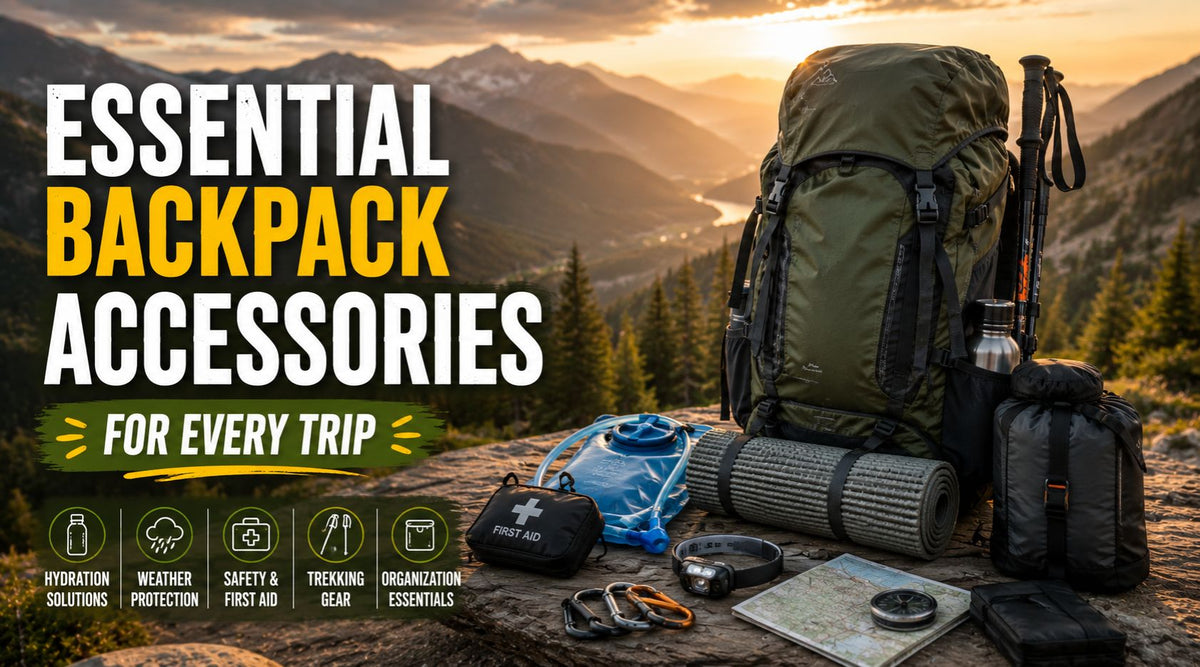
A great backpack is only half the equation. The other half is what you add to it, the small pieces of gear that protect your load, keep it organized, and make a long day on the trail noticeably more comfortable. This guide to essential backpack accessories covers everything worth adding to your pack, from weather protection to organization tools, so you are not caught off guard on your next trip.
By the end, you will know exactly which accessories matter most, and you can browse our full Backpack Accessories collection to round out your setup before your next hike.
Why Backpack Accessories Matter More Than People Think
It is easy to focus all your attention on the pack itself and treat accessories as an afterthought. In reality, the right add ons often solve the exact problems that make a trip uncomfortable: gear getting wet, items shifting around inside the main compartment, or straps digging in after a few hours of walking. A well chosen set of hiking backpack accessories can extend the life of your pack, protect your other gear, and make the difference between a trip you enjoy and one you are constantly adjusting your way through.
Think of accessories as the details that turn a good pack into a fully functional system built around how you actually hike.
Weather Protection Accessories
Rain covers. Even a pack labeled water resistant can let moisture through during sustained rain. A dedicated rain cover slips over the outside of your bag and keeps everything inside dry, which matters most when your sleeping bag or electronics are packed inside.
Dry bags. For items that absolutely cannot get wet, like a phone, spare clothes, or a first aid kit, a dry bag adds an extra layer of protection inside your main compartment, even if you are already using a rain cover.
Pack liners. A simple waterproof liner placed inside your pack before loading gear is a lightweight backup option, especially useful on multi day trips where a rain cover alone might not be enough during extended downpours.
Organization Accessories
Compression sacks. These reduce the bulk of items like sleeping bags or clothing layers, freeing up space and helping distribute weight more evenly throughout your pack.
Packing cubes or stuff sacks. Separating gear into labeled sacks makes it much easier to find what you need without unpacking your entire bag at camp, especially useful for multi day trips with a lot of small items.
Hip belt pockets. If your pack does not already include them, add on hip belt pockets give you quick access to snacks, a phone, or a map without needing to take the pack off.
Carabiners and gear clips. Small but useful, these let you attach items like a water bottle, sunglasses case, or trekking pole straps to the outside of your pack for faster access.
Hydration and Water Accessories
Hydration bladder sleeves. If your pack does not include one built in, an add on sleeve lets you carry a hydration pack style reservoir for hands free drinking on the move.
Water bottle holders. External side pockets or clip on holders make it easy to grab water without stopping to dig through your main compartment.
Backpack water treatment attachments. Some packs support attachable filters or purification accessories, which is worth considering for longer trips where refilling from natural water sources is part of the plan.
Comfort and Fit Accessories
Padded shoulder strap covers. These add extra cushioning to straps that may not have enough padding for longer hikes, reducing pressure points over time.
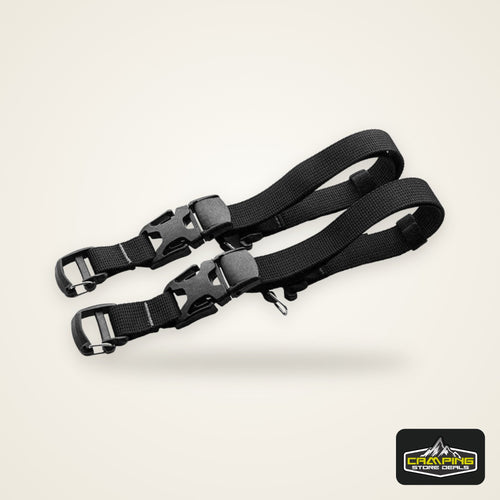
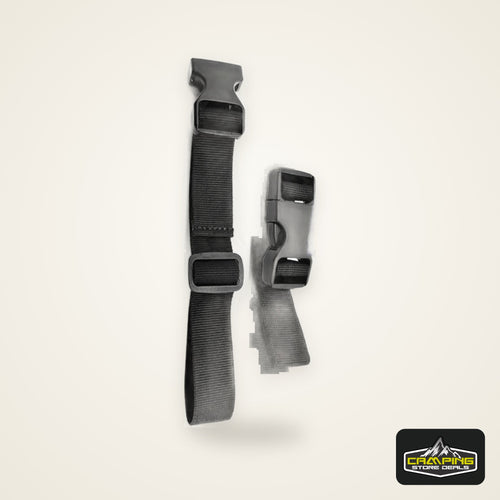
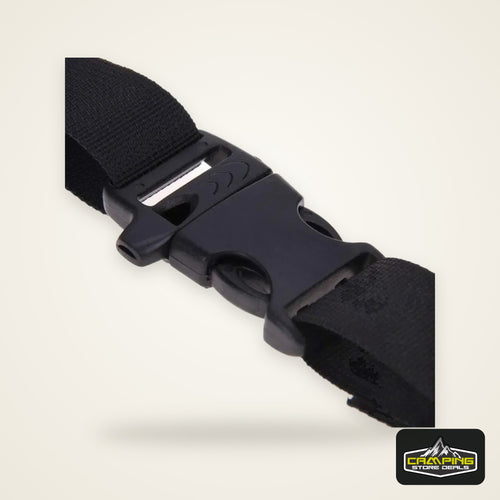
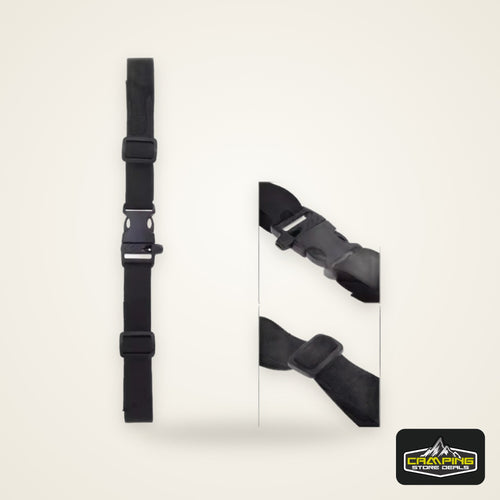
Sternum strap add ons. If your pack lacks one, a sternum strap stabilizes the load and keeps shoulder straps from sliding outward during movement.
Trekking pole attachments. Loops or straps designed to hold trekking poles securely to your pack free up your hands when you are not actively using them.
Load lifter straps. These small straps near the top of the shoulder straps help pull the pack's weight closer to your body, improving balance and reducing strain on longer trips.
Maintenance and Repair Accessories
Repair patches or tape. A small roll of gear repair tape can save a trip if a strap tears or a hole develops in the fabric, and it weighs almost nothing.
Zipper pulls and replacement clips. Small backup parts are easy to overlook, but a broken zipper pull or buckle can be a real problem far from home. Carrying a spare or two is a low cost safeguard.
Pack cleaning brush. Keeping your pack clean, especially the zippers and seams, helps prevent long term wear and extends the usable life of the bag significantly.
Choosing Accessories Based on Trip Type
Day hikes typically only need a rain cover, a water bottle holder, and maybe a hip belt pocket for small essentials, since the load and duration are limited.
Multi day backpacking trips benefit most from compression sacks, a pack liner, hydration bladder compatibility, and repair accessories, since gear needs to stay organized and protected over several days.
Family or group trips often do well with extra carabiners, additional pockets, and hydration solutions for each person, since coordinating gear for multiple people adds complexity.
Travel focused trips may prioritize dry bags and packing cubes more than weather gear, since the goal is often organization inside airports, hotels, or transit rather than trail exposure.
Common Mistakes When Choosing Backpack Accessories
Buying accessories that do not match your pack size. A rain cover or hydration sleeve sized for a smaller pack will not fit properly on a larger backpacking pack, and vice versa.
Overloading with accessories you do not need. Every add on has weight, even a small one. Choose accessories based on your actual trip type rather than adding everything available.
Skipping a repair kit. Many hikers overlook small repair accessories until something breaks mid trip, at which point a torn strap or broken buckle becomes a much bigger problem.
Ignoring compatibility with your specific pack. Not all hydration sleeves, pole attachments, or hip belt pockets are universal. Check that the accessory works with your pack's design before buying.
Building a Complete Accessory Kit
A solid starting kit for most hikers includes a rain cover, a hydration bladder or sleeve, at least one compression sack, a small repair kit, and a hip belt pocket for quick access items. From there, you can add trip specific accessories depending on length, weather, and group size.
Pairing your accessory kit with the right core gear rounds out a complete setup:
-
A properly fitted backpacking pack or day pack as your foundation
-
A hydration pack for consistent water access on longer trails
-
Trekking poles from our Trekking Poles collection paired with pole attachment accessories
Essential Backpack Accessories: Quick Checklist
-
Rain cover or waterproof pack liner
-
Dry bags for sensitive items
-
Compression sacks for bulky gear
-
Hydration bladder sleeve or reservoir
-
Hip belt pocket for quick access items
-
Carabiners or gear clips
-
Small repair kit with tape and spare clips
-
Trekking pole attachment straps, if applicable
Final Thoughts
The right set of essential backpack accessories can transform an average pack into a fully functional system suited to your specific trips. Start with the basics, a rain cover, hydration solution, and repair kit, then build out from there based on the length and type of trips you take most often. Small additions often make the biggest difference once you are actually out on the trail.
Ready to complete your setup? Browse our full Backpack Accessories collection and find the add ons that fit your pack and your next adventure.


 Tents & Shelter
 Sleep Systems
 Packs & Hiking
 Camp Kitchen
 Light & Power
 Survival & Skills
 Camping 101
 Fishing