

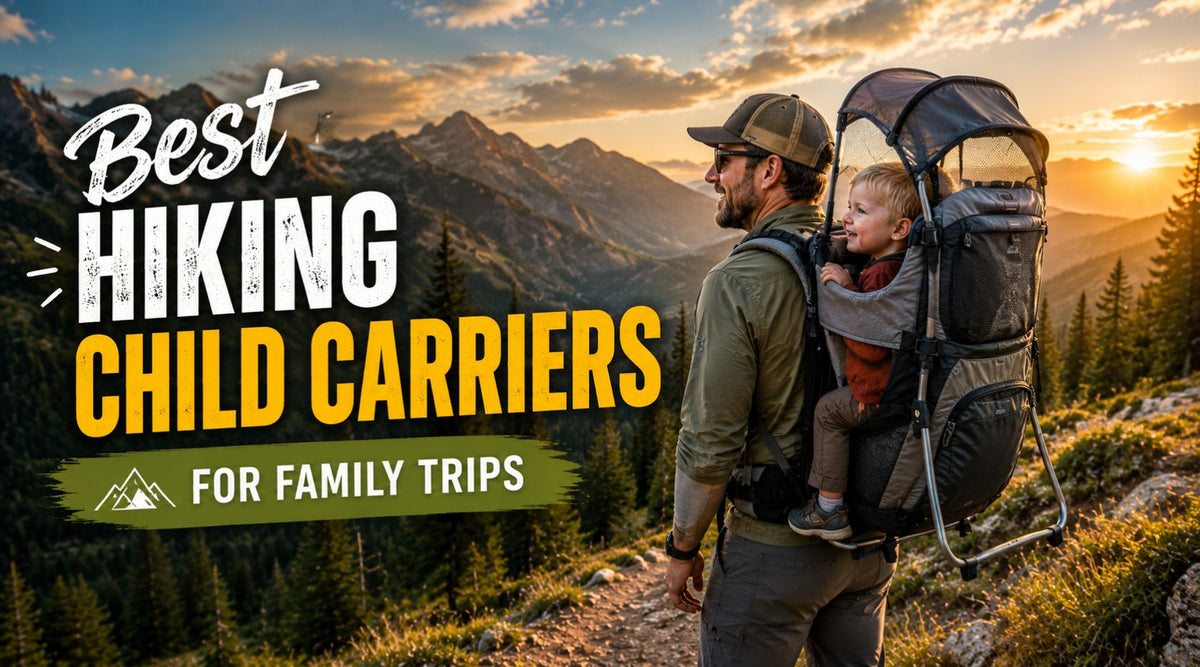
Bringing a toddler along on a hike changes everything about how you pack and move on the trail. A stroller will not survive rocky terrain, and carrying a child in your arms for more than a few minutes is not realistic on anything longer than a short walk. That is where a proper carrier comes in. Finding the best hiking child carrier means balancing safety, comfort for both you and your child, and enough storage for the extras a family day trip requires.
This guide walks through everything worth checking before you buy, so you can browse our Child Carriers collection with confidence and get your family ready for the trail.
What Makes the Best Hiking Child Carrier
A quality child hiking backpack is built differently from a standard baby carrier. It needs a supportive frame, a padded seat for the child, safety harnessing, and enough structure to stay balanced on uneven ground, all while remaining comfortable for the adult carrying the load for an hour or more at a time.
The best hiking child carrier for your family depends on your child's age and weight, how long your typical hikes are, and how much extra gear you need to bring along for a day on the trail.
Safety Features to Check First
Five point harness. A secure harness system, similar to what you would find in a car seat, keeps your child safely positioned even on uneven or bumpy trails.
Sturdy frame construction. Look for a one piece or reinforced frame design that avoids wobbling and holds up under repeated use, since this is what keeps the entire carrier stable while you walk.
Padded, adjustable stirrups. Foot stirrups let your child rest their legs comfortably during longer hikes and reduce the chance of legs dangling uncomfortably or getting caught on branches.
Kickstand or freestanding base. A carrier that can stand on its own makes it much easier and safer to get your child in and out without needing a second person to hold it steady.
Sun canopy and weather protection. Since young children cannot regulate temperature as well as adults, a removable sun shade and an available rain cover help protect them from sun exposure and sudden weather changes.
Comfort for the Adult Carrying the Load
A toddler hiking carrier is not just about the child. If the adult is not comfortable, the trip will not last long.
Padded hip belt. Similar to a backpacking pack, a good hip belt shifts most of the child's weight onto your hips rather than your shoulders, which matters enormously on hikes over 30 minutes.
Adjustable torso and strap fit. Since parents come in different heights and builds, look for a carrier with adjustable shoulder straps and back panel length so it fits properly rather than sitting too high or too low.
Ventilated back panel. A mesh or channeled back panel helps reduce sweat buildup, especially important since a loaded child carrier puts extra heat between your back and the pack.
Manageable weight when empty. Carriers with lighter frames make a noticeable difference over the course of a full day hike, since you are already adding your child's weight on top of the carrier itself.
Storage and Practical Features
Family hikes come with more gear than solo trips, so storage matters more than people expect.
-
Main storage compartment for diapers, wipes, and a change of clothes
-
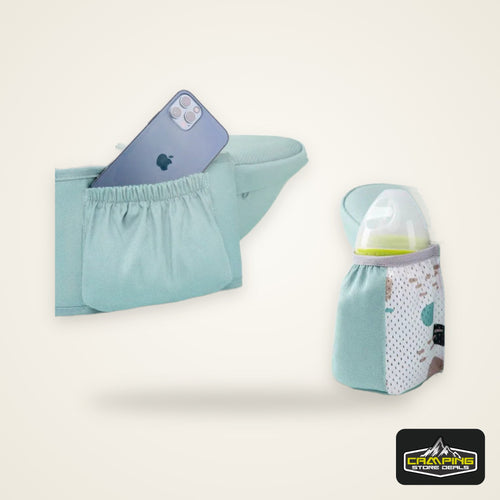
Insulated pocket for snacks or a bottle to stay cool
-
Removable daypack that can double as a small bag for the child once they are older
-
Side pockets for quick access to sunscreen, a phone, or trail snacks
Choosing the Right Fit for Your Child's Age
Infants under 6 months generally should not use a frame style hiking carrier, since most are designed for children who can sit upright and support their own head and neck.
Toddlers from about 6 months to 4 years are the typical range for most hiking child carriers, with weight limits usually falling between 20 and 40 pounds depending on the model.
Growing toddlers nearing the upper weight limit may do better in a carrier with a wider adjustable seat range, so you are not stuck replacing the carrier as they grow.
Always check the manufacturer's specific age and weight range rather than relying on general estimates, since capacity varies between models.
Common Mistakes When Choosing a Child Carrier for Hiking
Focusing only on price. A cheaper carrier that lacks a proper hip belt or sturdy frame will be uncomfortable within the first mile, which defeats the purpose of buying one at all.
Skipping a trial fitting. Adjust the straps and try walking around the house with your child in the carrier before heading out on an actual trail.
Ignoring the kickstand feature. Without a stable base, loading and unloading a child mid hike becomes awkward and sometimes unsafe.
Overpacking the storage compartments. Extra weight in the carrier's storage adds directly to what you are carrying, so pack only what you truly need for the length of the hike.
What to Pair With a Hiking Child Carrier
To round out a comfortable family hike, consider pairing your carrier with:
-
A hydration pack so you can drink water hands free while carrying your child
-
Trekking poles from our Trekking Poles collection for extra stability on uneven trails
-
A lightweight day pack for the rest of the family's snacks and layers if the carrier's storage fills up quickly
Best Hiking Child Carrier: Quick Checklist
-
Five point safety harness
-
Sturdy, stable frame with kickstand
-
Padded, adjustable stirrups
-
Hip belt for adult comfort
-
Removable sun canopy and available rain cover
-
Enough storage for diapers, snacks, and extra layers
-
Weight and age range matched to your child
Final Thoughts
Finding the best hiking child carrier comes down to prioritizing safety features, a proper hip belt for the adult, and enough storage for a day on the trail. Take the time to check the harness, frame stability, and fit before you buy, and your family hikes will be far more enjoyable for everyone involved.
Ready to get your family trail ready? Browse our full Child Carriers collection and find the right fit for your next adventure together.



 Tents & Shelter
 Sleep Systems
 Packs & Hiking
 Camp Kitchen
 Light & Power
 Survival & Skills
 Camping 101
 Fishing