

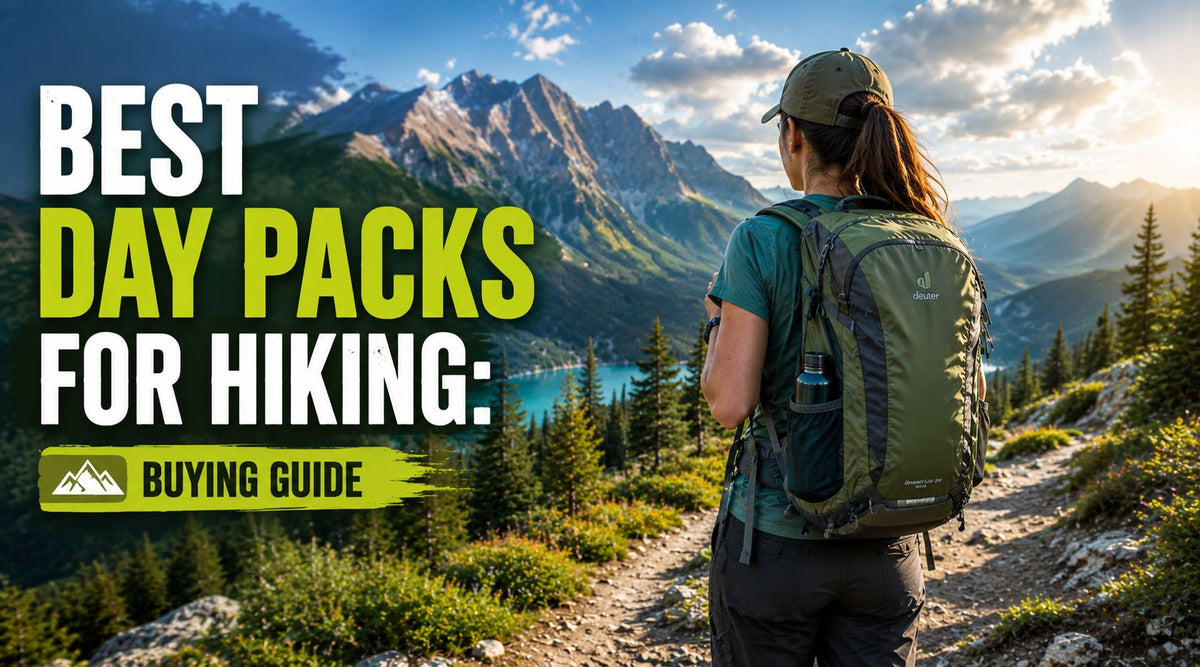
A short hike does not need a full backpacking setup, but it still deserves the right pack. Finding the best day pack for hiking comes down to a handful of practical questions: how much you need to carry, how far you are walking, and what kind of terrain you will be on. Get those answers right, and the rest of the decision gets a lot easier.
This guide walks through everything worth knowing before you buy, so you can shop our Day Packs collection with a clear idea of what actually fits your hikes.
What Makes the Best Day Pack for Hiking
A good day pack sits somewhere between a school backpack and a full backpacking pack. It needs to be small enough to stay light and comfortable, but structured enough to carry water, snacks, layers, and a few essentials without feeling like a loose sack on your back.
A solid hiking day pack usually shares a few traits: a size in the 15 to 30 liter range, padded shoulder straps, a breathable back panel, and enough internal organization to keep your gear from shifting around on the trail.
How Much Capacity Do You Actually Need
Sizing a day hiking backpack depends mostly on how long you are out and what the weather looks like.
Short hikes under 3 hours usually only need 10 to 15 liters. That is enough room for water, a snack, and a light jacket.
Half day hikes of 3 to 6 hours are better suited to 15 to 20 liters, giving you space for extra water, food, a first aid kit, and a spare layer.
Full day hikes or variable weather often call for 20 to 30 liters, which leaves room for rain gear, extra layers, and a few emergency items without feeling overstuffed.
Buying slightly larger than you think you need is common, but oversized packs tend to encourage overpacking, so it is worth being honest about what a typical hike actually requires.
Key Features to Look For in a Lightweight Hiking Pack
Padded, adjustable shoulder straps. Comfort on a day hike comes down to how well the pack distributes weight across your shoulders, not just how much padding it has.
Breathable back panel. A mesh or channeled back panel keeps air moving and reduces sweat buildup, especially on warmer trails.
Hydration compatibility. Many day packs include a sleeve for a hydration bladder, which is worth having even if you plan to carry bottles instead, since it gives you flexibility later.
Secure but accessible pockets. Side pockets for water bottles and a hip belt pocket for small items like a phone or snack bar make a noticeable difference on the trail.
Light rain resistance. You do not need a fully waterproof pack for most day hikes, but a water resistant fabric or included rain cover helps protect gear during sudden weather changes.
Choosing the Right Hiking Daypack for Your Style
For fast, minimal hikers: Look for a streamlined pack in the 10 to 15 liter range with a snug fit and minimal extra straps or pockets that could bounce around while moving quickly.
For families or hikers carrying extra gear: A 20 to 25 liter pack with multiple pockets makes it easier to organize snacks, layers, and small items for more than one person.
For photographers or hikers carrying equipment: Padded internal compartments or a pack with a dedicated camera sleeve can protect gear better than a standard single compartment design.
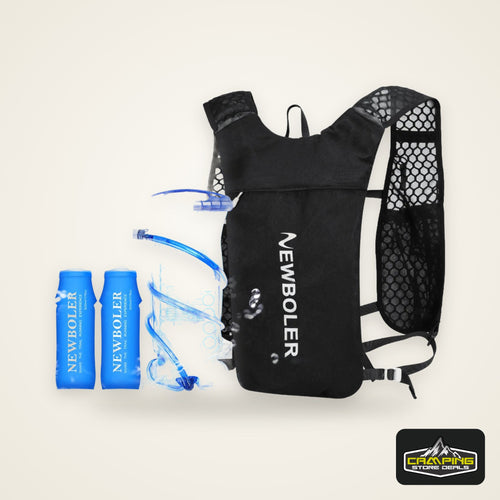
For trail runners transitioning to hiking: A lightweight vest style pack with a hydration bladder built in often works better than a traditional daypack for faster paced movement.
Common Mistakes When Choosing a Hiking Backpack for Day Trips
Buying based on looks instead of fit. A pack that looks great on a shelf can still feel uncomfortable once loaded and worn for a few hours.
Ignoring the hip or sternum strap. Even small stabilizing straps make a real difference in keeping a pack from bouncing on uneven terrain.
Skipping a test walk. Loading the pack with your usual hiking gear and walking around before your trip is the easiest way to catch fit issues early.
Overpacking a small pack. Forcing too much gear into a pack that is too small puts uneven strain on the seams and straps, and it is uncomfortable to carry.
Underestimating water needs. Many hikers pack less water than they should. A pack with easy bottle access or hydration bladder compatibility helps you stay on top of hydration without extra effort.
What to Pair With Your Day Pack
A well chosen hiking daypack works best alongside a few other essentials:
-
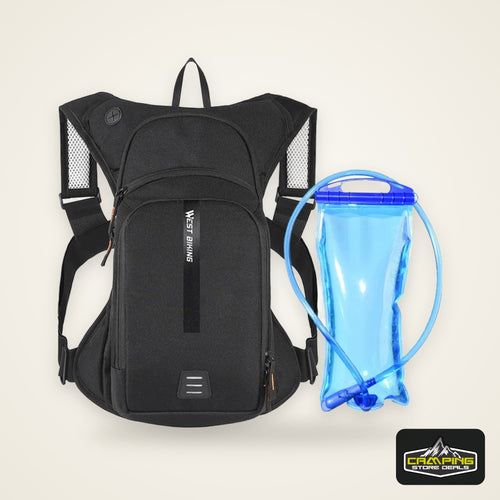
A hydration pack or bladder for hands free drinking on longer trails
-
Trekking poles from our Trekking Poles collection for added stability on uneven terrain
-
Lightweight layers and rain protection, especially for hikes with changing weather
-
A small first aid kit and navigation tool for longer or more remote day hikes
Hiking Daypack Buying Checklist
-
Capacity matched to hike length: 10 to 15L for short hikes, 15 to 20L for half day, 20 to 30L for full day
-
Padded, adjustable shoulder straps
-
Breathable back panel
-
Hydration bladder compatibility
-
Secure water bottle and hip belt pockets
-
Light water resistance or included rain cover
Final Thoughts
The best day pack for hiking is not the biggest or the most feature packed option on the shelf. It is the one that matches your typical hike length, fits your body comfortably, and carries exactly what you need without extra bulk. Start with your usual hike length, check the fit, and build the rest of your kit around it.
Ready to find yours? Browse our full Day Packs collection and gear up for your next trail.
Pro tip: go deeper with these related guides: Lumbar Pack Buying Guide, Essential Backpack Accessories for Every Trip.


 Tents & Shelter
 Sleep Systems
 Packs & Hiking
 Camp Kitchen
 Light & Power
 Survival & Skills
 Camping 101
 Fishing