

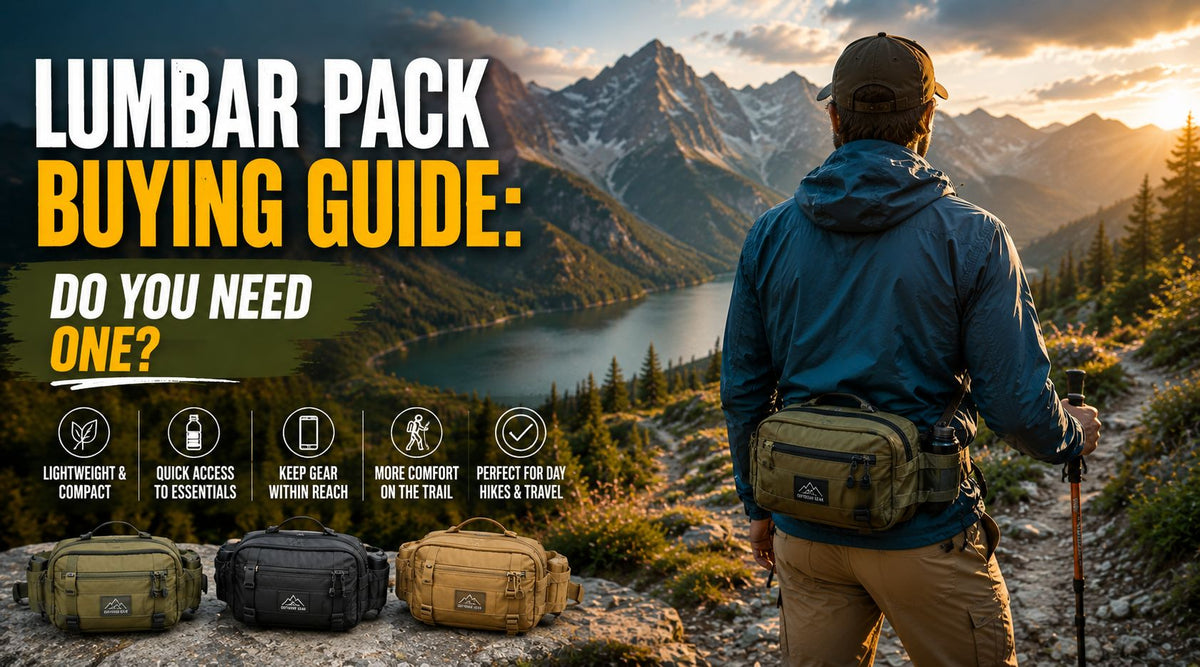
Not every trip calls for a full sized backpack. Sometimes you just need water, a snack, and a place for your keys and phone, without anything bouncing on your shoulders or sitting heavy on your back. That is exactly where a lumbar pack fits in. This lumbar pack buying guide breaks down what these packs are actually good for, who benefits most from one, and what to look for before you buy.
By the end, you will know whether a waist pack for hiking makes sense for your trips, and you can browse our Lumbar Packs collection with a clear idea of what fits your needs.
What Is a Lumbar Pack
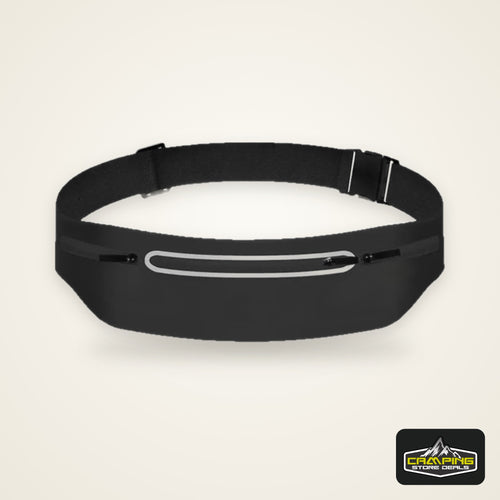
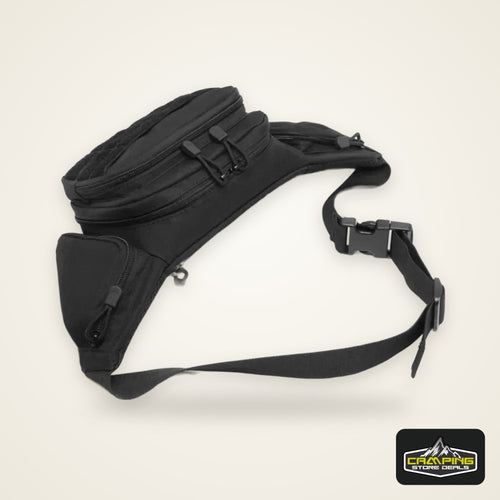
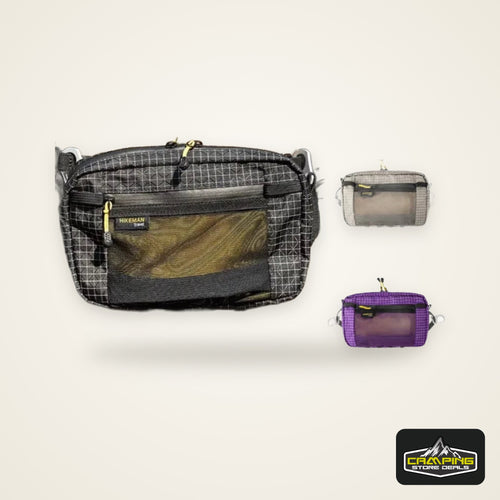
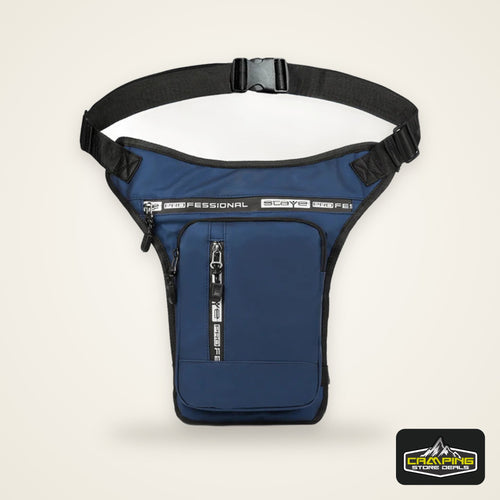
A lumbar pack, sometimes called a hip pack, waist pack, or fanny pack, sits around your lower back and hips instead of on your shoulders. It usually has one main compartment along with a few smaller pockets, and it is secured with an adjustable belt.
Unlike a backpack, a lumbar pack keeps weight low and close to your center of gravity, which many hikers, runners, and cyclists find more comfortable for shorter, faster paced activities.
Do You Actually Need One: Key Questions to Ask
Before diving into features, it helps to figure out whether this style of pack even fits how you move outdoors. Ask yourself:
How long are your typical outings? Lumbar packs shine on trips under a few hours. For half day or full day hikes with more gear, a daypack usually makes more sense.
Do you want your hands and shoulders completely free? A hip pack keeps your upper body unrestricted, which is a common reason trail runners and cyclists prefer them over a backpack.
How much gear do you realistically carry? If your essentials fit in a small space (phone, keys, a snack, a light jacket, maybe a water bottle) a lumbar pack is often all you need.
Do you run hot or overheat easily? Since a lumbar pack does not cover your back, it allows more airflow than a traditional backpack, which some hikers prefer in warm weather.
If you answered yes to most of these, a lumbar pack is likely a solid fit for at least some of your trips.
Lumbar Pack Buying Guide: What to Look For
Capacity
Most lumbar packs range from 1 to 8 liters. Smaller packs in the 1 to 3 liter range work well for minimal essentials, while packs closer to 5 to 8 liters can hold a light jacket, extra snacks, or a small first aid kit alongside the basics.
Belt and Fit
Since the entire pack rests on your hips, the belt is arguably more important than the main compartment. Look for a wide, padded belt that will not dig in during movement, along with a secure buckle that stays fastened on uneven terrain.
Water Bottle Compatibility
Many hip packs for hiking include side pockets or holsters for a water bottle, which is worth checking if you plan to carry your own bottle rather than a hydration bladder.
Stability While Moving
A well designed waist pack should not bounce or shift when you run, climb, or scramble over rocks. Compression straps or a slightly curved shape that follows your lower back can help keep the load stable.
Material and Water Resistance
Since a lumbar pack often gets pressed against your body and exposed to sweat and weather, a water resistant or quick drying fabric holds up better over time than untreated cotton or canvas.
Lumbar Pack vs Daypack: Which Should You Choose
A lumbar pack and a daypack solve different problems, and many hikers end up owning both.
Choose a lumbar pack when: you are moving fast, want your shoulders free, are out for a shorter trip, or want better airflow on a hot day.
Choose a daypack when: you need more than a few liters of storage, are carrying layers for changing weather, or want a hydration bladder built into the pack itself.
If you regularly do both short trail runs and longer half day hikes, it is worth having a hip pack for the quick outings and a daypack for the longer ones, rather than trying to make one pack do everything.
Common Mistakes When Choosing a Waist Pack for Hiking
Buying too small for your actual needs. A 1 liter pack might look sleek, but if you consistently need to carry a jacket or extra water, you will end up frustrated on the trail.
Ignoring the belt padding. A thin, unpadded belt can dig into your hips on longer outings, even if the rest of the pack feels comfortable in the store.
Overlooking bottle access. If you plan to carry a water bottle, make sure you can reach it without taking the whole pack off.
Assuming one size fits all body types. Waist sizing varies more than people expect. Check the adjustable range before buying, especially if you are on the smaller or larger end of typical sizing.
What to Pair With Your Lumbar Pack
A lumbar pack works well on its own for short trips, but you can round out your setup with:
-
A hydration pack for longer outings when you want hands free water access
-
Trekking poles from our Trekking Poles collection for added stability on uneven trails
-
A compact rain jacket or light layer that fits inside your pack for unpredictable weather
-
A daypack for the days when you need more room than a hip pack can offer
Lumbar Pack Buying Guide: Quick Checklist
-
Capacity that matches your typical trip length: 1 to 3L for minimal essentials, 5 to 8L for more gear
-
Wide, padded belt with a secure buckle
-
Water bottle pocket or holster if needed
-
Stable fit that does not bounce during movement
-
Water resistant, durable material
Final Thoughts
This lumbar pack buying guide comes down to one main question: how much are you actually carrying, and how do you want that weight distributed. If your essentials fit in a small space and you value freedom of movement, a lumbar pack is a smart, comfortable choice. For longer trips with more gear, pairing it with a daypack gives you the best of both worlds.
Ready to find yours? Browse our full Lumbar Packs collection and pick the fit that matches your next adventure.


 Tents & Shelter
 Sleep Systems
 Packs & Hiking
 Camp Kitchen
 Light & Power
 Survival & Skills
 Camping 101
 Fishing