

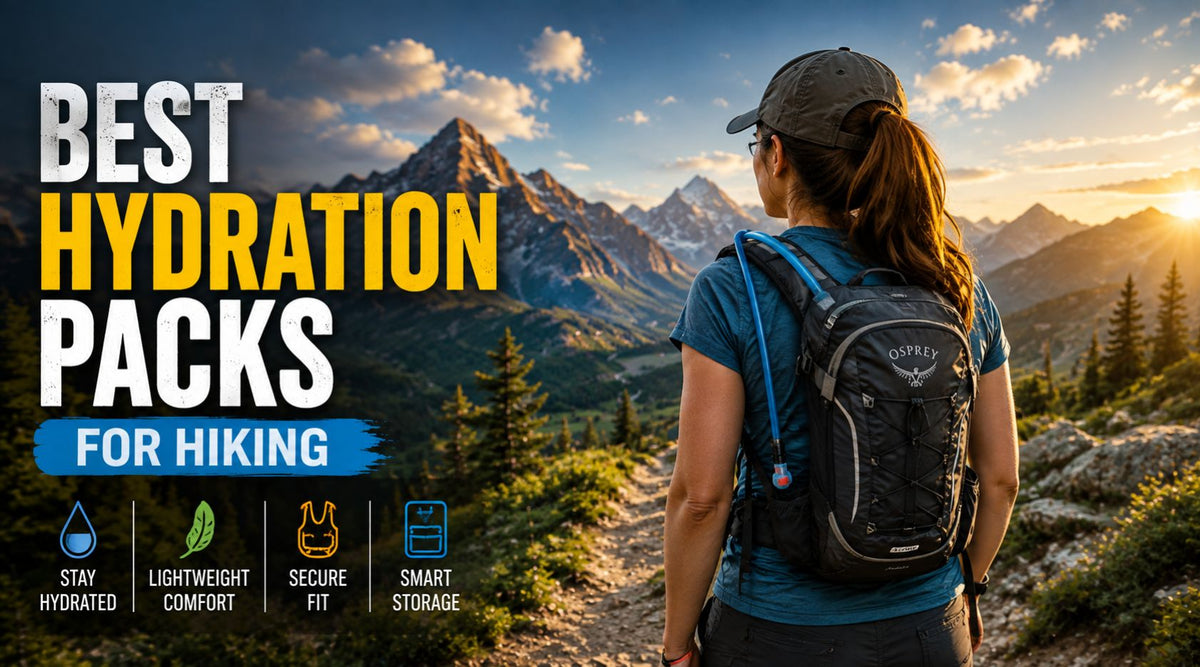
Carrying enough water on the trail is one of those things hikers underestimate until they run dry a few miles from the trailhead. Finding the best hydration pack for hiking solves that problem in a way a standard water bottle never can, since it lets you drink steadily without breaking your stride or digging through a bag every time you get thirsty.
This guide covers what actually matters when choosing a hiking hydration pack: reservoir size, fit, and the small features that make a real difference on longer trails. By the end, you will be ready to browse our Hydration Packs collection and pick one that fits how you hike.
Why the Best Hydration Pack for Hiking Beats a Water Bottle
A water backpack for hiking keeps both hands free and lets you sip water continuously instead of stopping to unclip a bottle. Over the course of a long hike, that small convenience adds up, since hikers who drink consistently tend to stay more energized than those who only drink when they remember to stop.
Hydration reservoirs also tend to hold more water than a single bottle, which matters on hot days or longer routes where refill points are limited. For hikers who already carry a daypack, many models now include a built in sleeve, but a dedicated hiking hydration pack usually offers a more secure fit and easier access to the drinking tube.
How to Choose a Hiking Water Backpack
1. Reservoir Size
Hydration bladders typically range from 1.5 to 3 liters. A 1.5 to 2 liter reservoir works well for short to moderate hikes, while a 2.5 to 3 liter bladder is better suited to full day hikes, hot climates, or routes without reliable water sources.
2. Pack Capacity Beyond Water
Some hydration packs are built almost entirely around the reservoir with minimal extra storage, which works for fast, minimal hikers. Others combine a hydration sleeve with a full daypack, giving you room for snacks, a first aid kit, and layers alongside your water. Think about whether you need the pack to double as your main daypack or simply carry water on top of a separate bag.
3. Fit and Comfort
A good hiking backpack for water should sit close to the body without bouncing, with padded shoulder straps and, ideally, a sternum strap to keep it stable on uneven terrain. Look for a breathable back panel, since a pack sitting flush against your back for hours can get warm quickly.
4. Bite Valve and Tube Design
The drinking tube and bite valve matter more than most buyers expect. A magnetic clip that holds the tube to your shoulder strap keeps it from swinging, and a locking bite valve prevents leaks inside your pack when you are not drinking.
5. Ease of Cleaning
Reservoirs need regular cleaning to prevent mold and bacteria buildup. Look for a wide mouth opening that makes it easy to reach inside and dry the bladder fully between trips.
Best Hydration Pack for Hiking by Trip Type
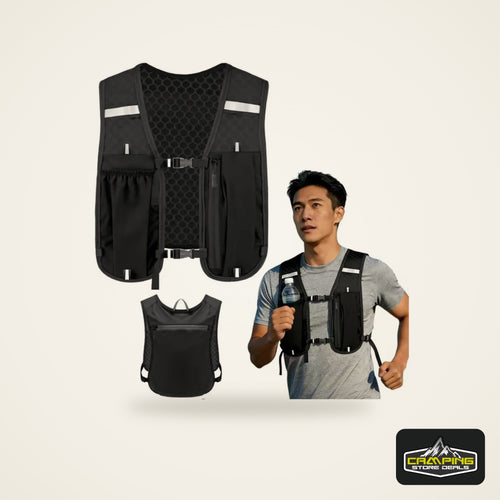
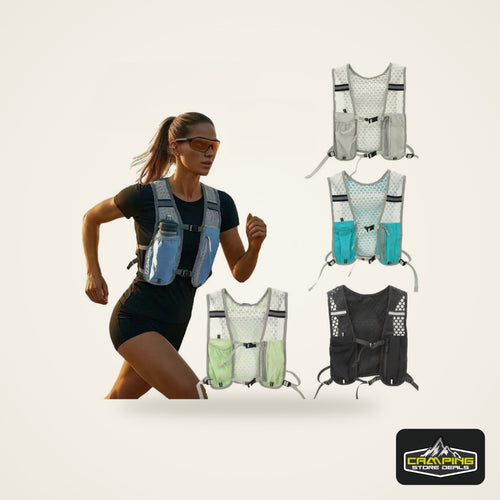
Short, fast hikes: A minimal vest style pack with a 1.5 to 2 liter reservoir keeps weight low and avoids unnecessary bulk.
Full day hikes: A hiking daypack with a 2.5 to 3 liter reservoir and extra pockets for food, layers, and a first aid kit covers most of what you need for a longer route.
Hot weather or dry trails: Prioritize the largest reservoir you are comfortable carrying, along with an insulated sleeve that helps keep water cooler for longer.
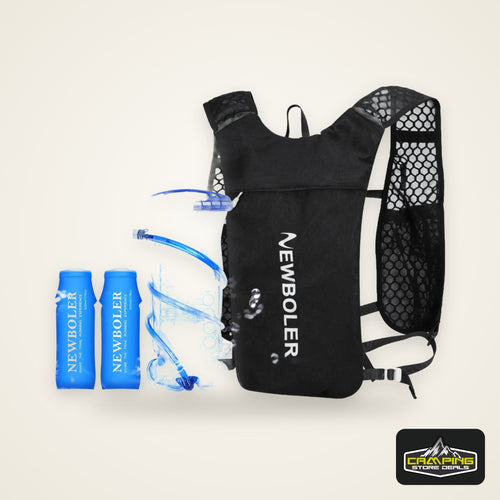
Trail running or fastpacking: A lightweight running style hydration pack with a snug, low bounce fit works better than a traditional hiking backpack for water in this case, since stability matters more than storage.
Common Mistakes When Buying a Hydration Pack
Choosing capacity without thinking about trip length. A 3 liter reservoir is unnecessary weight on a short hike, while a 1.5 liter bladder can leave you short on a hot, all day route.
Ignoring fit for the sake of price. A cheap pack that bounces or rubs will be uncomfortable long before you finish a long hike.
Skipping regular cleaning. Neglecting to clean a reservoir after each trip is one of the most common reasons hikers end up replacing a bladder early.
Forgetting to test the bite valve before a trip. A stiff or leaking valve is much easier to catch and fix at home than on the trail.
Overlooking freeze protection in cold weather. In freezing conditions, an exposed drinking tube can ice over. An insulated tube sleeve solves this for cold weather hikes.
What to Pair With Your Hydration Pack
A hydration pack works best as part of a complete hiking setup:
-
A day pack if your hydration pack does not already include extra storage
-
Trekking poles for added stability on longer or steeper trails
-
Water treatment supplies from our Camp Kitchen collection if you plan to refill from natural water sources
-
Lightweight layers to pack alongside your water for changing trail conditions
Best Hydration Pack for Hiking: Buying Checklist
-
Reservoir size matched to trip length: 1.5 to 2L for short hikes, 2.5 to 3L for full day hikes
-
Comfortable, low bounce fit with padded straps
-
Magnetic tube clip and locking bite valve
-
Wide mouth opening for easy cleaning
-
Insulated sleeve for hot or freezing conditions
Final Thoughts
The best hydration pack for hiking comes down to matching reservoir size to your typical trip length, prioritizing a comfortable and stable fit, and choosing a design with an easy to clean bladder and a reliable bite valve. Get those basics right, and staying hydrated on the trail becomes one less thing to think about.
Ready to gear up? Browse our full Hydration Packs collection and find the pack that keeps you moving.


 Tents & Shelter
 Sleep Systems
 Packs & Hiking
 Camp Kitchen
 Light & Power
 Survival & Skills
 Camping 101
 Fishing