

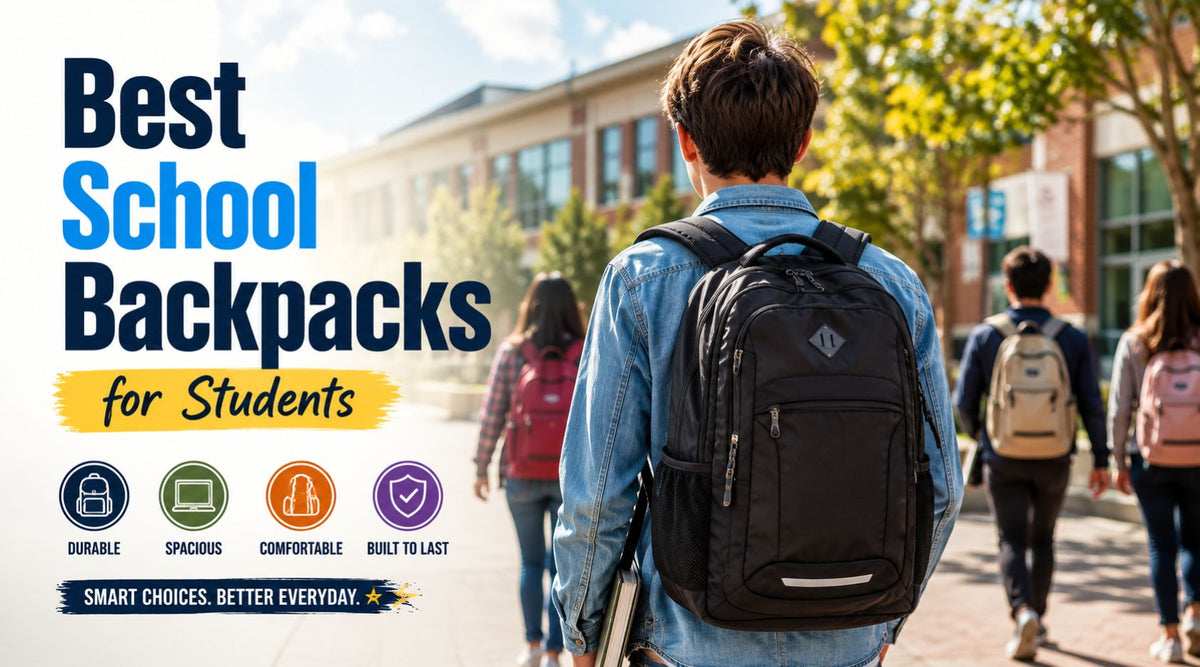
Picking the right backpack for school is not just about color and style. It needs to survive a full year of textbooks, laptops, gym clothes, and the occasional rainy walk to class. This best school backpack guide breaks down what actually matters when shopping for students, from elementary school through college, so you can choose a bag that holds up and stays comfortable to carry every day.
By the end, you will know exactly what to look for, and you can browse our Urban and School Packs collection to find a bag that fits your student's needs.
What This Best School Backpack Guide Covers
A school bookbag has a tougher job than most people realize. Between textbooks, binders, a laptop, and everyday extras, the average student backpack carries a surprising amount of weight, often five days a week for nine months straight. A poorly built bag will start sagging, ripping at the seams, or breaking zippers within a semester, while a well made one can last through multiple school years.
This guide covers sizing, material durability, organization, and comfort, so whether you are shopping for a kids backpack, a middle school backpack, or a college backpack, you will know what separates a good pick from one that falls apart by October.
Choosing the Right Size Student Backpack
Backpack size should match both the student's age and how much they typically carry.
Elementary school (ages 5 to 10): A smaller pack in the 12 to 18 liter range is usually enough, and a properly sized bag helps prevent strain on smaller frames still developing posture habits.
Middle and high school (ages 11 to 18): Most students need 20 to 30 liters to fit textbooks, binders, and a laptop sleeve, especially on days with multiple subjects or extracurricular gear.
College students: A 25 to 35 liter backpack often works best, since college schedules tend to mix laptops, notebooks, and sometimes a change of clothes or gym gear between classes.
As a general rule, an oversized bag encourages overpacking and unnecessary strain, so it is better to size for typical daily use rather than the heaviest possible day.
Durability Features to Look for in a School Bookbag
Reinforced stitching at stress points. Corners, strap attachments, and zipper pulls take the most abuse over time, so double stitching in these areas extends the life of the bag significantly.
Water resistant fabric. Ripstop nylon or coated polyester sheds light rain and spills better than cotton canvas, which matters for anyone walking between buildings or waiting at a bus stop.
Sturdy zippers. YKK or similar branded zippers tend to hold up far longer than generic ones, especially on a bag that gets opened and closed multiple times a day.
Padded, adjustable straps. Wide, cushioned shoulder straps distribute weight more evenly and reduce shoulder strain, particularly important for younger students carrying a heavy load.
Organization and Comfort in a Student Backpack
A good school backpack should make it easy to find what you need without digging through one giant compartment.
Dedicated laptop sleeve. A padded, separate compartment protects electronics from the weight of books and reduces the risk of screen damage.
Multiple pockets for small items. Pens, chargers, and a phone are easier to manage with a few small pockets rather than tossing everything into the main compartment.
Breathable back panel. Mesh padding on the back panel helps reduce sweat buildup, especially for students walking or biking to school in warmer months.
Ergonomic strap design. A sternum strap or slightly contoured shoulder straps can make a real difference for students carrying a bag most of the day.
Best School Backpack Guide: Matching a Bag to Student Needs
For younger students, prioritize a lighter, smaller bookbag with simple organization and a comfortable, adjustable fit over extra features they will not use yet.
For students with heavy course loads, a backpack with a padded laptop sleeve and strong internal support helps prevent the sagging and strain that come with carrying multiple textbooks daily.
For students who commute or bike, look for a water resistant bag with reflective details and a design that stays balanced when the student is in motion rather than sitting still.
For students who travel between activities, a backpack with external straps or extra pockets can hold gym clothes, art supplies, or other items without needing a second bag.
Common Mistakes When Buying a School Backpack
Choosing style over structure. A bag that looks great but lacks padded straps or a supportive back panel will feel uncomfortable within a few weeks.
Ignoring weight limits. Overloading any backpack, no matter how well built, increases the risk of strap or seam failure and puts unnecessary strain on the wearer.
Skipping the laptop sleeve check. Not all bags labeled as laptop compatible actually protect the device well. Look for a padded, separate compartment rather than a thin fabric divider.
Buying too large "to be safe." An oversized backpack often ends up half empty and swinging awkwardly, which is uncomfortable and can even affect posture over time.
What to Pair With a School Backpack
A well chosen school bag works even better with a few extras:
-
A backpack accessory like a rain cover for wet weather commutes
-
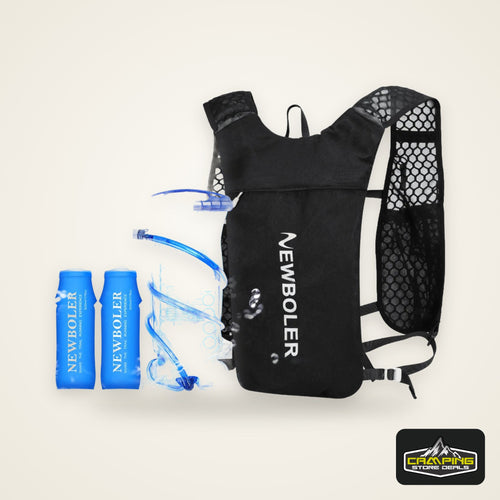
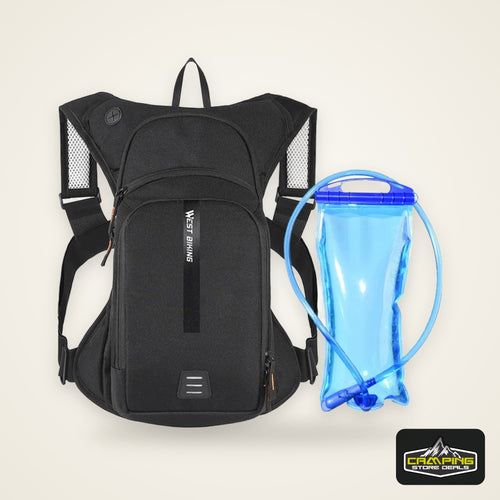
A compact hydration pack or water bottle for students who walk or bike to school
-
Organizational pouches to keep small items from shifting around inside the main compartment
Best School Backpack Guide: Quick Checklist
-
Size matched to age and daily course load
-
Reinforced stitching at stress points
-
Water resistant fabric
-
Durable, quality zippers
-
Padded, adjustable shoulder straps
-
Dedicated, padded laptop compartment
-
Breathable back panel for daily comfort
Final Thoughts
This best school backpack guide comes down to a few core priorities: the right size for the student's age and daily load, sturdy construction that can survive a full school year, and enough organization to keep everything easy to find. A well chosen backpack should feel like it disappears on the student's back, not something they are constantly adjusting or worrying about.
Ready to find the right fit? Browse our full Urban and School Packs collection and gear up for the school year ahead.


 Tents & Shelter
 Sleep Systems
 Packs & Hiking
 Camp Kitchen
 Light & Power
 Survival & Skills
 Camping 101
 Fishing