

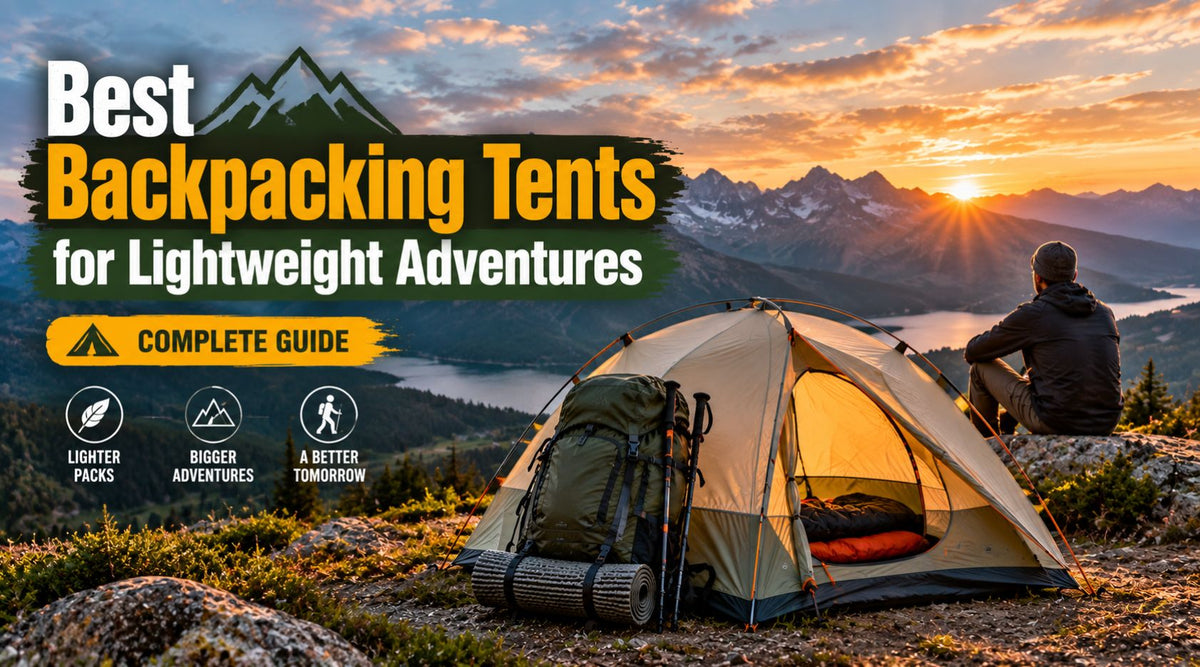
When you are carrying everything on your back, every ounce in your pack has to earn its place, and your tent is usually one of the heaviest single items you bring. Finding the best backpacking tent guide means balancing weight, weather protection, and livable space, since the wrong choice either leaves you exhausted on the trail or exposed when the weather turns. This guide breaks down exactly what to look for, so you can shop with confidence and browse our Backpacking Tents collection knowing what actually matters.
Why Backpacking Tents Are Different From Car Camping Tents
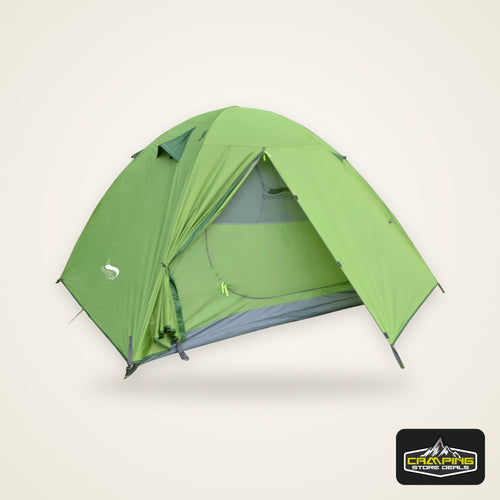
A lightweight backpacking tent is built around a completely different set of priorities than a car camping tent. Since you are carrying it for miles rather than driving it to a site, weight and packed size become just as important as weather protection. That usually means thinner fabrics, smaller footprints, and fewer bulky features, all in service of keeping the overall pack weight manageable over long distances.
This does not mean backpacking tents sacrifice quality. It means every design choice, from pole material to fabric denier, is made with weight savings in mind without giving up the core job of keeping you dry and protected overnight.
Best Backpacking Tent Guide: Key Features to Look For
Weight
Backpacking tents typically range from under two pounds for ultralight single person shelters up to four or five pounds for more spacious two or three person tents. As a general guideline, aim for a trail weight under three pounds per person if you are covering serious mileage, and be willing to accept slightly more weight in exchange for durability or space on shorter, less demanding trips.
Capacity and Floor Space
Like car camping tents, capacity ratings on backpacking tents can be optimistic. A "2 person" backpacking tent often fits two sleeping pads snugly with very little extra room for gear. If you want space to store a pack inside during rain, consider sizing up one capacity level, or look for a tent with a large vestibule instead.
Weather Resistance
A quality rainfly with a high waterproof rating, fully taped seams, and a bathtub style floor are non negotiable for backpacking, since you are far more likely to be exposed to real weather without the option to simply pack up and drive away. Check the fly's coverage as well, since a partial rainfly leaves more of the tent body exposed to wind driven rain.
Number of Doors and Vestibules
Single door tents save weight but require anyone on the far side to climb over their tent mate to get out. Two door designs add a small amount of weight but significantly improve convenience for two person trips. A vestibule outside each door gives you a place to store muddy boots or a pack without bringing dirt and moisture inside the sleeping area.
Pole Material and Setup
Aluminum poles resist bending and generally last longer than fiberglass, which matters over repeated trips and in windy conditions. Freestanding designs, which do not require staking to hold their shape, are generally easier and faster to pitch, especially on rocky or uneven ground where stakes do not always hold well.
Ventilation
Condensation is a common complaint with lightweight tents, since thinner materials and smaller interior volumes trap moisture more easily. Mesh panels, adjustable vents, and a rainfly with some airflow space between it and the tent body all help reduce overnight condensation buildup.
Backpacking Tent Types
Ultralight single wall tents skip the separate mesh inner tent, saving significant weight but often trading away some ventilation and condensation control. These work best for experienced backpackers comfortable managing moisture inside the tent.
Double wall tents use a separate mesh body and rainfly, which adds a bit of weight but significantly improves airflow and reduces condensation. This remains the most common and versatile design for most backpackers.
Trekking pole tents use your existing trekking poles instead of dedicated tent poles, cutting meaningful weight from your overall pack since you are not carrying redundant pole systems.
Freestanding tents hold their shape without staking, offering more flexibility in site selection, particularly useful on rocky terrain or platforms where stakes are impractical.
Choosing the Right Backpacking Tent for Your Trip
For solo, fast and light trips, a single person ultralight tent under two pounds keeps your pack weight down without sacrificing basic weather protection.
For two person trips, a double wall, two door tent in the three to four pound range balances weight, comfort, and convenience well for most standard backpacking conditions.
For extended or exposed trips, prioritize a tent with a full coverage rainfly and a sturdier pole structure, even if it adds a bit of weight, since reliable weather protection matters more the longer and more remote your trip becomes.
For alpine or high elevation trips, look for a four season rated tent with a stronger pole geometry built to handle wind and potential snow load, rather than a standard three season design.
Common Mistakes When Buying a Backpacking Tent
Focusing on weight alone. The lightest tent available is not always the best choice if it compromises weather protection you actually need for your typical trips.
Ignoring floor dimensions. Two backpacking tents with the same weight can have very different interior lengths and widths, so check actual measurements rather than relying on the capacity rating alone.
Skipping a practice setup. Backpacking tents are often pitched in more challenging conditions than car camping tents, so knowing the setup cold before your trip saves real frustration on the trail.
Underestimating condensation. Especially with single wall or ultralight designs, moisture buildup is common. Understanding how to manage ventilation before your trip helps avoid a damp, uncomfortable night.
Buying based on price alone. A cheaper tent often means heavier materials or weaker weather protection, which can matter a lot more once you are actually out on a multi day trip.
What to Pair With Your Backpacking Tent
A well matched shelter works best alongside the rest of your kit:
-
A properly sized backpacking pack, ideally chosen using our backpacking pack sizing guide
-
A compact sleeping pad for insulation and comfort
-
A sleeping bag rated for your expected trail temperatures
-
A hydration pack for consistent water access on longer days
If your trip calls for something even more minimal, it is also worth comparing a bivy sack vs tent to see whether a bivy might suit your style better for fast, ultralight trips.
Best Backpacking Tent Guide: Quick Checklist
-
Trail weight under three pounds per person for serious mileage
-
Floor dimensions checked, not just the person rating
-
Full coverage rainfly with taped seams
-
Adequate ventilation to manage condensation
-
Pole material and setup style suited to your typical terrain
-
Vestibule space for gear storage outside the sleeping area
Final Thoughts
This best backpacking tent guide comes down to balancing weight against weather protection and livable space, based on how and where you actually backpack. Prioritize trail weight for long mileage trips, but do not sacrifice a reliable rainfly or adequate ventilation just to shave a few extra ounces. Match the tent to your typical conditions, and it will hold up trip after trip.
Ready to find your shelter? Browse our full Backpacking Tents collection and gear up for your next lightweight adventure.


 Tents & Shelter
 Sleep Systems
 Packs & Hiking
 Camp Kitchen
 Light & Power
 Survival & Skills
 Camping 101
 Fishing