

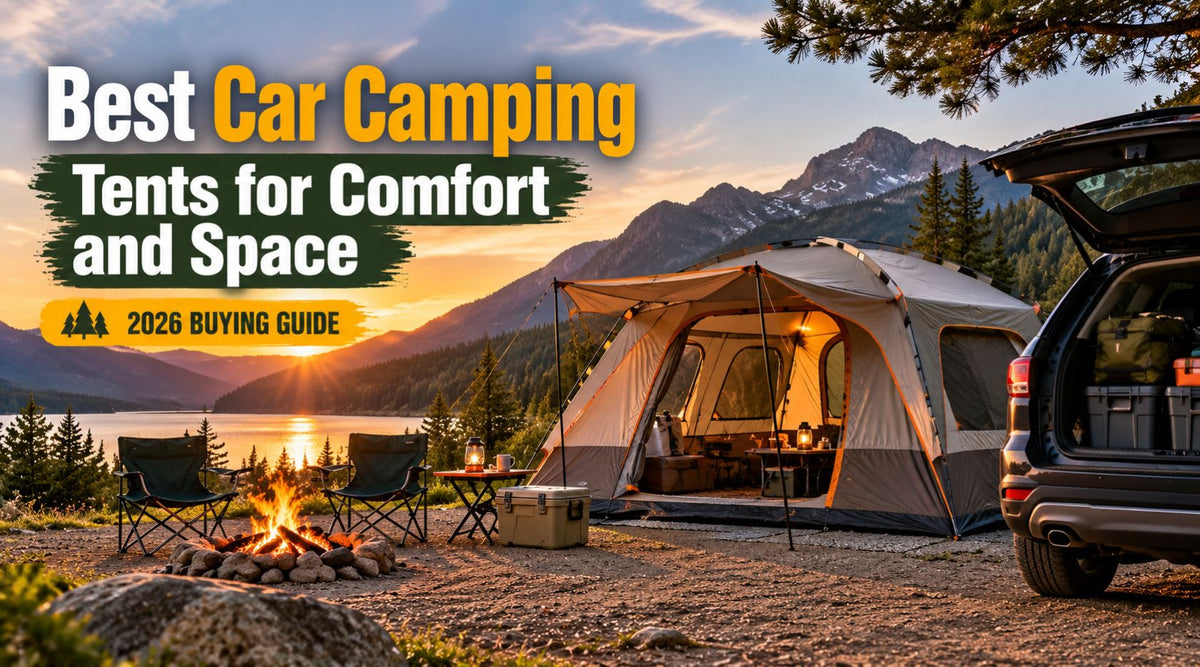
When your car is doing most of the hauling, there is no reason to squeeze into a cramped, ultralight shelter built for backpackers. Car camping opens up a completely different set of priorities: space, comfort, and ease of setup matter far more than saving a few ounces. This best car camping tent guide walks through everything worth knowing before you buy, from size and headroom to weather protection and setup speed, so your next trip to the campground or festival grounds feels more like a home base than a compromise.
By the end, you will know exactly what separates a great car camping tent from a mediocre one, and you can browse our full Car Camping Tents collection to find the right fit for your family or group.
What Makes Car Camping Different
Car camping means you are driving directly to your site rather than hiking in, which changes the entire equation for tent shopping. Weight and packed size barely matter since the tent rides in your trunk, not on your back. Instead, the priorities shift toward livable space, comfort features, and how easily the tent handles a group or a multi day stay.
This is very different from choosing a lightweight backpacking tent or even deciding between a bivy sack vs tent for a minimalist trip. Car campers can prioritize headroom, room dividers, and larger vestibules without worrying about carrying the extra bulk any real distance.
Best Car Camping Tent Guide: Key Features to Look For
Size and Sleeping Capacity
Car camping tents are usually sized generously compared to their capacity rating. A "4 person" tent built for car camping often has enough room for two adults plus gear, while a similarly rated backpacking tent would feel much tighter. Look at square footage rather than relying on the person rating alone, since manufacturers calculate capacity differently.
Headroom and Peak Height
Cabin style car camping tents with near vertical walls and higher peak heights let you stand up, change clothes, and move around comfortably, which matters a lot on longer stays or rainy days when you are stuck inside more than planned.
Number of Rooms
Larger family sized tents often include room dividers, creating separate sleeping areas for privacy. This is especially useful for family trips or when camping with a group that wants some separation at night.
Vestibule and Storage Space
A vestibule, the covered area just outside the main sleeping compartment, gives you a place to store muddy boots, coolers, or camp chairs without cluttering the sleeping area. Larger car camping tents often include one or two vestibules, which adds significant practical storage.
Weather Resistance
Even though weight is not a concern, a car camping tent still needs to hold up to real weather. Look for a full coverage rainfly, sealed seams, and a bathtub style floor that extends a few inches up the tent walls to keep ground moisture out.
Ventilation
Larger tents can trap heat and humidity if airflow is not considered. Mesh panels, adjustable vents, and windows with covers help keep the interior comfortable during warm weather while still allowing you to close things up when it turns cold or rainy.
Tent Styles Worth Comparing
Cabin tents offer the most livable space and headroom, with straight walls that maximize interior room. These are ideal for basecamp style trips where comfort matters more than portability. Many cabin tents also include large windows and multiple doors, which makes moving in and out easier when you have several people sharing the space.
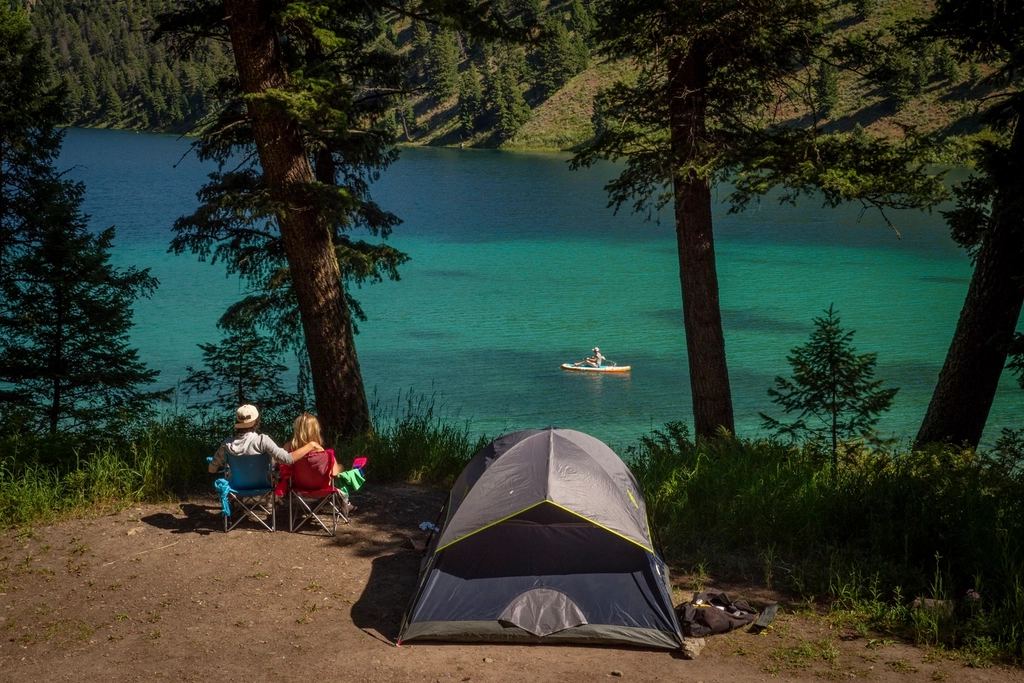
Dome tents remain a solid all around choice, offering good stability in wind and a simpler setup, though usually with less vertical wall space than a cabin style tent. Their curved shape sheds wind and rain effectively, which makes them a dependable choice for sites with less tree cover or more exposure.
Tunnel tents provide excellent length and multiple rooms, often used by larger groups or families who want separate sleeping areas connected under one shelter. Because of their elongated shape, tunnel tents often make efficient use of a narrow campsite while still offering generous floor space.
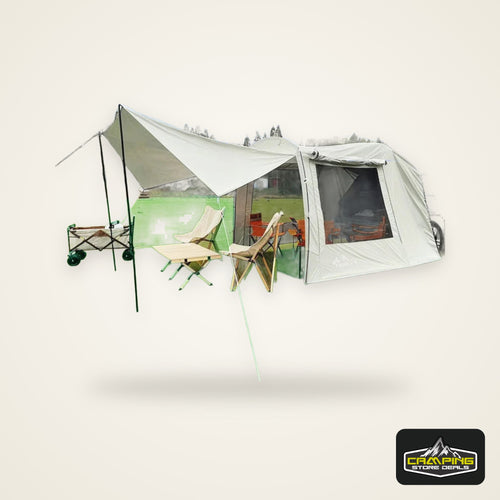
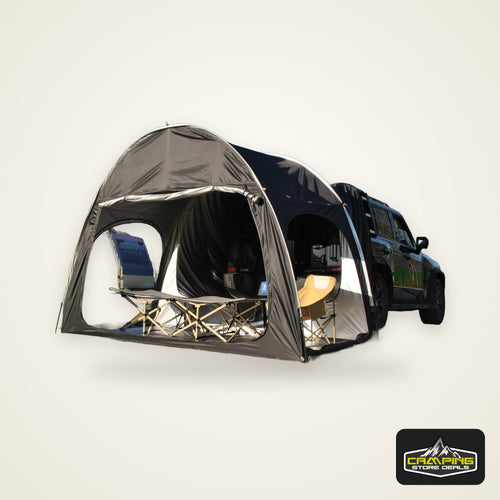
SUV and vehicle attached tents connect directly to the back of a car or SUV, effectively doubling your living space by linking the vehicle's interior to the tent. These work especially well for festivals and road trips where quick access to the car matters, since you can move gear, snacks, or a phone charger back and forth without stepping outside.
Materials and Build Quality
The fabric and pole materials used in a car camping tent affect both durability and how the tent performs in different weather. Polyester rainflies tend to resist UV degradation slightly better over time than nylon, which matters if you plan to use the tent frequently across multiple seasons. Aluminum poles are lighter and more resistant to bending than fiberglass, though fiberglass poles remain common in budget friendly tents and still perform well for occasional use.
Denier ratings, often listed as a number followed by a "D," indicate fabric thickness and durability. Higher denier fabrics resist abrasion and punctures better, which is worth considering if you camp on rocky or uneven ground, or if you are hard on gear in general.
Budget Considerations
Car camping tents span a wide price range, and the differences usually come down to materials, included features, and brand reputation rather than size alone. A budget friendly tent can still work well for occasional weekend trips, but frequent campers or larger families may find that investing in a higher quality tent pays off through better weather resistance, stronger zippers, and a longer usable lifespan.
It is worth thinking about how often you plan to camp and in what conditions before deciding how much to spend. A tent used a few times a year in mild weather has very different requirements than one used monthly across a range of seasons and climates.
How to Choose the Right Size
Solo campers or couples can comfortably use a 2 to 4 person car camping tent, which leaves room for gear without needing extra square footage you will not use.
Small families typically do well with a 6 person tent, especially one with a room divider to separate parents and kids at night.
Larger groups or extended families often benefit from an 8 to 10 person tunnel or cabin tent, sometimes paired with a second smaller tent if privacy between groups matters.
As a general rule, sizing up one capacity level beyond your actual headcount gives you room for gear, coolers, and a little extra breathing space, which matters far more on car camping trips than on backpacking trips where every extra pound counts.
Setup and Ease of Use
Car camping tents tend to be larger and can take longer to pitch than a compact backpacking tent, but many modern designs use color coded poles and pre attached clips to speed up the process. Look for tents that can be set up by one or two people in 15 to 20 minutes, since larger cabin and tunnel style tents can otherwise become a frustrating first night task, especially if you arrive at your site later in the day.
Practicing setup at home before your trip, just as you would with any tent, helps avoid struggling with poles and rainfly attachments for the first time in the dark. It is also worth checking whether the tent includes a setup diagram or color coded sleeves, since these small design details can save real time once you are actually at the campsite.
Maintaining Your Car Camping Tent
A larger tent represents a bigger investment, so a little maintenance goes a long way toward extending its life. Always let the tent dry completely before packing it away, since storing a damp tent can lead to mold and mildew that damages the fabric over time. Periodically check seam sealing and reapply waterproofing treatment if the rainfly starts to let water through after repeated use.
Storing the tent loosely in a large bag rather than tightly stuffed also helps preserve the fabric's coating and the poles' shape over multiple seasons of use.
Making the Most of a Car Camping Tent for Groups
When camping with a family or a larger group, a little organization inside the tent goes a long way. Assigning specific sleeping spots ahead of time, using a room divider if your tent includes one, and keeping a designated spot near the door for shoes and muddy gear can make shared space feel far less chaotic. Hanging organizers or small mesh pockets, often included or easily added, help keep phones, headlamps, and small items from getting lost in the corners of a larger tent.
For trips with kids, it can also help to do a full test setup at home beforehand, so children know where their sleeping area will be and the whole family is familiar with the tent's doors, vents, and storage pockets before the first night at the campsite.
Common Mistakes When Buying a Car Camping Tent
Choosing based on person rating alone. Manufacturer capacity ratings can be optimistic. Check square footage and floor dimensions to get a more accurate sense of real usable space.
Skipping the vestibule. Without covered storage outside the sleeping area, gear ends up piled inside the tent, reducing usable space and tracking in dirt and moisture.
Ignoring peak height. A tent with a low peak height might have decent floor space but still feel cramped if you cannot stand up or move around comfortably.
Underestimating ventilation needs. A tent without enough mesh paneling can feel stuffy and humid, especially with several people sleeping inside overnight.
Not checking the tent's weather rating. Even car camping tents vary widely in how well they handle sustained rain or wind, so it is worth checking seam sealing and rainfly coverage rather than assuming size equals quality.
What to Pair With Your Car Camping Tent
A well chosen car camping tent works even better with the right supporting gear:
-
A sleeping pad or air mattress for extra comfort on longer stays
-
A properly rated sleeping bag suited to the season
-
A camping cot if you prefer to sleep off the ground entirely
-
A shade shelter for daytime shade near your tent setup
-
Camp furniture and lighting to round out a comfortable basecamp
Best Car Camping Tent Guide: Quick Checklist
-
Square footage checked, not just person rating
-
Adequate peak height for standing or moving comfortably
-
Vestibule space for gear storage
-
Full coverage rainfly and sealed seams
-
Mesh panels and adjustable vents for airflow
-
Setup time realistic for your group size
-
Room dividers if privacy matters for your trip
Final Thoughts
This best car camping tent guide comes down to prioritizing space, comfort, and weather protection over the weight concerns that matter most for backpackers. Focus on real square footage, peak height, and vestibule storage rather than the person rating alone, and you will end up with a tent that actually feels comfortable for a multi day stay. Pair it with the right sleeping setup and a bit of shade for daytime, and your car camping basecamp will be ready for whatever the trip brings.
Ready to find your fit? Browse our full Car Camping Tents collection and get set up for your next trip to the campground or festival grounds.


 Tents & Shelter
 Sleep Systems
 Packs & Hiking
 Camp Kitchen
 Light & Power
 Survival & Skills
 Camping 101
 Fishing