


Roof top tents have gone from a niche overlanding accessory to a mainstream camping upgrade, and it is easy to see why. Elevated sleeping, quick setup, and a built in mattress sound appealing to almost anyone tired of pitching a ground tent. But before spending the money, it is worth understanding the real roof top tent pros and cons, since this style of camping is not automatically the right fit for every vehicle, budget, or trip type.
This guide breaks down what you actually gain and give up with a rooftop tent, so you can browse our Roof-Top Tents collection with a clear idea of whether it fits your camping style.
What Is a Roof Top Tent
A roof top tent mounts directly onto a vehicle's roof rack and folds out into a sleeping space above the car, truck, or SUV. Most models include a built in foam mattress, and many use either a soft shell design that folds flat like a book or a hardshell design that pops up with a simpler, faster mechanism. A telescoping ladder typically provides access up and down from the tent.
Unlike a ground tent, a car top tent keeps you elevated off the ground entirely, which changes several practical aspects of how you camp.
Roof Top Tent Pros
Faster Setup Once Installed
Most roof top tents can be unfolded and ready to sleep in within a few minutes, especially hardshell models. There is no need to find flat, rock free ground or deal with stakes and guy lines, since the tent simply opens up on top of the vehicle.
Elevated Comfort and Built In Mattress
Sleeping above the ground means you avoid rocks, roots, and uneven terrain entirely. Most rooftop tents come with a foam mattress already built in, which is often more comfortable than a standard sleeping pad on a ground tent.
Better Protection From Ground Moisture and Small Wildlife
Being elevated keeps you above puddles, damp ground, and crawling insects, which many campers find reassuring, especially in humid or buggy environments.
No Need to Search for a Perfectly Flat Campsite
Since the tent sits on the vehicle rather than the ground, uneven or rocky terrain matters far less. This opens up campsite options that would be uncomfortable or impossible with a traditional ground tent.
A Sense of Security and Privacy
Being elevated several feet off the ground gives many campers a stronger sense of security, particularly in areas with wildlife activity or less predictable terrain.
Roof Top Tent Cons
High Upfront Cost
This is often the biggest barrier. A quality rooftop tent typically costs significantly more than a comparable ground tent, and that cost climbs further once you factor in a compatible roof rack system if your vehicle does not already have one.
Vehicle Compatibility and Weight Limits
Not every vehicle can safely support a roof top tent. You need a roof rack rated for the combined weight of the tent, mattress, and occupants, and exceeding that limit is a real safety concern, not just a minor inconvenience.
Reduced Fuel Efficiency
A roof top tent sits directly in the wind stream while driving, creating drag that noticeably reduces fuel economy on longer trips, especially at highway speeds.
You Cannot Leave Camp Without Packing Up
Since the tent is attached to your vehicle, driving anywhere during your trip means folding everything up first. This makes rooftop tents less convenient for basecamp style trips where you want to explore the area without breaking down your entire sleep setup each time.
Installation and Storage Challenges
Roof top tents are heavy and often require two people to install onto a roof rack. Storing the tent when not in use also takes more space than a ground tent, which packs down small enough to fit in a closet or garage corner.
Limited Group Size
Most rooftop tents comfortably fit one or two adults, with only some larger models offering room for a third occupant like a child. Families or larger groups often need multiple tents or a combination of a rooftop tent and a ground tent.
Roof Top Tent Pros and Cons: Side by Side Comparison
Setup speed: Rooftop tents win, especially hardshell models that open in under a minute.
Comfort: Rooftop tents generally offer a more comfortable sleeping surface thanks to the built in mattress and elevation off uneven ground.
Cost: Ground tents win by a wide margin, since even a high quality ground tent usually costs less than an entry level rooftop tent.
Flexibility during a trip: Ground tents win, since you can leave your tent set up at camp and drive off to explore without disassembling anything.
Weather and ground conditions: Rooftop tents win in situations with rocky, wet, or uneven terrain where a ground tent would be difficult to pitch comfortably.
Group size: Ground tents win for families or larger groups, since most rooftop tents are designed for one or two people.
Who Should Consider a Roof Top Tent
A vehicle top tent tends to make the most sense for:
-
Overlanding and off road travelers who camp at remote, uneven sites regularly
-
Couples or solo travelers who do not need to accommodate a large group
-
Campers who value fast, repeatable setup over ultimate flexibility
-
Anyone already equipped with a compatible roof rack and a vehicle rated for the added weight
Who Might Be Better Off With a Ground Tent
A traditional tent is usually the better choice for:
-
Families or groups larger than two adults
-
Campers on a tighter budget
-
Anyone who wants to explore away from a fixed basecamp without repacking gear
-
Drivers concerned about the fuel economy impact of highway driving with a roof mounted tent
What to Pair With a Roof Top Tent
If a rooftop tent fits your travel style, consider rounding out your setup with:
-
A compatible roof rack system rated for your vehicle and the tent's weight
-
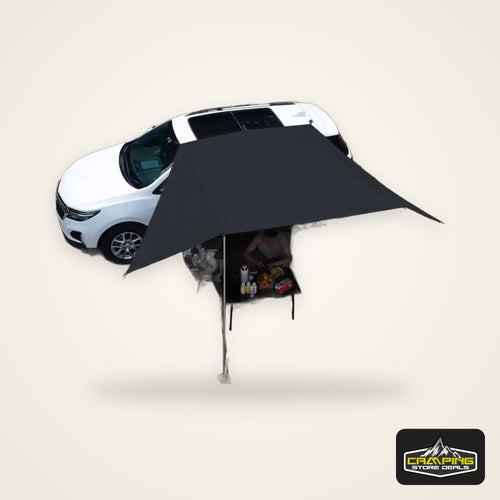
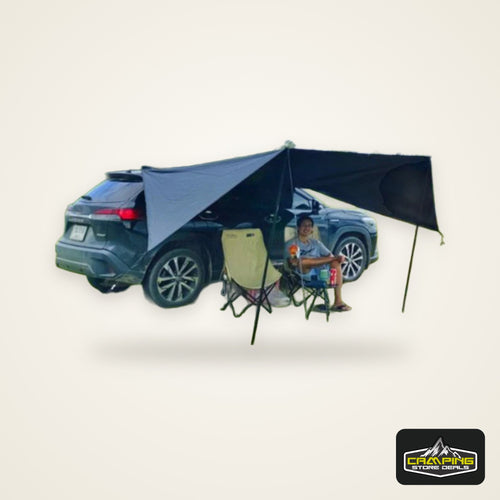
An awning attachment for shaded space at ground level near your vehicle
-
A portable power source for charging devices or running small accessories at camp
-
A sleeping bag suited to your climate, since most rooftop tents provide the mattress but not bedding
Final Thoughts
Weighing the roof top tent pros and cons really comes down to how you camp and what you value most. If fast setup, elevated comfort, and flexibility on rough terrain matter more to you than cost and group size, a rooftop tent can be a genuinely worthwhile upgrade. If budget, group size, or basecamp flexibility matter more, a traditional ground tent likely remains the more practical choice.
Ready to compare your options? Browse our full Roof-Top Tents collection alongside our ground tent selection and find the setup that matches how you actually travel.


 Tents & Shelter
 Sleep Systems
 Packs & Hiking
 Camp Kitchen
 Light & Power
 Survival & Skills
 Camping 101
 Fishing