

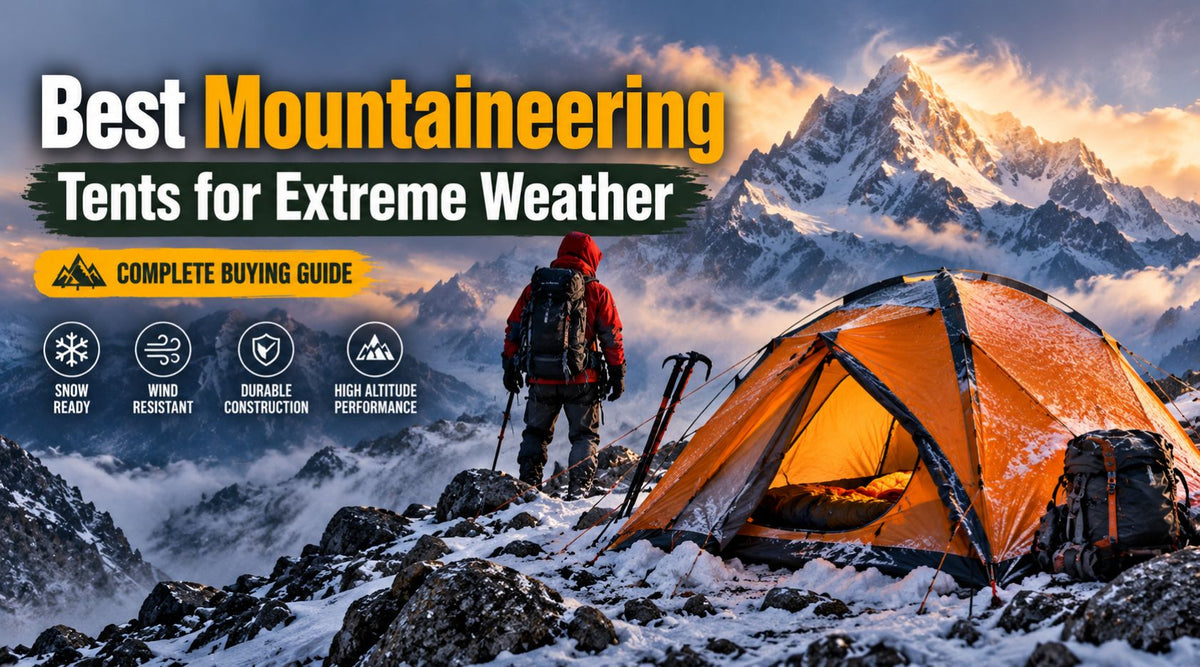
Standard backpacking tents are built for fair weather and moderate conditions. Once you head into high altitude terrain, exposed ridgelines, or winter conditions, a different category of shelter becomes necessary. This best mountaineering tent guide breaks down what actually separates a true four season shelter from a typical three season tent, so you can choose gear that holds up when conditions turn severe rather than gear that simply looks rugged.
By the end, you will understand pole strength, fabric durability, and design features that matter most in extreme weather, and you can browse our full Mountaineering Tents collection to find a shelter built for serious conditions.
What Makes a Mountaineering Tent Different
A mountaineering tent, often called a four season tent, is engineered to handle heavy snow loads, sustained high winds, and freezing temperatures that would overwhelm a standard three season design. Every part of the build, from pole configuration to fabric weight, is chosen with survival in extreme conditions as the priority, often at the cost of extra weight or a higher price compared to lighter backpacking shelters.
Understanding these differences matters because using the wrong tent in serious conditions is not just uncomfortable, it can become a genuine safety issue if poles snap or the shelter fails to shed snow properly.
Best Mountaineering Tent Guide: Key Features to Look For
Pole Structure and Strength
Four season mountaineering tents typically use more poles, often in a geodesic or semi geodesic configuration, creating multiple crossing points that distribute stress evenly across the structure. This design allows the tent to resist collapsing under heavy snow load or strong, gusting wind, unlike simpler two pole designs common in three season tents.
Fabric Weight and Durability
Higher denier fabrics, often reinforced at stress points like guy line attachments and pole sleeves, hold up better against abrasion from rock, ice, and wind driven debris. While this adds weight compared to ultralight backpacking fabrics, the tradeoff is necessary for a shelter expected to survive genuinely harsh conditions.
Steep Wall Angles
Mountaineering tents are typically designed with steeper wall angles than three season tents, which helps snow slide off rather than accumulate and add dangerous weight to the structure overnight.
Reduced Mesh Paneling
Unlike three season tents that rely heavily on mesh for ventilation, four season shelters use less mesh and more solid fabric, since excessive ventilation in freezing conditions leads to unwanted heat loss and drafts.
Vestibule Space
A generous vestibule matters more in mountaineering conditions than almost anywhere else, since it gives you a place to store snow covered boots, crampons, and gear without bringing moisture and cold directly into the sleeping area.
Snow Skirt or Snow Flap
A skirt of fabric that extends outward from the base of the tent allows you to pile snow on top of it, creating an effective seal against wind and drifting snow that would otherwise find its way underneath the tent floor.
Mountaineering Tent vs Backpacking Tent
The core difference comes down to what each shelter is built to survive. A backpacking tent, even a well made one, is generally designed for temperatures above freezing and moderate wind, prioritizing low weight and easy setup for three season trail use.
A mountaineering tent trades some of that portability for structural strength and weather resistance. The extra poles, reinforced fabric, and steeper walls all exist to keep the shelter standing through conditions that would likely damage or collapse a standard three season design. If your trips regularly involve winter camping, high altitude routes, or unpredictable alpine weather, that tradeoff is well worth the added weight.
Setting Up a Mountaineering Tent in Harsh Conditions
Pitching a tent in high wind or snow requires a different approach than a calm summer campsite. Staking out the tent immediately after unfolding it, before fully assembling the poles, helps prevent the fabric from blowing away in strong gusts. Orienting the tent's narrowest profile into the prevailing wind direction reduces surface area exposure and improves overall stability.
Once set up, packing snow around the base or using the built in snow skirt helps seal out drafts and stabilize the structure further. Practicing this setup process at home, or in milder conditions before a serious trip, makes a significant difference when you actually need to pitch quickly in deteriorating weather.
Choosing the Right Mountaineering Tent for Your Trip
Single or two person tents are the most common choice for solo mountaineers or small climbing teams, balancing weight against the structural strength needed for serious conditions.
Basecamp style four season tents offer more interior space for teams staging longer expeditions, often sacrificing some portability for greater comfort during extended stays at a fixed camp.
Lightweight four season tents attempt to balance genuine cold weather capability with a lower pack weight, which can work well for climbers prioritizing speed, though usually with some compromise in overall wind resistance compared to heavier expedition tents.
Common Mistakes When Buying a Mountaineering Tent
Assuming a three season tent will work in winter conditions. Even a high quality three season tent lacks the pole strength and wall design needed to handle sustained snow load or severe wind.
Overlooking pole material quality. Not all aluminum poles are equal. Look for higher grade alloys specifically rated for four season use, since pole failure in extreme conditions can be genuinely dangerous.
Ignoring practice setup. The first time you pitch a mountaineering tent should never be during an actual storm. Practice in controlled conditions so the process becomes familiar.
Choosing based on weight alone. Ultralight four season tents exist, but shaving weight often means compromising on structural strength, which matters more than pack weight when real safety is on the line.
What to Pair With a Mountaineering Tent
A four season shelter performs best alongside the right supporting gear:
-
A cold weather rated sleeping bag suited to expected overnight temperatures
-
An insulated sleeping pad with a high R-value to prevent heat loss to the ground
-
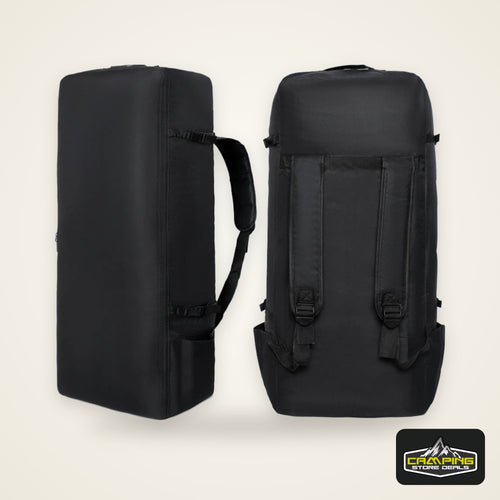
A properly sized mountaineering backpack capable of carrying technical gear alongside camping equipment
-
Trekking poles for stability on icy or uneven approach routes
If you are still deciding between a full tent and a minimal shelter for fast, technical objectives, our guide comparing a bivy sack vs tent walks through when each option makes more sense.
Best Mountaineering Tent Guide: Quick Checklist
-
Geodesic or semi geodesic pole structure for wind and snow load resistance
-
High denier, reinforced fabric at stress points
-
Steep wall angles to shed snow
-
Minimal mesh paneling for warmth retention
-
Generous vestibule for gear storage
-
Snow skirt or snow flap for sealing out drafts
Final Thoughts
This best mountaineering tent guide comes down to prioritizing structural strength and weather resistance over weight and ventilation, which matters most once you are heading into genuinely harsh alpine or winter conditions. Look closely at pole configuration, fabric durability, and wall design rather than relying on marketing claims alone, and practice your setup before you actually need it in the field.
Ready to gear up for serious conditions? Browse our full Mountaineering Tents collection and find a shelter built to handle whatever the mountain brings.


 Tents & Shelter
 Sleep Systems
 Packs & Hiking
 Camp Kitchen
 Light & Power
 Survival & Skills
 Camping 101
 Fishing