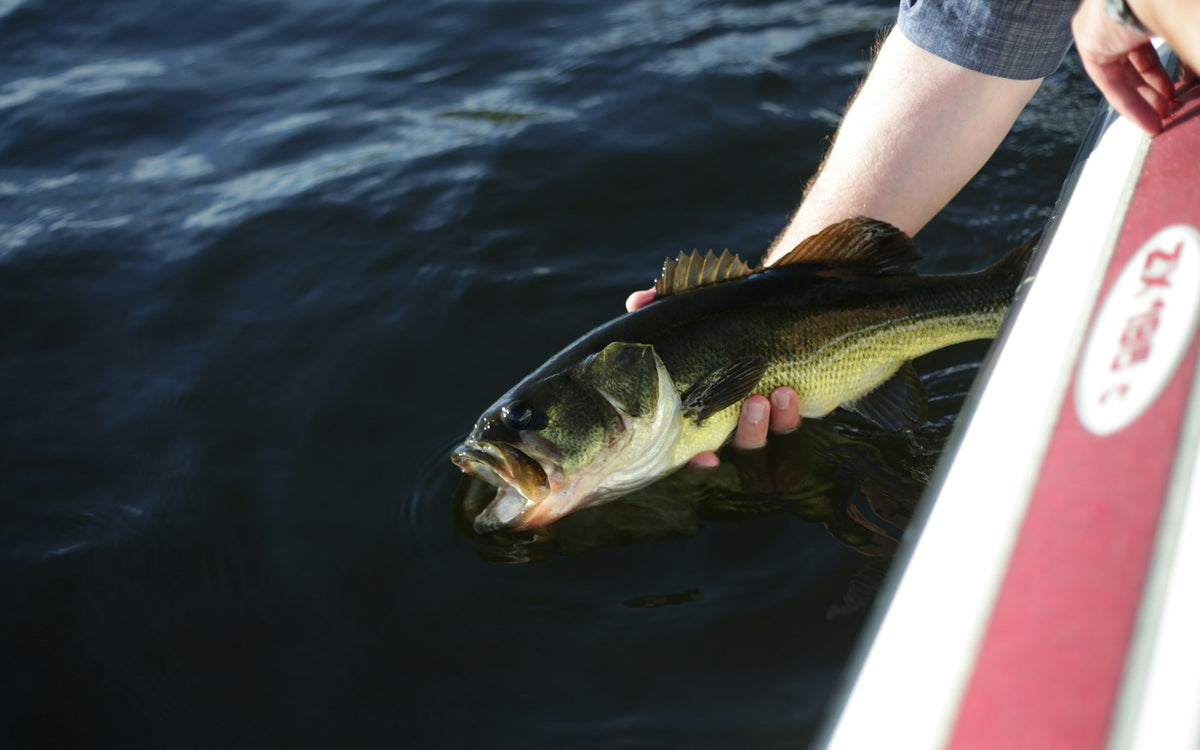
Largemouth and smallmouth bass hit hard, jump, and live almost everywhere. Here is everything a beginner needs to start catching them.
The setup
- Rod: 7 foot medium or medium-heavy spinning or casting rod with a fast action.
- Reel: 2500 size spinning reel, or a 7:1 baitcaster once you are comfortable. Smart digital-brake baitcasters make learning much easier.
- Line: 10 to 15 lb fluorocarbon, or 30 lb braid with a fluoro leader.
Short on time? A matched rod and reel combo takes the guesswork out.
Five lures to start with
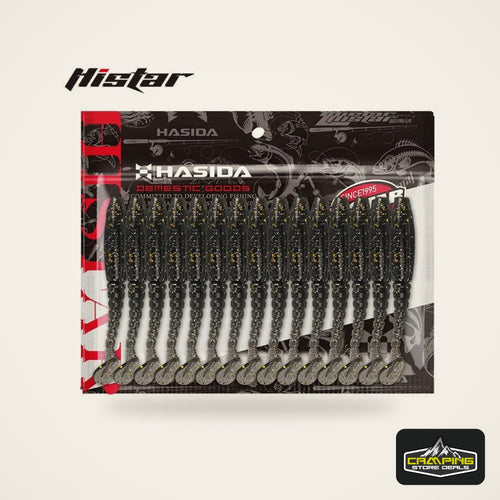
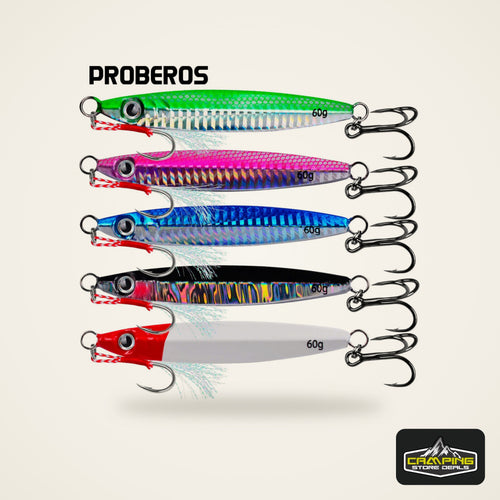
- Soft plastic worm (Texas rig or wacky rig): the most reliable bass bait ever made.
- Crankbait: cover water fast and bump it off rocks and wood.
- Spinnerbait: great in wind and stained water.
- Topwater walker: unbeatable at dawn and dusk in warm months.
- Jig: big bass love it around cover.
Find them all in bass fishing gear and lures and baits.
Where bass hide
Bass relate to cover and structure: docks, fallen trees, weed edges, rocky points and drop-offs. Fish the shady side on bright days.
Seasonal game plan
- Spring: bass move shallow to spawn. Soft plastics near flats.
- Summer: topwater early, then deeper structure midday.
- Fall: bass chase baitfish. Crankbaits and spinnerbaits.
- Winter: slow down with jigs and suspending jerkbaits.
Beginner tips
- Set the hook with a firm sweep when your line twitches or moves sideways.
- Change lure color with water clarity. Try our lure color picker.
- Use sonar to find drop-offs and bait on new lakes.
Reading bass cover
Bass are ambush predators, so they relate to anything that lets them hide and strike: fallen trees, docks, weed edges, lily pads, rock piles and drop-offs. The best spots combine two features, like a weed line next to deeper water, or a dock that throws shade over a gravel bank.
Work cover methodically. Make your first cast to the outside edge so you do not spook fish deeper in, then pick apart the interior. Pitch soft plastics into holes in the weeds and skip them under docks. If a bass blows up on a lure and misses, follow up immediately with a slower bait like a weightless worm.
Electronics for bass
You do not need a bass boat full of screens to catch fish, but a basic fish finder shortens the learning curve. It shows depth, bottom hardness and submerged structure such as brush piles and creek channels, the places bass stack up in summer and winter. Learn how to read the display in our fish finder guide, and if you fish from shore or a kayak, a castable sonar gives you the same picture from your phone.
Setting the hook and landing bass
The most common beginner mistake is swinging too early or too softly. With soft plastics, when you feel a tap or see your line jump, reel up slack until you feel weight, then set the hook with a firm upward sweep. With treble-hook lures like crankbaits, keep reeling steadily and let the rod load; a hard jerk often pulls the hooks free.
Keep your rod tip up, let the drag do its job, and lip-grip the bass by its lower jaw once it is beside you. Support larger fish horizontally under the belly for photos and release them quickly.
Get more fishing tips like this. Join the free Fishing Club for fishing news, first looks at new fishing tech and 10% off your first order.
Pro tip: go deeper with these related guides: What to Pack for a Fishing Trip, Night Fishing Guide.


 Tents & Shelter
 Sleep Systems
 Packs & Hiking
 Camp Kitchen
 Light & Power
 Survival & Skills
 Camping 101
 Fishing