Every angler has a tackle box full of colors. The trick is knowing which one to tie on first. Use these simple rules.
Rule 1: Match the water clarity
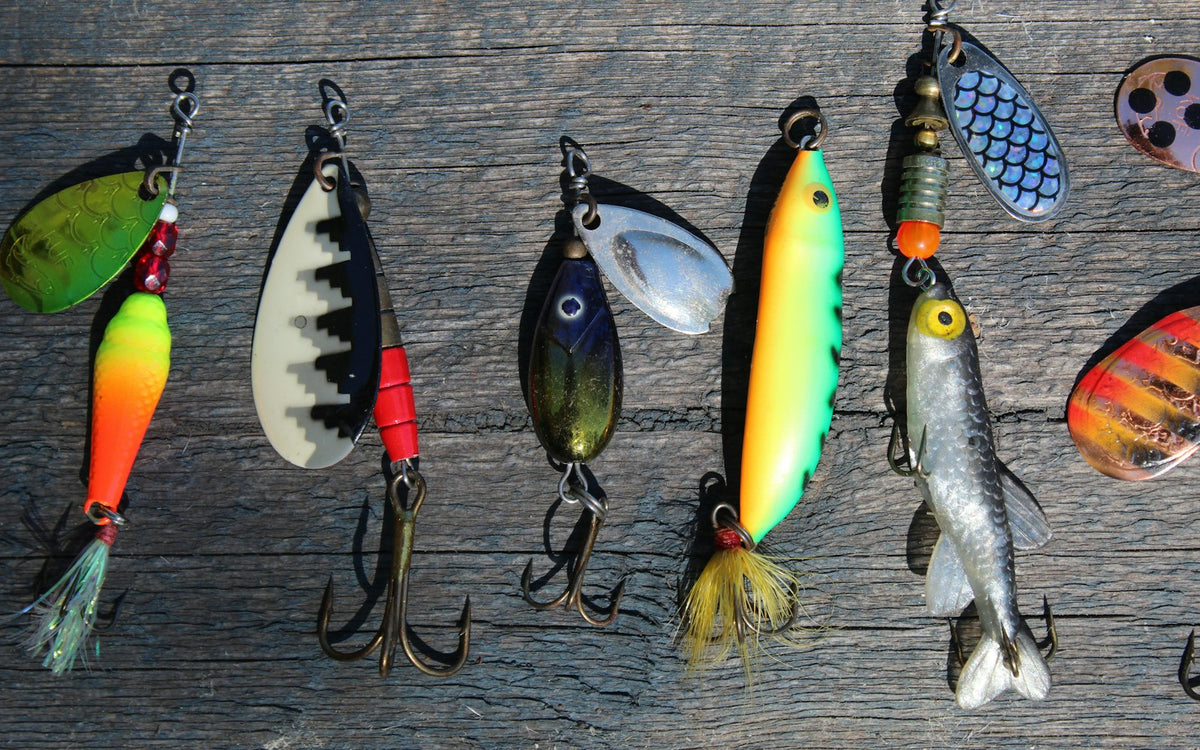
- Clear water: natural, translucent colors (ghost shad, green pumpkin, silver). Fish get a good look, so realism wins.
- Stained water: add brightness or flash (gold, chartreuse, firetiger, copper).
- Muddy water: go loud. Bright chartreuse, or solid black for maximum silhouette. Add rattles or blades for vibration.
Rule 2: Adjust for light
- Bright sun: natural colors and subtle flash.
- Overcast: brighter colors and more flash stand out.
- Dawn, dusk and night: dark colors like black and blue create the strongest silhouette against the sky. Glow colors help too.
Rule 3: Think about depth
Water absorbs color with depth. Reds and oranges fade first, while chartreuse, white and black keep their contrast deeper. If you are fishing deep, favor high-contrast colors.
Rule 4: Match the hatch
When in doubt, imitate local forage: shad and shiners (silver and white), bluegill (green and orange), crawfish (brown, green and red).
Try the color picker
Set your water clarity, light and depth in our free lure color picker and get three colors to try first. Then restock from our lures and baits.
How fish see color
Fish have color vision, and many species see colors similar to ours, plus ultraviolet in some cases. But water acts like a filter. Red is the first color to fade, disappearing within the first 10 to 20 feet in clear water, followed by orange and yellow. Blue and green travel the deepest. Murky water shortens all of those distances dramatically.
That is why a red lure that looks bright in the tackle shop appears gray or black at depth, and why contrast and silhouette often matter more than the exact shade.
A simple color system
You do not need hundreds of colors. Start with four families and you will have an answer for nearly any water:
- Natural: shad, ghost and green pumpkin for clear water and pressured fish.
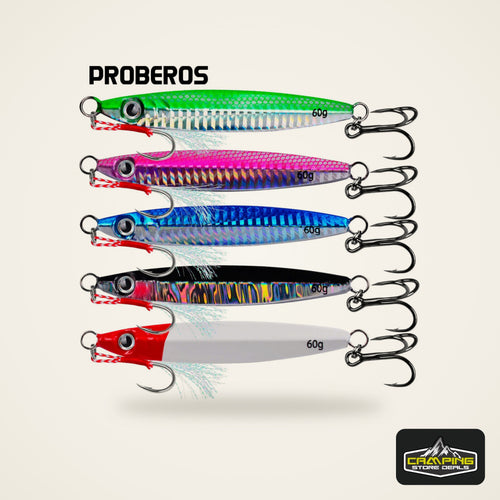
- Bright: chartreuse, firetiger and orange for stained water and active fish.
- Dark: black, black-blue and junebug for low light, night and muddy water.
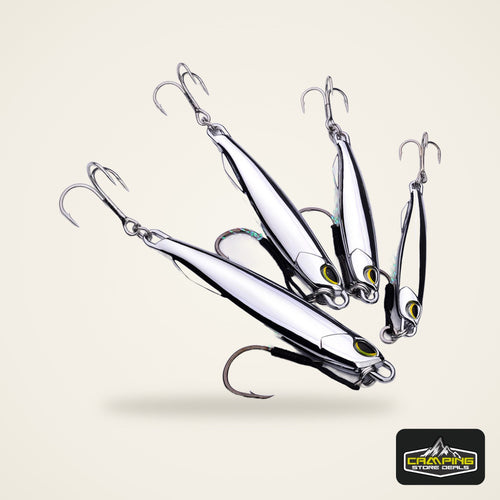
- Flash: chrome, gold and holographic finishes for sunny days and schooling baitfish.
When fishing with a partner, start with different colors and switch once one of you gets bit.
When to change colors
If you are confident fish are present, because you see them on your fish finder or spot them chasing bait, but they are not committing, change color before changing location. Go more natural when fish follow but turn away, and go brighter or darker when they seem to ignore the lure entirely. Changing light during the day matters too: as clouds roll in or the sun drops, switch to darker or more contrasting colors.
Keep notes on what works on your home waters. Over a season you will build a color guide no chart can match. Browse our lure collection to fill out your color system.
Get more fishing tips like this. Join the free Fishing Club for fishing news, first looks at new fishing tech and 10% off your first order.


 Tents & Shelter
 Sleep Systems
 Packs & Hiking
 Camp Kitchen
 Light & Power
 Survival & Skills
 Camping 101
 Fishing