Saltwater fishing from shore is one of the most accessible ways to catch big, hard-fighting fish. Here is how to get started.
Gear basics
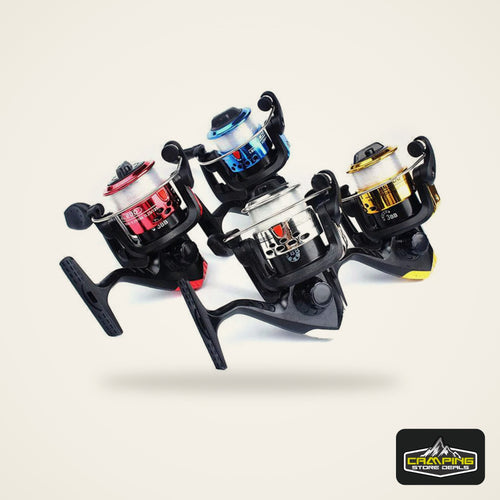
- Pier rod: 7 to 8 foot medium-heavy rod with a 3000 to 5000 sealed spinning reel.
- Surf rod: 9 to 12 foot rod with a 5000 to 8000 reel for long casts past the breakers.
- Line: 20 to 30 lb braid with a fluorocarbon or shock leader.
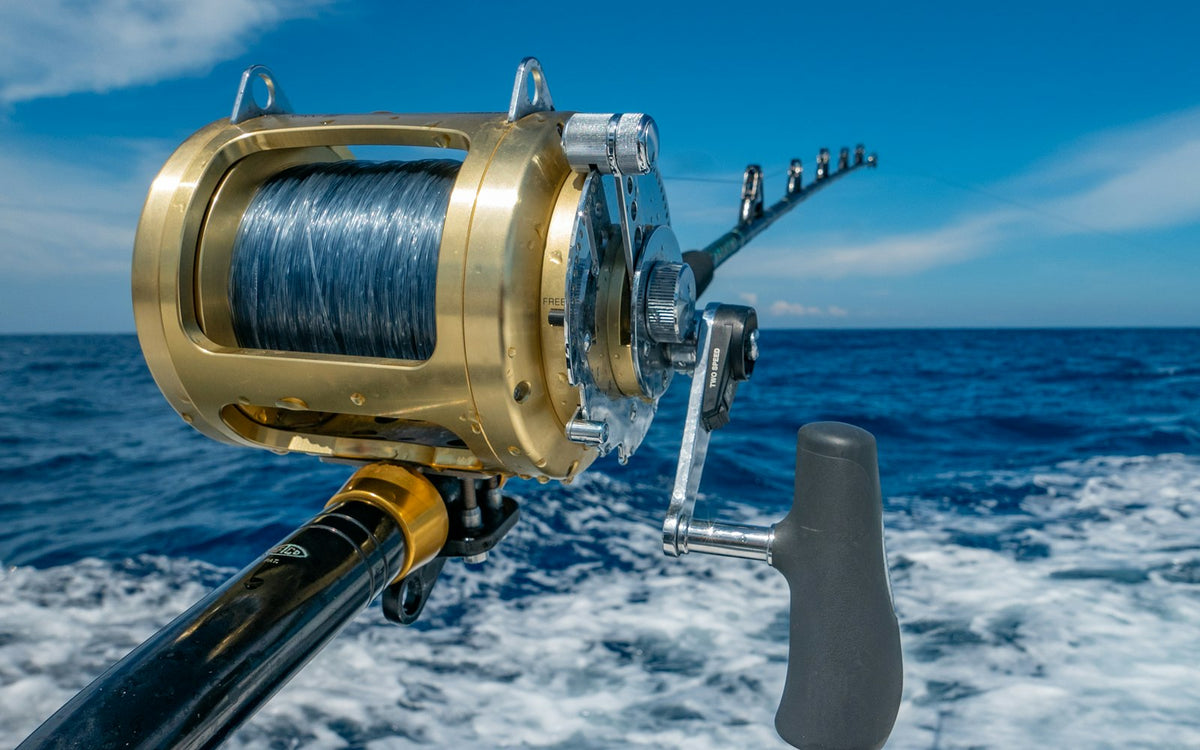
Saltwater is hard on gear, so choose corrosion-resistant reels and rinse everything with fresh water after each trip. Browse saltwater fishing gear.
Rigs and lures
- Bottom rigs with fresh bait for whiting, pompano, croaker and more.
- Metal jigs and spoons to cast far and cover water.
- Soft paddletails on jigheads for inshore species.
- Squid jigs at night under pier lights.
Read the beach
Look for troughs between sandbars, rip currents, and points where waves break differently. Fish use these to ambush bait.
Timing
Moving water is key. The hours around a tide change, especially the first part of an incoming tide, are often best. Combine that with dawn, dusk or a solunar major period from our bite forecast.
Night pier tip
An underwater LED light draws baitfish in, and predators follow. Always check local rules for licenses, size limits and pier regulations.
Reading tides and currents
Tide is the single biggest factor in saltwater fishing from shore. Moving water stirs up food and pushes baitfish around, and predators follow. Most anglers find the last two hours of the incoming tide and the first hour of the outgoing tide the most productive window. Slack tide, when water stops moving, is often slow.
Check a tide chart before every trip and plan to arrive early enough to set up before the best water. Strong rip currents show up as darker, calmer channels running out through the surf; fish love the edges of these, but never wade into them yourself.
Pier fishing etiquette
Piers are shared spaces, and a little courtesy goes a long way. Cast straight out rather than across other lines, and keep your gear in a tidy footprint along the rail. Watch your backcast near walkers. If you hook a big fish, call it out so neighbors can reel in and give you room. Use a drop net or pier gaff for anything you cannot safely lift, and clean up bait scraps and line before you leave. Discarded line is a serious hazard for birds and turtles.
What you will catch
- Atlantic coast: striped bass, bluefish, red drum, flounder, whiting and pompano.
- Gulf coast: speckled trout, redfish, sheepshead, Spanish mackerel and pompano.
- Pacific coast: surfperch, corbina, halibut, rockfish and leopard sharks.
Species shift with the seasons and water temperature, so ask at a local tackle shop what is biting. Our best time to fish guide explains how weather and temperature affect the bite.
Caring for saltwater gear
Salt destroys reels faster than anything else. After every trip, rinse rods and reels with a gentle spray of fresh water, back off the drag and let everything dry before storing. Hit the reel body and bail with a light reel oil once a month, and check guides for corrosion and cracks. Replace hooks that show rust. A little care keeps your saltwater gear fishing for years.
Get more fishing tips like this. Join the free Fishing Club for fishing news, first looks at new fishing tech and 10% off your first order.



 Tents & Shelter
 Sleep Systems
 Packs & Hiking
 Camp Kitchen
 Light & Power
 Survival & Skills
 Camping 101
 Fishing