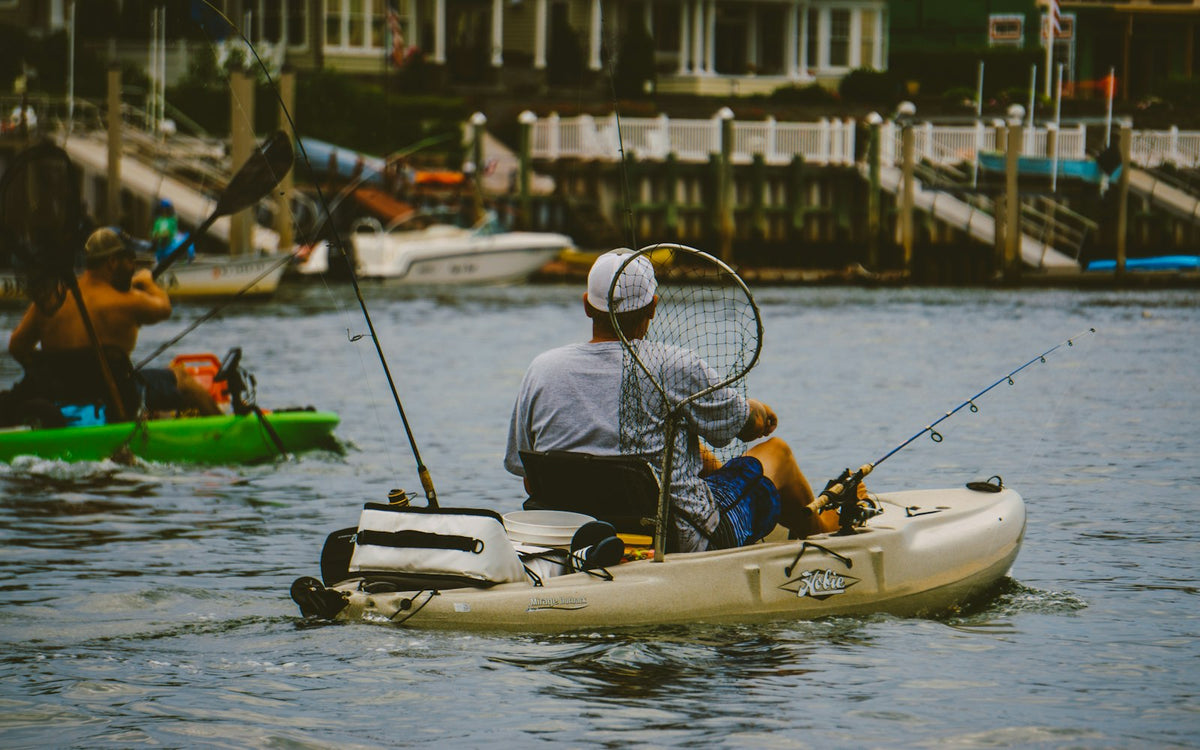
Kayak fishing is affordable, quiet and gets you into skinny water and hidden coves. A few smart upgrades turn a basic kayak into a serious fishing machine.
1. Add a fish finder
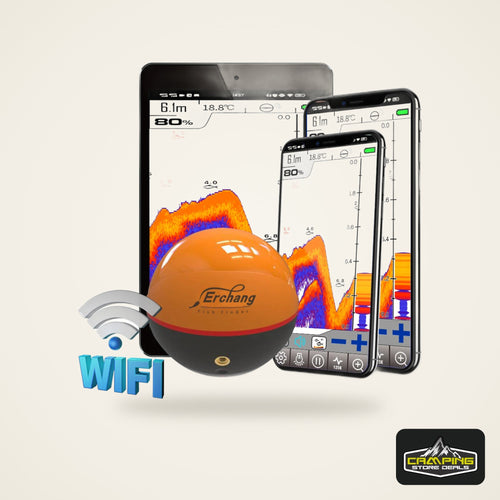
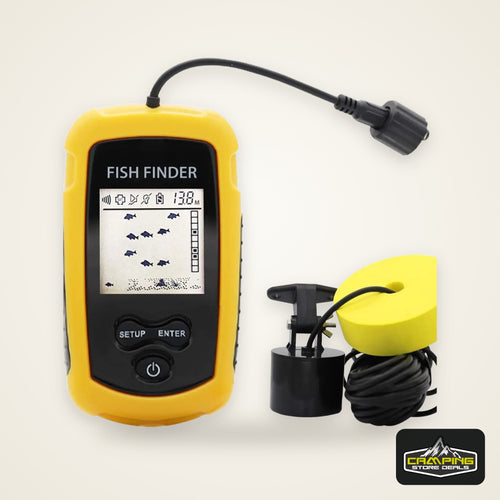
A compact portable fish finder is the best upgrade you can make. Wireless and castable units need no mounting; wired transducers can clip to the hull or a scupper mount.
2. Consider an electric trolling motor
An 18 lb thrust motor is plenty for most kayaks and canoes. You cover more water, fight wind and current, and save your energy for fighting fish. See kayak fishing gear.
3. Pick the right rods
Shorter rods (6'6" to 7') are easier to handle seated. Bring two rigged rods so you can switch presentations without retying.
4. Leash everything
Paddle leashes and rod leashes keep your gear from sinking if you tip or drop something.
5. Organize your tackle
Use small waterproof tackle boxes sorted by technique. A crate behind the seat holds boxes, pliers and a lip grip.
6. Safety first
- Always wear a PFD.
- Check wind and weather before you launch.
- Carry a whistle, light and phone in a dry bag.
Not sure what to start with? Pick "Kayak" in the Tackle Finder for a personalized setup.
Choosing a fishing kayak
Sit-on-top kayaks dominate fishing for good reason: they are stable, self-bailing and easy to climb back onto if you flip. Look for a hull at least 30 inches wide if you want to stand and sight-cast, and 10 to 13 feet long for a good balance of tracking and maneuverability. Longer, narrower boats paddle faster for big lakes and coastal water.
Paddle kayaks are light and simple. Pedal-drive kayaks free your hands for fishing and hold position in wind and current, but cost more and weigh more. Check the capacity rating so you, your gear and your catch stay well under the limit.
Anchoring and boat control
Wind is the kayak angler's biggest challenge. An anchor trolley lets you move the anchor line from bow to stern so the kayak points into the wind or current. In shallow water, a stake-out pole pushed into soft bottom holds you silently. A drift chute or sock slows you down so you can work a bank thoroughly.
Never anchor in strong current or from the side of the kayak, which can tip you. Rig a quick-release so you can drop the anchor line instantly if needed.
Launching and landing tips
Launch in calm, shallow water with the kayak parallel to shore. Straddle the seat, sit down first, then swing your legs in. Keep rods in their holders and tips pointed back while launching and landing so they do not catch in brush or surf. In the surf, time your launch between sets and paddle straight through waves.
Practice a self-rescue in warm, shallow water before your first real trip. Knowing you can climb back aboard makes every outing more relaxed.
Landing fish from a kayak
Keep a short-handled net or a lip grip within reach. Bring the fish alongside rather than straight over the bow, and keep your weight centered. For bigger fish, let them tire out before you try to land them, and use a lip grip to control them. A small measuring board and a camera mount make it easy to document catches for tournaments or bragging rights. Read our fish finder guide to find more fish in the first place.
Get more fishing tips like this. Join the free Fishing Club for fishing news, first looks at new fishing tech and 10% off your first order.


 Tents & Shelter
 Sleep Systems
 Packs & Hiking
 Camp Kitchen
 Light & Power
 Survival & Skills
 Camping 101
 Fishing